
how to fix car ac compressor not engaging usually comes down to a short list of causes: the system is protecting itself (low pressure), the clutch can’t get power (fuse/relay/wiring), the clutch can’t move (air gap or clutch failure), or the control side is blocking engagement (pressure switch, sensor, or HVAC command).
If your AC blows warm and you never hear the compressor clutch “click,” you can save time by checking things in the right order, starting with quick electrical checks and basic system conditions before chasing deeper faults.
One quick boundary up front, modern vehicles vary a lot, some use a traditional clutch, others use a variable displacement compressor or even an electric compressor on hybrids/EVs, so the exact test points differ. Still, the troubleshooting logic stays consistent.
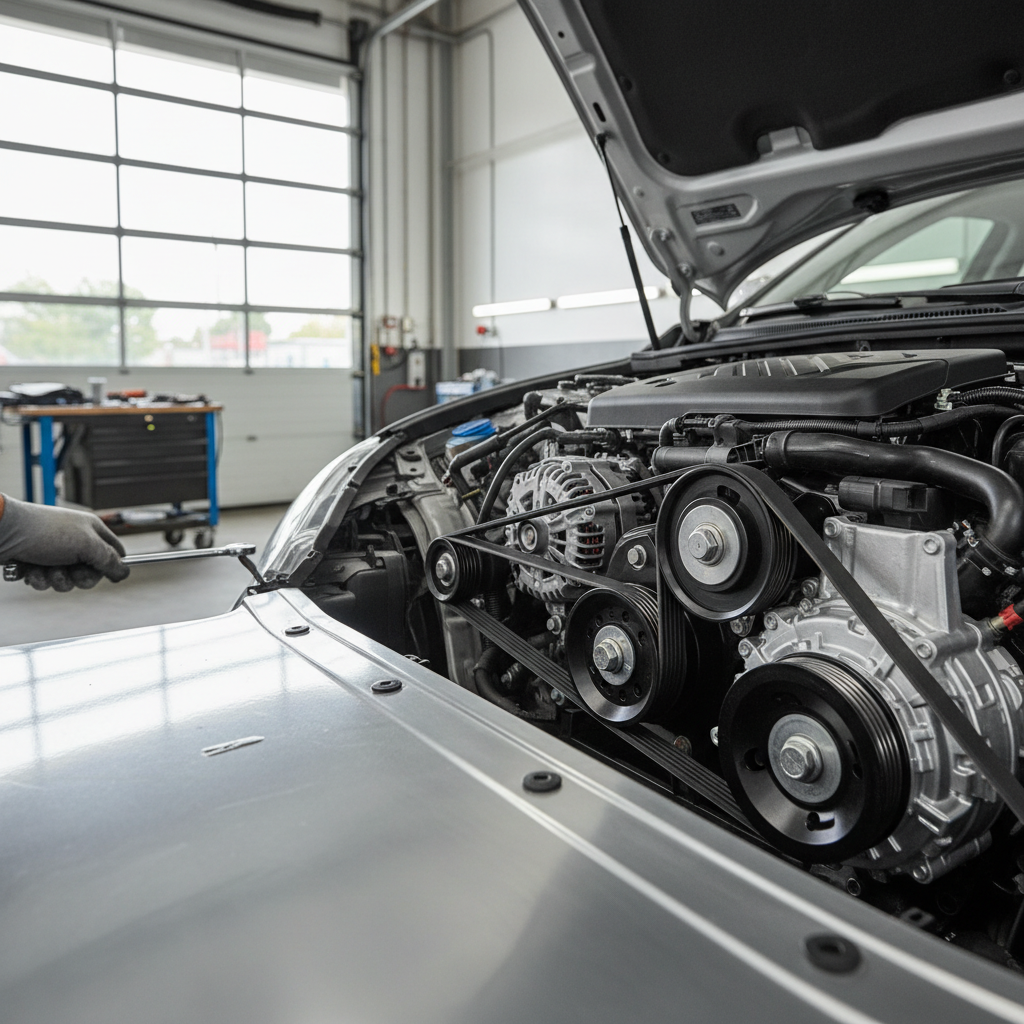
What “not engaging” really means (and why it matters)
On many gas vehicles, “not engaging” means the compressor clutch never locks the pulley to the compressor shaft, so the compressor never pumps refrigerant. You may see the pulley spinning with the belt, but the clutch face stays still.
On some newer designs, you might not have an obvious clutch click. In those cases, the question becomes, “Is the compressor being commanded on, and is it building pressure and cooling?” If you’re unsure which type you have, your owner’s manual or a repair manual for your exact model helps.
According to NHTSA, under-hood components can be hazardous due to moving parts and hot surfaces, so keep hands, clothing, and tools clear of the belt drive when the engine runs.
Common causes of an AC compressor that won’t engage
In real shops, a few causes show up again and again, and most of them are “system protection” rather than the compressor suddenly dying.
- Low refrigerant (low-pressure cutout) from a leak, the system blocks compressor operation to prevent damage.
- Blown fuse or bad relay feeding the clutch circuit, especially after electrical work or a short.
- Failed pressure switch or sensor reporting unsafe pressure, even when pressure is fine.
- Clutch coil failure (open circuit), the clutch never magnetizes.
- Excessive clutch air gap, the magnet is too weak to pull the plate in.
- Wiring/connector issues near the compressor (heat, oil, vibration), voltage drops are common.
- HVAC control not requesting AC due to ambient temp logic, engine overheat, wide-open throttle, or an ECM lockout.
- Wrong refrigerant charge or contamination after DIY service, pressures go out of range and the system refuses to run.
Quick self-check checklist (10 minutes, minimal tools)
This is the fastest way to decide whether you’re dealing with a simple power issue or a pressure/control issue. You’ll want a flashlight, and ideally a basic multimeter.
- Confirm the settings: AC on, fan on, temp to cold, recirculation on, then watch for clutch action.
- Check belt and pulley: belt intact, tension normal, compressor pulley spins smoothly without grinding noise.
- Listen for relay click: when AC is switched on, some cars click at the relay or compressor area.
- Scan for codes (if possible): many vehicles set HVAC/ECM codes that block AC operation.
- Check fuses: AC clutch, HVAC, ECM-related fuses in cabin and under-hood fuse boxes.
- Look at the compressor connector: loose plug, damaged wire insulation, oil-soaked connector.
If everything looks normal but the clutch never moves, you’re ready for targeted diagnosis.
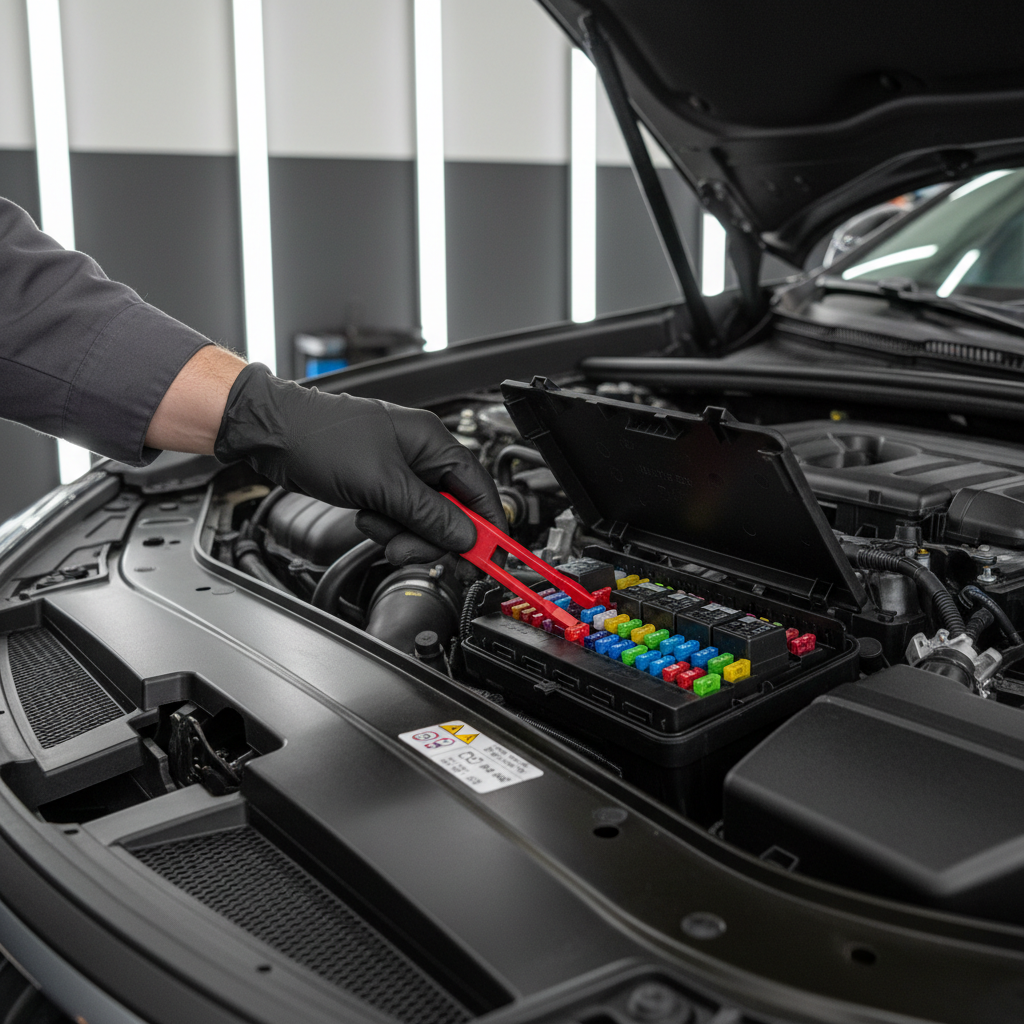
Step-by-step diagnosis (from easiest to most likely)
1) Verify power to the clutch (or compressor control)
When people ask how to fix car ac compressor not engaging, the most productive first test is simple: does the compressor receive power (or a command) when AC is requested?
- With AC on, check for battery voltage at the compressor clutch connector (typical clutch systems). If you have voltage but no engagement, the clutch coil or air gap becomes the focus.
- If you have no voltage, work backward: relay output, relay control signal, fuses, then the pressure switch/sensor input that may be blocking the command.
Tip that saves time: a relay can click and still fail under load, so swapping with a same-part-number relay in the fuse box is a reasonable quick test.
2) Check the low-pressure cutout logic (low refrigerant is common)
If refrigerant is low, the low-pressure switch (or pressure transducer logic) often prevents engagement. This is not the system being “finicky,” it’s self-preservation.
- If you have manifold gauges, compare static pressure to ambient temperature expectations.
- If you don’t have gauges, avoid guessing with repeated cans. Overcharging can create high pressure and new problems.
According to the EPA, refrigerant handling is regulated, and venting refrigerant to the atmosphere is prohibited, so for leaks or recharge work, many drivers choose an EPA-certified AC shop.
3) Inspect the clutch air gap and clutch condition
On a traditional clutch compressor, the clutch plate needs to be close enough for the electromagnet to pull it in. As components wear, the gap can grow until it never fully engages.
- Look for blueing, heavy rust, or melted surfaces on the clutch face.
- If engagement is intermittent, heat-related coil failure or marginal air gap is a usual suspect.
Some vehicles allow air gap adjustment with shims, others require clutch or compressor replacement. This is one of those model-specific areas where a service manual matters.
4) Evaluate pressure switches, sensors, and HVAC request
If the electrical side checks out but you still see “no command,” the system may be blocking engagement due to a sensor reading or operating condition.
- High engine coolant temperature: many cars cut AC during overheating.
- Ambient temperature lockout: in cooler weather, some systems won’t run the compressor.
- Faulty pressure transducer: can misreport pressure and keep the compressor off.
A scan tool that reads HVAC data PIDs makes this dramatically easier, because you can see “AC request,” “AC permitted,” and pressure readings instead of guessing.
Fixes by scenario (what you can do vs. what to delegate)
Here’s the practical part. The “right” fix depends on what your checks showed, and some repairs are safer to hand off.
| What you found | Likely cause | Reasonable next step |
|---|---|---|
| No clutch movement, blown AC fuse | Shorted coil, wiring short, or fuse fatigue | Replace fuse once, inspect harness and connector; if it blows again, stop and diagnose before repeating |
| Relay swap makes it work | Weak relay contacts | Replace relay with correct rating |
| Voltage at clutch, still no engagement | Clutch coil open, excessive air gap, seized clutch | Confirm coil resistance and air gap; likely clutch service or compressor replacement |
| Compressor blocked until refrigerant added | Low refrigerant from leak | Leak check, repair, then evacuate and recharge by spec (often a shop job) |
| Pressure sensor reading implausible | Bad sensor or wiring | Inspect connector/wiring, verify with scan data; replace sensor if confirmed |
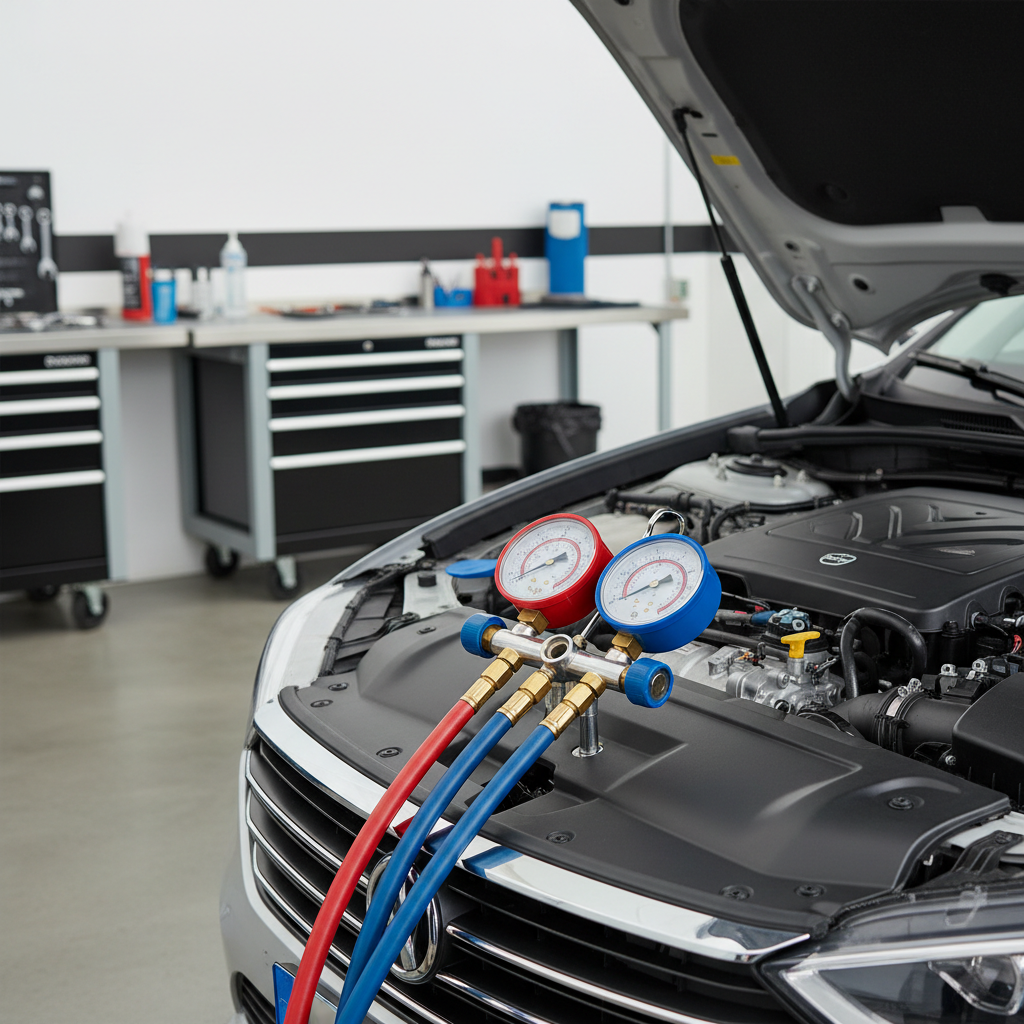
Common mistakes that waste money (or create bigger AC problems)
A lot of “compressor not engaging” stories go sideways because the next action is based on a hunch instead of a measurement.
- Adding refrigerant without confirming pressures: low charge is common, but overcharge is easier than people think, especially with small cans.
- Jumping the clutch and calling it fixed: forcing engagement can mask a low-pressure condition and risk compressor damage.
- Replacing the compressor first: if the real issue is a relay, sensor, or low charge, you spend big and still have warm air.
- Ignoring airflow issues: a dead condenser fan or blocked condenser can push pressures out of range and cause cycling or lockout.
- Not checking grounds: a small voltage drop at the clutch ground can prevent engagement under heat load.
When you’re working through how to fix car ac compressor not engaging, think “prove it” at each step: prove power, prove command, prove pressures, then replace parts.
When it’s time to get professional help
If you hit any of these, it’s usually faster and safer to involve a qualified AC technician.
- You suspect a refrigerant leak and don’t have equipment to evacuate and recharge by weight.
- The system shows signs of internal compressor failure (metal debris, severe noise), because that can require flushing and component replacement.
- Your vehicle uses an electric AC compressor (common on hybrids/EVs), where high-voltage safety procedures apply.
- You need scan-tool level diagnostics for HVAC modules and pressure transducer logic.
In many cases, a shop diagnosis fee costs less than one wrong part, and you get clarity on whether the fix is electrical, refrigerant-related, or mechanical.
Key takeaways and what to do next
If you want the shortest path, treat this as a decision tree: check fuses/relays and clutch power, then confirm whether the system is blocking engagement due to pressure or sensor inputs, and only then consider clutch or compressor replacement.
Your next action can be simple: if you have no clutch power, focus on electrical checks; if you do have power, focus on clutch condition and air gap; if the system is blocking it, focus on pressure and control inputs, ideally with gauges and a scan tool.
If you’re still stuck, write down what you observed (voltage yes/no, relay swap result, any codes, fan operation). That small note makes a mechanic’s diagnosis much quicker.
FAQ
Why is my AC compressor not engaging but the fan blows?
The cabin blower motor is separate from the compressor circuit, so the fan can run normally while the AC system blocks compressor operation due to low pressure, an electrical fault, or a sensor input.
Can low refrigerant cause the compressor not to kick on?
Yes, very often. Many systems use a low-pressure cutout to prevent the compressor from running with too little refrigerant and oil circulation, but the right move is leak diagnosis and a proper recharge, not repeated “top-offs.”
How do I know if it’s the AC relay or the compressor clutch?
If swapping the relay with an identical one makes the compressor engage, the relay is a strong suspect. If you have battery voltage at the clutch connector when AC is commanded on and it still won’t engage, the clutch coil or air gap becomes more likely.
Is it safe to jump the AC compressor clutch to test it?
It can be risky. You’re bypassing safety logic that might be preventing damage, and you’re working near moving belts. If you’re not comfortable verifying pressures and electrical load safely, it’s better to test with a meter or get professional help.
What should the AC pressure be when the compressor won’t engage?
It depends on ambient temperature and whether you’re checking static or running pressure. Static pressure roughly tracks ambient temperature, but accurate diagnosis usually needs manifold gauges and vehicle-specific specs.
My compressor engages sometimes, then stops, what does that suggest?
Intermittent engagement often points to a weak relay, a marginal clutch coil that fails when hot, an excessive clutch air gap, or pressure moving out of range due to airflow problems at the condenser.
Do I have to replace the whole compressor if the clutch is bad?
Not always. Some vehicles allow clutch service separately, but parts availability and labor can make a full compressor replacement more practical. A technician can confirm whether the compressor internals are healthy before deciding.
If you’re trying to fix this without guesswork, a basic multimeter and access to the correct wiring diagram go a long way, and if you’d rather skip the trial-and-error, an AC shop can pressure-test, check command signals, and recharge by spec so you’re not buying parts you don’t need.