
How to fix car transmission slipping on acceleration starts with one idea that saves people money: don’t keep “testing it” with harder throttle, because slipping often gets worse under load and can turn a small issue into a big repair.
If your RPM jumps but the car doesn’t pick up speed the way it should, or it feels like it “hunts” for gear during acceleration, you’re not imagining it, that’s a classic symptom. The tricky part is that several different failures can feel similar from the driver’s seat, so guessing leads to wasted parts and repeat visits.
This guide helps you narrow the cause, do a few safe checks at home, and decide what’s realistic DIY versus what usually needs a transmission shop. I’ll also call out the red-flag situations where continuing to drive is a bad bet.
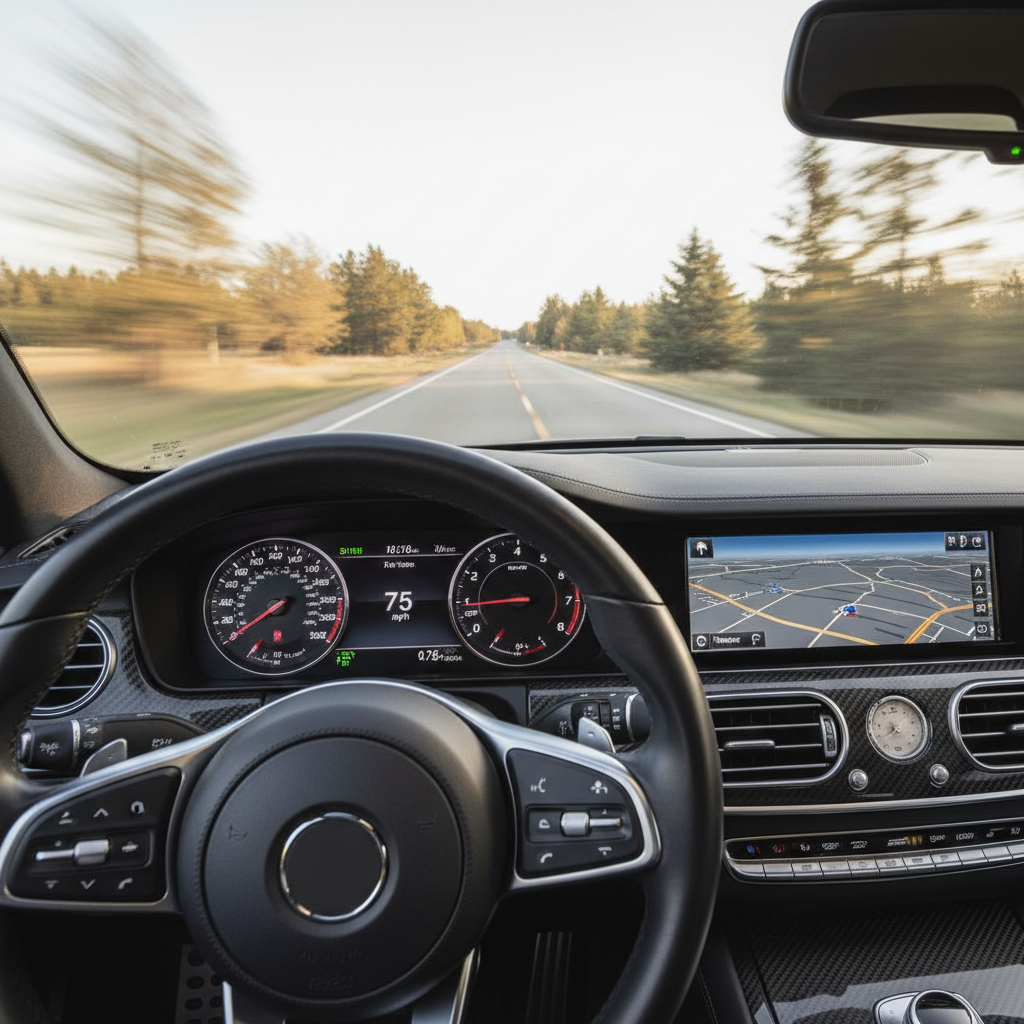
What “slipping on acceleration” actually feels like (and what it isn’t)
People describe slipping differently, but the patterns repeat. The engine revs climb, the car hesitates, then it may “catch” and move forward, sometimes with a soft thud.
Before you chase the transmission, rule out look-alikes that can mimic it:
- Engine misfire: shaking, sputtering, and a flashing check-engine light, power drops even though RPM may not surge smoothly.
- Traction control activation: wheel slip on wet/snow can feel like hesitation, usually with a traction light blinking.
- CVT behavior: some CVTs hold RPM steady while speed rises, which can feel odd but isn’t always a fault.
According to NHTSA, safety-related drivetrain issues can contribute to loss of power or unexpected behavior, so if the vehicle struggles to accelerate into traffic, treat it as a safety concern and avoid aggressive driving until diagnosed.
Most common causes of transmission slipping under acceleration
When it slips during acceleration, the transmission is usually losing effective “grip” between the engine and wheels. That can come from fluid problems, mechanical wear, or electronic control issues, and your next step depends on which bucket you’re in.
1) Low, old, or wrong transmission fluid
Low fluid often causes delayed engagement and slip because hydraulic pressure drops. Old fluid can shear down, overheat, or carry debris that interferes with valves and clutch packs. Wrong fluid type can change friction behavior enough to create shudder or slip.
2) Overheating
Heat is a quiet transmission killer. Towing, mountain driving, stop-and-go, or a failing cooler can push temps up, then slipping shows up first under load.
3) Worn clutch packs or bands (automatic), or worn clutch (manual)
In many high-mileage automatics, worn friction material means it can’t hold torque when you step on it. In manuals, a worn clutch often slips most in higher gears when you accelerate hard.
4) Solenoid, valve body, or pressure control issues
Modern transmissions rely on solenoids to route pressure. A sticking solenoid, dirty valve body, or weak pump can make the unit “command” a gear but fail to apply it firmly.
5) Software, sensors, or adaptation problems
Throttle position, speed sensors, and TCM logic influence shift timing and line pressure. A sensor lying to the computer can create real slip-like behavior. Sometimes a relearn or software update helps, but it’s not the first move.
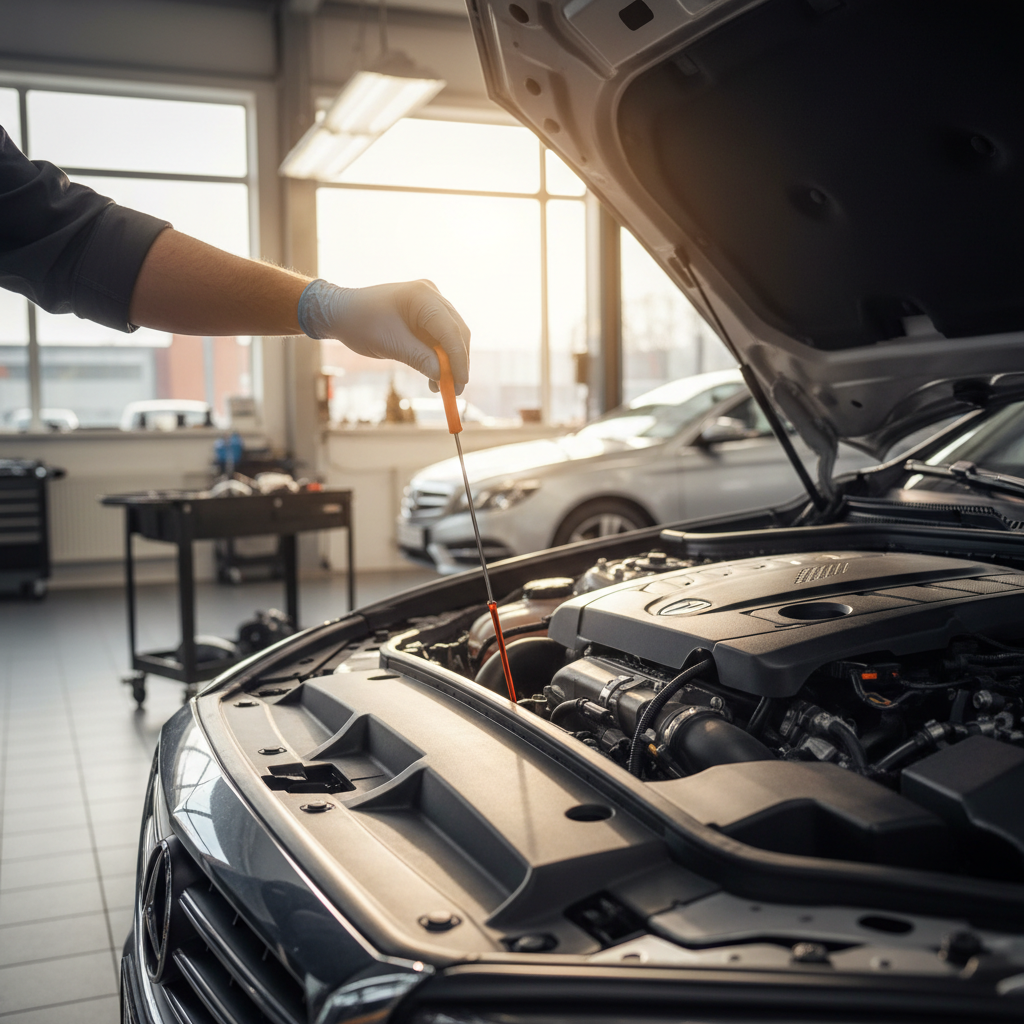
Quick self-check checklist (10 minutes, no special tools)
How to fix car transmission slipping on acceleration gets much easier when you can say “this started after X” or “it only happens when warm.” Use this list to narrow the story before you buy anything.
- When does it happen? Cold only, hot only, first 10 minutes, or all the time.
- Any warning lights? Check-engine, transmission temp, or “AT Oil Temp” indicators.
- Any fluid spots? Red/brown oily spots after parking.
- Any recent work? Fluid change, axle work, engine tune-up, battery replacement, or software updates.
- Does it slip in one gear or all? One-gear slip points more to a specific clutch/band or control issue.
- Smell check (carefully): a burned smell after driving can hint at overheating or friction wear.
If you have a dipstick-style automatic, check fluid level on level ground, following the owner’s manual procedure (engine running vs. off varies by model). If the fluid looks very dark or smells burnt, avoid heavy driving and plan a proper diagnosis soon.
Diagnosis table: symptom → likely cause → what to do next
This is not a perfect map, but it’s practical. The goal is to choose the next action that has a reasonable chance of helping, without gambling on random parts.
| What you notice | Common causes | Next step |
|---|---|---|
| RPM flares on 2-3 shift, worse when warm | Worn clutch pack, low line pressure, solenoid/valve body wear | Scan for codes, check fluid condition, shop pressure test if persistent |
| Delayed Drive/Reverse engagement, then it “thunks” | Low fluid, internal leak, worn seals | Check for leaks, verify correct fluid level, professional inspection |
| Slips only under hard acceleration or uphill | Low fluid, overheating, clutch wear | Inspect fluid, reduce load, consider cooler check, diagnosis |
| Manual: slips in higher gears, burning smell | Worn clutch disc/pressure plate, oil contamination | Clutch inspection, avoid hard pulls, plan clutch job |
| Shudder or “bucking” at light acceleration | Torque converter clutch issues, wrong fluid, adaptation issue | Scan codes, verify fluid spec, consider service per OEM guidance |
According to AAA, keeping up with fluid-related maintenance and addressing leaks early often reduces the chance of major drivetrain failures, though the exact intervals and specs vary by vehicle and driving conditions.
DIY steps that sometimes help (and when they’re worth trying)
There are a few home moves that are genuinely useful, but only if you stay disciplined about what you’re trying to prove. If you’re hoping a bottle fixes a worn clutch pack, that’s usually wishful thinking.
Step 1: Verify the correct fluid level and spec
- Use the exact fluid type listed in your owner’s manual or manufacturer service info.
- If it’s low, top off in small amounts, then recheck.
- If you find it low, don’t stop at topping off, look for seepage at cooler lines, pan gasket, axle seals, or case connectors.
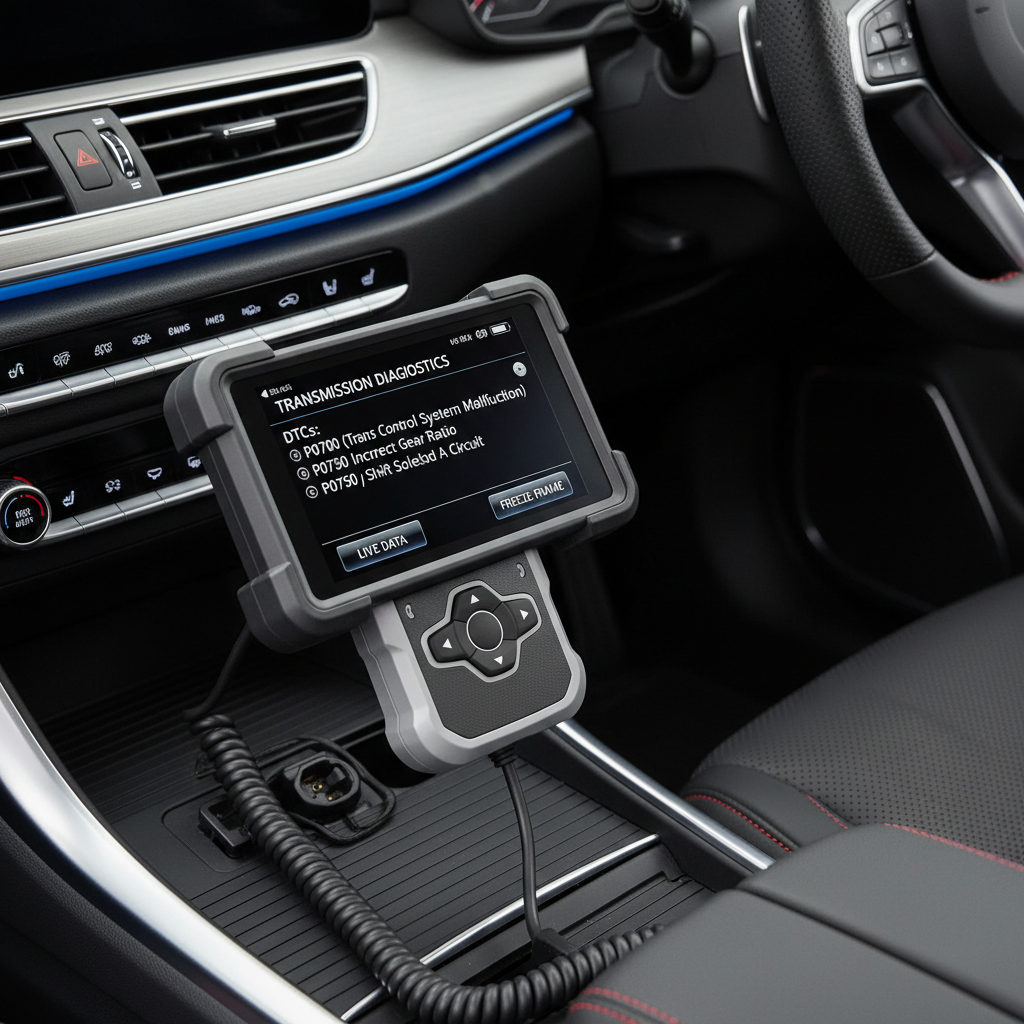
Step 2: Scan for OBD-II codes (even if the light is off)
A basic scanner can pull powertrain codes that point to shift solenoids, speed sensors, or torque converter clutch behavior. Write down exact codes, don’t rely on generic summaries.
Step 3: Consider a service, but choose the right type
- Drain-and-fill: lower risk, often preferred for high-mileage units with unknown history.
- Filter change (if serviceable): can help if flow restriction contributes to pressure issues.
- Machine flush: can be fine in some cases, but if the transmission already slips and the fluid smells burned, flushing can be a gamble. Ask a shop how they handle high-mileage units.
Step 4: Reduce heat load while you diagnose
- Avoid towing and full-throttle acceleration.
- If you’re in stop-and-go traffic, give it more space so the transmission shifts less aggressively.
- If your vehicle has a transmission temp display, watch it and back off when temps rise.
When it’s not DIY: repairs that typically require a shop
If slipping persists after fluid level/spec checks, or you have repeat flare-ups under light throttle, the fix often involves internal parts or hydraulic controls. That’s where a qualified shop earns their keep.
- Line pressure test: confirms whether the pump and pressure control system can hold spec under load.
- Solenoid and valve body work: diagnosis may include checking electrical resistance, command signals, and valve body wear.
- Torque converter replacement: common when converter clutch fails or sheds debris.
- Rebuild or replacement: likely if friction material is worn or metal debris appears in the pan.
According to ASE (National Institute for Automotive Service Excellence), using trained, certified technicians and following OEM service information improves repair quality, especially on complex electronically controlled transmissions.
Common mistakes that waste time (or make slipping worse)
- Overfilling: too much fluid can aerate, causing pressure instability that feels like slipping.
- Using “universal” fluid without verification: some vehicles tolerate it, others really don’t.
- Relying on additives as a primary fix: they may slightly change friction characteristics, but they won’t restore worn clutch material in many cases.
- Ignoring engine issues: a misfire or fuel problem can be mistaken for slip, scan data matters.
- Continuing to drive hard: if it’s true slip, heat and debris tend to accelerate damage.
Key point: if the fluid smells burned and symptoms worsen quickly, treat that as a sign you’re beyond “maintenance” and closer to “repair.”
When to stop driving and get professional help
Some slipping problems are annoying but manageable for a short distance, others are a real safety issue. Be conservative if you’re not sure.
- Car struggles to maintain speed in traffic or merges feel unsafe.
- Transmission overheats warning appears, or you smell strong burning after short drives.
- Grinding noises, harsh banging into gear, or sudden loss of drive.
- Fluid leaks that drip steadily, or you need frequent top-offs.
- Check-engine light flashing (could indicate misfire that may damage catalytic converter), get it checked soon.
If you’re towing or carrying heavy loads, it’s usually smarter to park it and arrange a tow rather than “limp it home” uphill.
Practical wrap-up and next actions
How to fix car transmission slipping on acceleration usually comes down to one of three paths: a fluid-level/spec problem you can correct, a control/hydraulic issue that needs proper testing, or internal wear that calls for repair planning. The fastest wins often happen when you document symptoms, check fluid correctly, scan codes, then choose the next step based on evidence instead of hope.
If you do only two things today, make them these: verify fluid level/spec and pull OBD-II codes. That alone often clarifies whether you’re looking at maintenance or a deeper transmission issue.
FAQ
- Why does my transmission slip only when accelerating hard?
Hard acceleration demands more torque capacity and higher hydraulic pressure. Low fluid, overheating, or worn friction components often show up under load first, even if light driving feels normal. - Can low transmission fluid cause slipping without any leak?
Sometimes the leak is slow and only shows as a damp pan or cooler line, and sometimes the level was set incorrectly during service. It’s also possible to misread the procedure if the car requires checking while hot and running. - Will a transmission fluid change fix slipping?
It can help when slipping comes from low/incorrect fluid or degraded fluid affecting pressure control, but it’s less likely to reverse mechanical wear. If the fluid is badly burned, a shop discussion is wise before any flush-style service. - Is it safe to drive with a slipping transmission?
Many cases become safety-relevant because power delivery turns unpredictable. If it hesitates badly, overheats, or loses drive, avoid driving and consider towing, especially in traffic-heavy areas. - How do I tell the difference between engine misfire and transmission slip?
Misfire often feels rough with jerking and may trigger a flashing check-engine light, while slipping more often feels like smooth RPM flare with delayed acceleration. Scanning codes and looking at live data usually settles it. - What does it mean if it slips after warming up?
Heat can thin fluid and reduce effective pressure, and worn seals/clutches often perform worse hot. A hot-only symptom is a strong reason to check for overheating and have line pressure tested. - How much does it usually cost to fix transmission slipping?
Costs vary wildly by vehicle and cause, from a fluid/top-off service to solenoid/valve body work to a rebuild. A good shop should quote after codes, fluid inspection, and at least basic pressure/road testing.
If you’re trying to avoid guesswork, a quick code scan and a fluid-spec check from a trusted local shop can save time, and if you prefer a more DIY path, bringing your codes and symptom notes to a parts counter or mobile mechanic often makes the next step much more straightforward.