
How to fix car door lock not responding usually comes down to one of four buckets: a weak key fob signal, a power problem (battery/fuse/wiring), a stuck mechanical latch, or a failing door lock actuator. The good news is you can often narrow it down in 10 minutes without special tools.
It matters because a “dead” lock is not just annoying, it can trap you outside the car, keep a door from securing properly, or hide a larger electrical issue that may pop up again at the worst time.
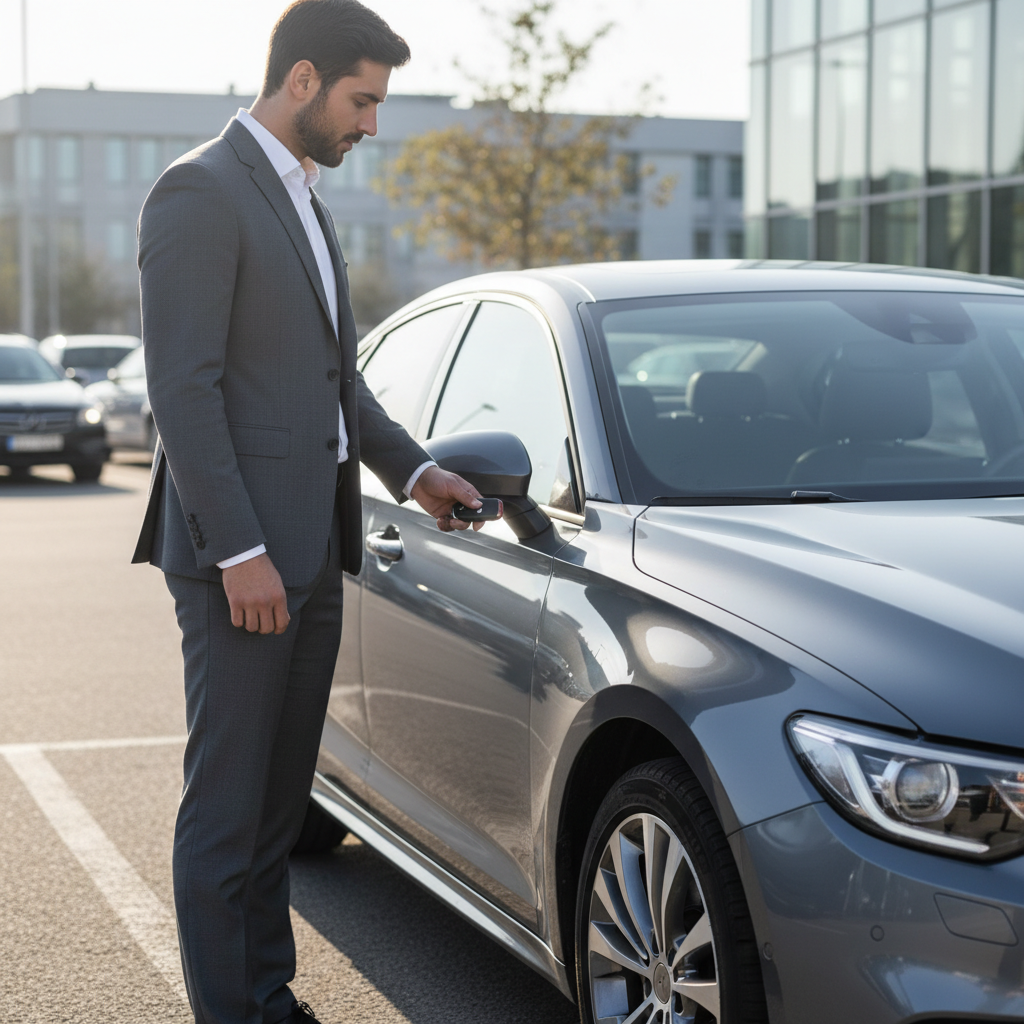
A quick note before we get hands-on: “not responding” can mean different things, no sound from the door at all, a faint click but no movement, only one door failing, or the remote not working but the interior switch does. Those details change the fix, so we’ll sort symptoms first, then move to the most likely causes.
Start by confirming what “not responding” really means
Before buying parts, isolate the control method and the scope of failure. This is where most people save money.
- Does the key fob fail, but the interior lock switch works? That points toward the fob battery, programming, or receiver signal issues.
- Does the interior switch fail too? Now you’re more likely in fuse, wiring, actuator, or latch territory.
- Is it one door only, or all doors? One door suggests actuator/latch/wiring in that door. All doors suggests fob, vehicle battery, main fuse, or body control module behavior.
- Do you hear a click/buzz inside the door? A click with no movement often means a weak actuator or binding linkage. Silence can mean no power or a dead motor.
Keep a simple record: which doors, which method (fob vs switch vs key), and what sound. You’ll use it to pick the next check.
Fast diagnosis table: symptom → likely cause → first check
If you want the shortcut, use this table to decide where to start. It’s not perfect, but it’s a solid “what to try next” map.
| What you notice | Most likely cause | First check to do |
|---|---|---|
| Key fob does nothing, interior switch works | Key fob battery or signal issue | Replace fob battery, try spare fob |
| All doors stop responding around the same time | Vehicle battery low, main fuse, or module glitch | Check battery voltage/starting behavior, check power lock fuse |
| One door won’t lock/unlock, others fine | Door actuator, latch binding, door harness wiring | Listen for actuator noise, try manual lock knob |
| Clicking sound but lock doesn’t move | Weak actuator or mechanical resistance | Try locking while pulling/pushing door handle lightly |
| Works sometimes, worse in cold/rain | Moisture/corrosion, stiff latch grease, weak battery | Inspect door jamb boot, lubricate latch, check battery health |
Quick checks you can do in 10–15 minutes (no special tools)
This is the “cheap and reversible” section. If you’re searching how to fix car door lock not responding, these are the steps that often solve it without touching the door panel.
1) Try the spare key fob and replace the fob battery
If your spare fob works, you’ve basically answered the question. Replace the coin cell battery, clean the battery contacts gently, then retest.
- Stand close to the driver door, then try again from farther away.
- Check if the fob LED (if present) lights consistently.
- If the car has push-button start, try holding the fob close to the start button to confirm the fob is still recognized.
According to NHTSA, remote keyless entry systems are a convenience feature but still depend on battery power and proper operation, so a weak coin cell is a common “sudden failure” trigger.
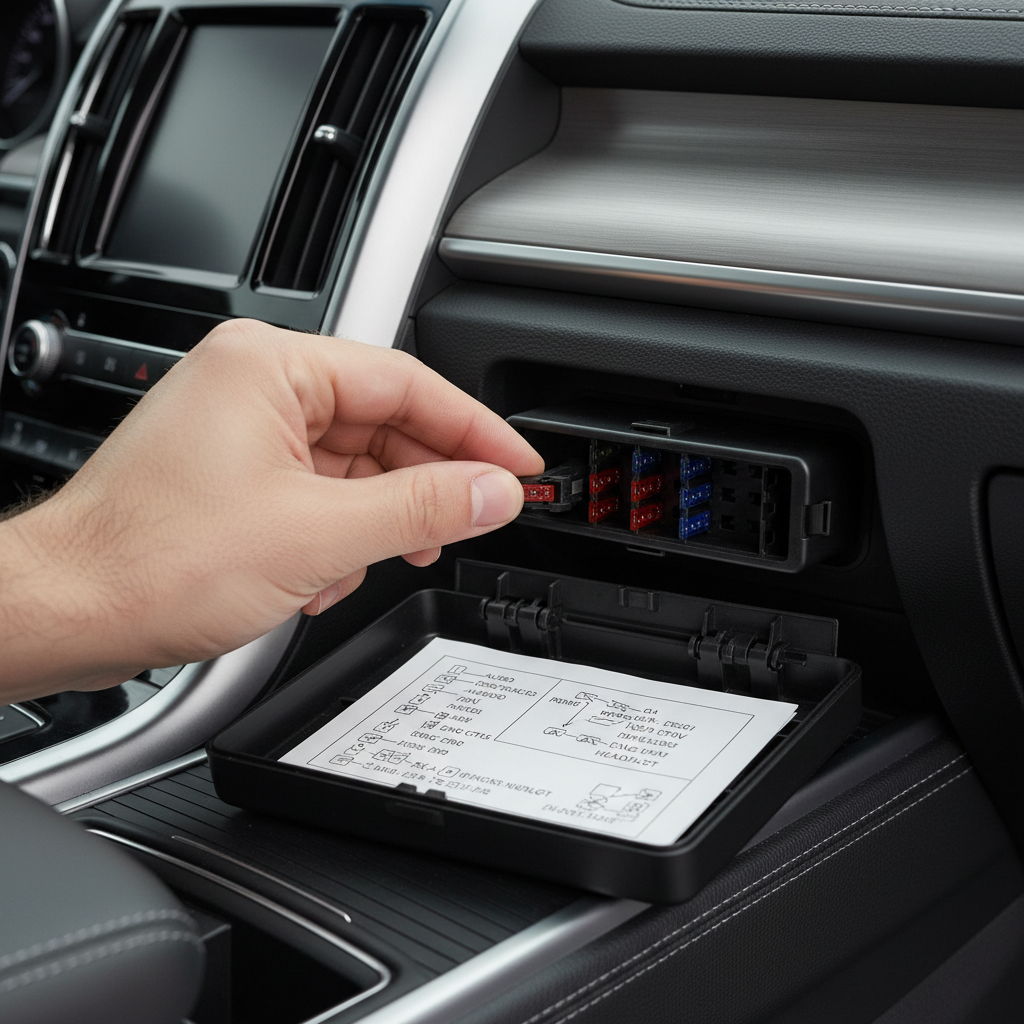
2) Check the power door lock fuse (and related fuses)
If interior switches also do nothing, a blown fuse is a reasonable suspect. Look in the owner’s manual for “Door Lock,” “Body,” “BCM,” or “PWR LOCK.”
- Pull and visually inspect the fuse, swap with a same-amperage fuse only.
- If the replacement blows again quickly, stop there, that suggests a short and you’ll want a pro to trace wiring.
3) Rule out a weak vehicle battery or voltage dip
Power locks can act weird when battery voltage sags, especially if the car has been sitting or it’s very cold. If the engine cranks slowly or lights dim noticeably, address the battery first.
According to AAA, battery-related issues are a frequent cause of no-start events, and low voltage can also make other electrical systems behave inconsistently.
4) Try the “mechanical assist” test for a binding latch
If you hear the actuator trying but the lock pin barely moves, gently pull the exterior handle (or press the door inward) while you lock/unlock. If it suddenly works, the latch or linkage may be binding rather than fully dead.
- Lubricate the door latch with a product intended for automotive latches, avoid soaking electronics.
- If the door was recently slammed or hit, misalignment can add resistance.
If it’s one door: actuator, latch, or door wiring are the usual culprits
When only one door stops responding, the odds shift toward parts inside that door. The two big ones are the door lock actuator (small motor/gear unit that moves the lock) and the latch/lock linkage (mechanical pieces that actually move).
Signs the actuator is failing
- Lock works intermittently, especially after you retry several times.
- You hear a weak click or short buzz, but no full movement.
- Unlock works but lock does not, or the reverse.
In many vehicles the actuator is integrated into the latch assembly, so replacement may mean swapping a combined unit.
Signs it’s more mechanical than electrical
- Manual lock knob feels stiff or doesn’t travel smoothly.
- Door handle feel changes, like the latch is dragging.
- Problem gets worse after rain, car wash, or freezing weather.
Step-by-step: practical fixes that match the scenario
Here’s a clean way to approach how to fix car door lock not responding without turning it into an all-day project.
Scenario A: Key fob won’t unlock, but the key works in the door
- Replace the fob battery and retest with the spare fob.
- Check for interference: move away from strong RF sources, try another location.
- If your car supports it, re-sync/relearn the fob using the owner’s manual procedure.
If neither fob works and the car otherwise behaves normally, a shop may need to check the receiver/antenna or body control module inputs.
Scenario B: Interior switch and fob both fail (multiple doors)
- Check relevant fuses first, then confirm vehicle battery health.
- Try a “soft reset” by turning the car off, waiting a minute, then restarting and retesting.
- If you recently had aftermarket accessories installed (alarm, remote start, stereo), suspect wiring taps or a loose ground.
According to SAE International, modern vehicles rely on networked control modules, so a symptom can originate from power/ground quality as much as from the switch itself.
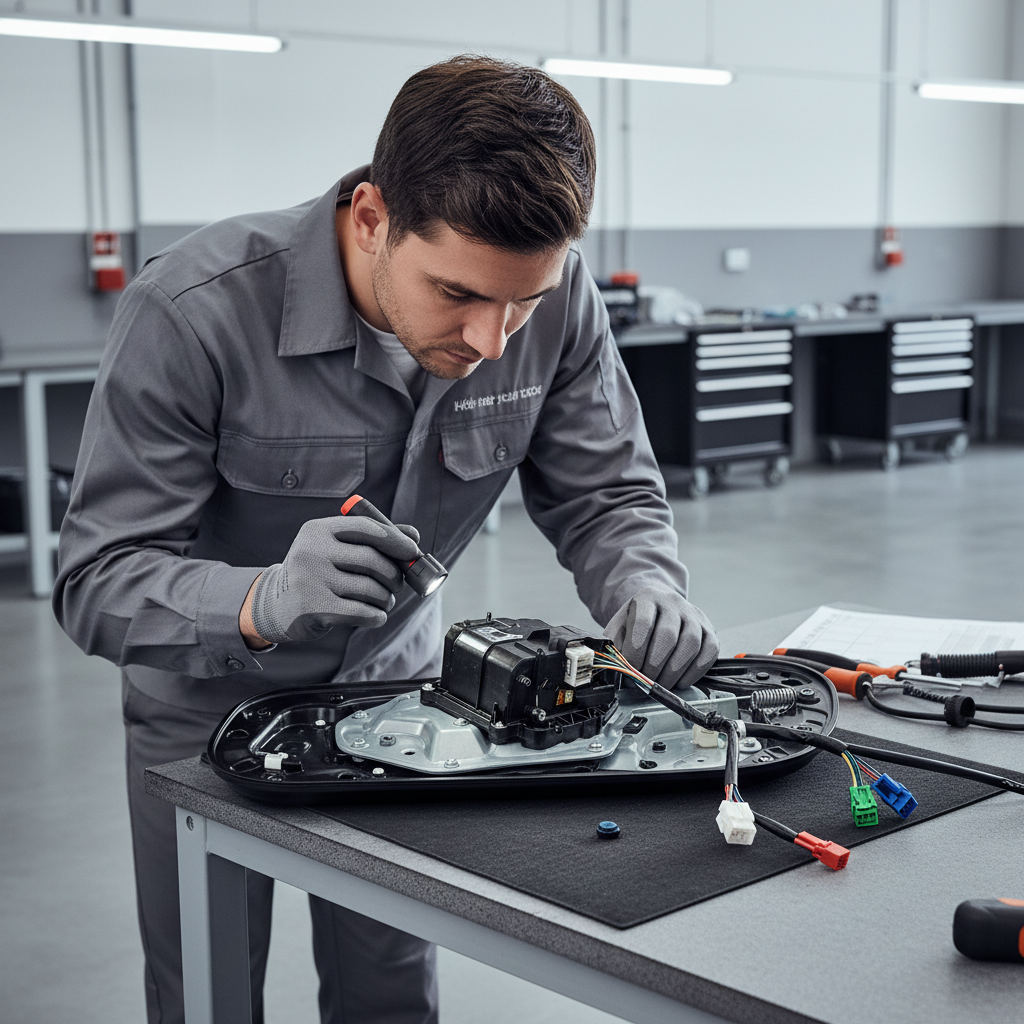
Scenario C: Only one door fails and you hear a click
- Lubricate the latch area lightly and retest.
- If the manual lock knob is stiff, don’t force it, stiffness can break plastic clips in the linkage.
- If lubrication and alignment checks don’t help, plan for actuator/latch replacement.
At this point, you’re often deciding between DIY door panel removal and paying for labor. If airbags are in the door (common on many cars), proceed cautiously and consider a professional.
Scenario D: Only one door fails and it’s totally silent
- Inspect the rubber boot in the door jamb for damaged wires, this area flexes every time the door opens.
- Check for a loose connector if you already have the door panel off.
- If power and ground are missing at the actuator, the issue is upstream and may need electrical diagnosis.
Self-check checklist before you buy parts
If you slow down and answer these, you’ll avoid the classic “I replaced the actuator and nothing changed” moment.
- Spare fob test: works / does not work
- Interior switch test: works / does not work
- Manual key in door: locks/unlocks smoothly / stiff / cannot turn
- Scope: one door / multiple doors / all doors
- Sound: silent / click / buzzing / repeated cycling
- Recent changes: battery replacement, body work, window tint, audio/alarm install, water intrusion
Common mistakes that waste time (and how to avoid them)
- Replacing the actuator because the remote failed. If the interior switch still works, start with the fob and battery checks.
- Ignoring a fuse that keeps blowing. That’s usually a short or pinched wire, swapping fuses repeatedly can create bigger problems.
- Over-lubricating into the door. Spraying everywhere can contaminate switches or connectors, aim at the latch points.
- Forcing a stuck lock knob. Linkage clips are easy to break, then you’re chasing rattles and partial movement.
When it’s time to get professional help
Some cases are just more efficient for a shop, especially if safety systems are involved. Consider a professional locksmith or repair facility if:
- The key won’t turn in the door cylinder, or the cylinder feels like it may seize.
- Fuses blow repeatedly, or you smell hot plastic near the fuse box or door.
- The car has side-impact airbags in the door and you’re not comfortable removing trim.
- You need key fob programming and your vehicle requires dealer-level access.
If you’re unsure, a quick diagnostic visit can be cheaper than guessing parts. Many shops will confirm power/ground at the actuator before recommending replacement, that’s the kind of confirmation you want.
Key takeaways (save this)
- One door only usually means actuator, latch, or door-jamb wiring.
- Fob fails but switch works points to the fob battery or signal/programming.
- Multiple doors fail raises the odds of fuse, battery voltage, or module-level issues.
- Clicks without movement often mean resistance or a weak actuator, not a totally dead system.
Conclusion: a realistic way to move forward
Most people looking up how to fix car door lock not responding don’t need a full teardown on day one, they need a quick split between “remote problem,” “power problem,” and “one-door hardware problem.” Start with the spare fob, fuses, and a simple latch resistance check, then decide if actuator replacement makes sense.
If you want one action that pays off, document the exact symptom pattern and test results before buying parts, it makes your DIY plan clearer and it also makes any shop visit faster.
FAQ
Why does my car door lock not respond to the key fob but works inside?
That pattern usually suggests a key fob battery issue, a fob that needs re-syncing, or interference affecting the signal. Try the spare fob and replace the coin cell before assuming a door actuator failure.
How do I know if it’s the door lock actuator or just a stuck latch?
If you hear a click or weak buzz but the lock pin barely moves, it can be either a weak actuator or a latch binding under load. If light lubrication and a gentle “handle assist” make it work, mechanical resistance is likely part of the story.
Can a low car battery cause power door locks to stop working?
Yes, in many vehicles low voltage can make body electronics behave inconsistently, including door lock response. If cranking sounds weak or lights dim heavily, address battery health before chasing door parts.
Where is the fuse for power door locks?
It varies by vehicle, commonly in the interior fuse panel or under-hood fuse box. Your owner’s manual usually lists it under “PWR LOCK,” “DOOR LOCK,” or body control circuits.
My door lock works sometimes, especially after I try multiple times, what does that mean?
Intermittent operation often points to a weakening actuator motor, marginal wiring in the door jamb, or a latch that’s getting stiff. The “works after retries” detail is a strong clue that something is borderline rather than fully failed.
Is it safe to keep driving if one door won’t lock?
It can be a security risk and, depending on the door and situation, may be a safety concern. If the door does not latch reliably or you suspect wiring overheating, it’s smart to limit use and have it checked soon.
Do I need to disconnect the battery before removing a door panel?
Often recommended, especially if the door contains airbags or you’ll unplug multiple connectors. Your service manual guidance matters here, and if you’re unsure, a professional tech is the safer route.
If you’re stuck between “replace the actuator” and “trace wiring,” or you want a more predictable outcome than guessing parts, a quick diagnostic at a reputable shop or mobile locksmith can be the more time-efficient option, especially when the failure is intermittent.