
Best car seat covers for winter waterproof options tend to fall into two camps: rugged “wet gear” protection for snow, slush, and salt, and comfort-first covers that add warmth without turning your seat into a sweaty mess. If you’re commuting in a parka, hauling kids after ski lessons, or dealing with muddy boots, the right cover makes winter feel a lot less punishing.
Winter is rough on upholstery in a way summer usually isn’t. It’s not just water, it’s melted snow mixed with road salt, and that combo can leave stains, odors, and crusty residue that’s annoying to remove. And if you run heated seats, a thick cover can also block heat or create hot spots.
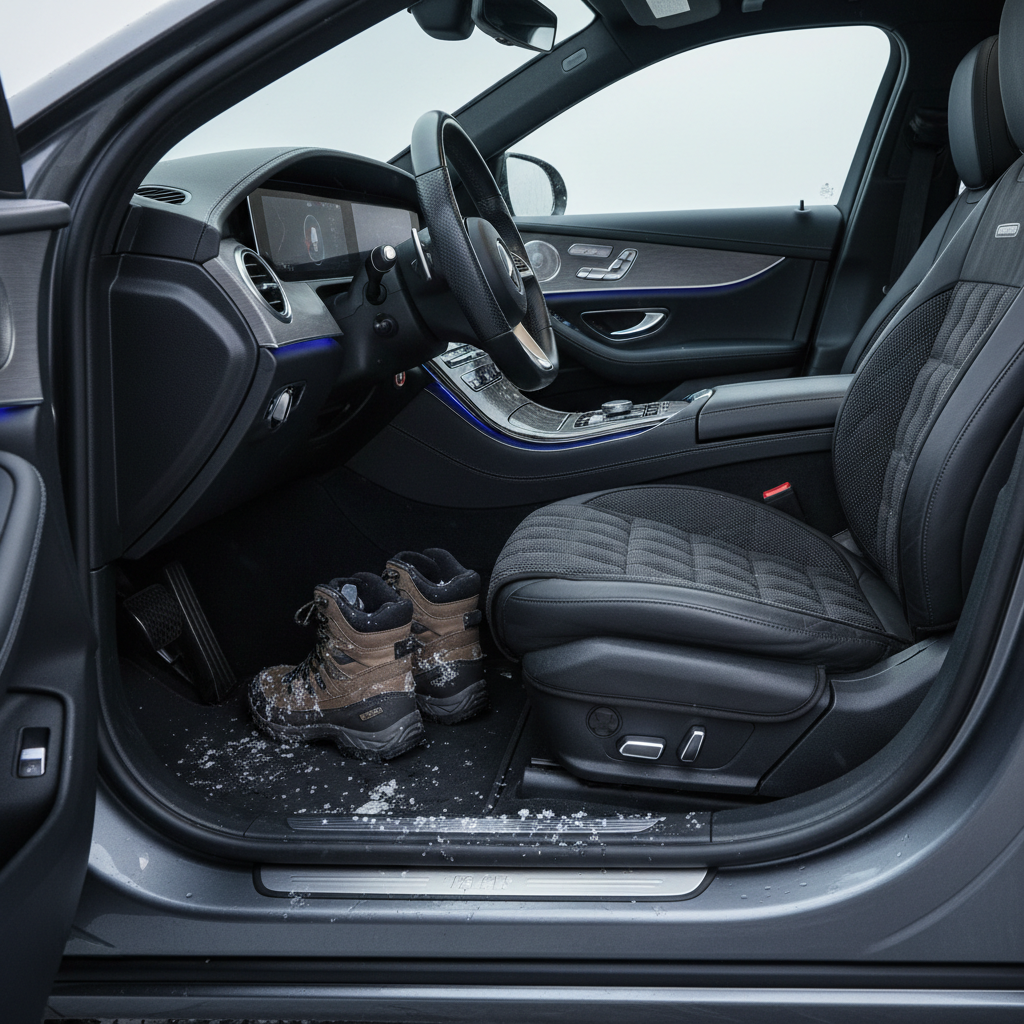
This guide breaks down what “waterproof” really means, which materials stay warm, how to pick a cover that fits your car, and what to avoid if your seats have airbags or seat heaters. I’ll also share a quick comparison table so you can narrow choices fast.
What “waterproof” means in winter (and what it doesn’t)
In product listings, “waterproof” can mean anything from a truly sealed barrier to a fabric that resists light moisture for 10 minutes. In winter, that difference matters because melted snow can pool and soak.
- Water-resistant: Usually a DWR-coated fabric that beads water, but can soak through at seams or under pressure.
- Waterproof barrier: Often neoprene, PVC-backed polyester, or a multi-layer cover with a membrane. Better for slush and wet jackets.
- Seam leakage: Even if the face fabric is waterproof, stitched seams can leak unless taped or designed to shed water.
If your main issue is wet outerwear and quick errands, water-resistant might be enough. If you regularly sit down with snow on your pants or toss wet gear onto the seat, aim for a real barrier layer.
Quick comparison: winter seat cover types
Most “best car seat covers for winter waterproof” picks land in these categories. Use this table to match your situation before you shop.
| Cover type | Warmth feel | Water protection | Best for | Watch-outs |
|---|---|---|---|---|
| Neoprene-style | Moderate, insulating | High | Snowy commutes, wet coats, kids | Can feel warm in heated cabins, fit matters |
| Canvas / Cordura-style with backing | Neutral to slightly warm | Medium to high | Work trucks, pets, heavy wear | Stiffer, can bunch if not secured |
| Fleece or sherpa-top with barrier | High, cozy | Medium (depends on backing) | Cold climates, comfort-first drivers | Can trap moisture if barrier is weak |
| PU leather / “leatherette” | Cool at first, warms up | Medium | Easy wipe-down, city winter | Can get slick, seams may leak |
| Universal towel-style (surf/utility) | Low to moderate | Medium | Quick on/off for wet clothing | Coverage gaps, less secure fit |
What to look for: materials, fit, and winter comfort
When people feel disappointed after buying a “waterproof winter cover,” it’s usually because of one of three things: the material wasn’t a true barrier, the fit left gaps, or the cover blocked seat features.
Materials that work well in cold weather
- Neoprene: A solid winter-friendly option because it insulates and handles moisture. It can feel slightly “rubbery,” but it’s practical.
- Polyester with waterproof backing: Good balance of durability and cost, especially if the backing is continuous, not patchy.
- Fleece/sherpa top + waterproof layer: Feels warm fast, but check that the backing is actually sealed and that it won’t stay damp.
Fit features that matter more in winter
- Full seat coverage including side bolsters, where wet clothes often touch first.
- Non-slip backing so the cover doesn’t slide when you get in with bulky layers.
- Straps and anchors that stay tight even when the cabin warms and materials soften.
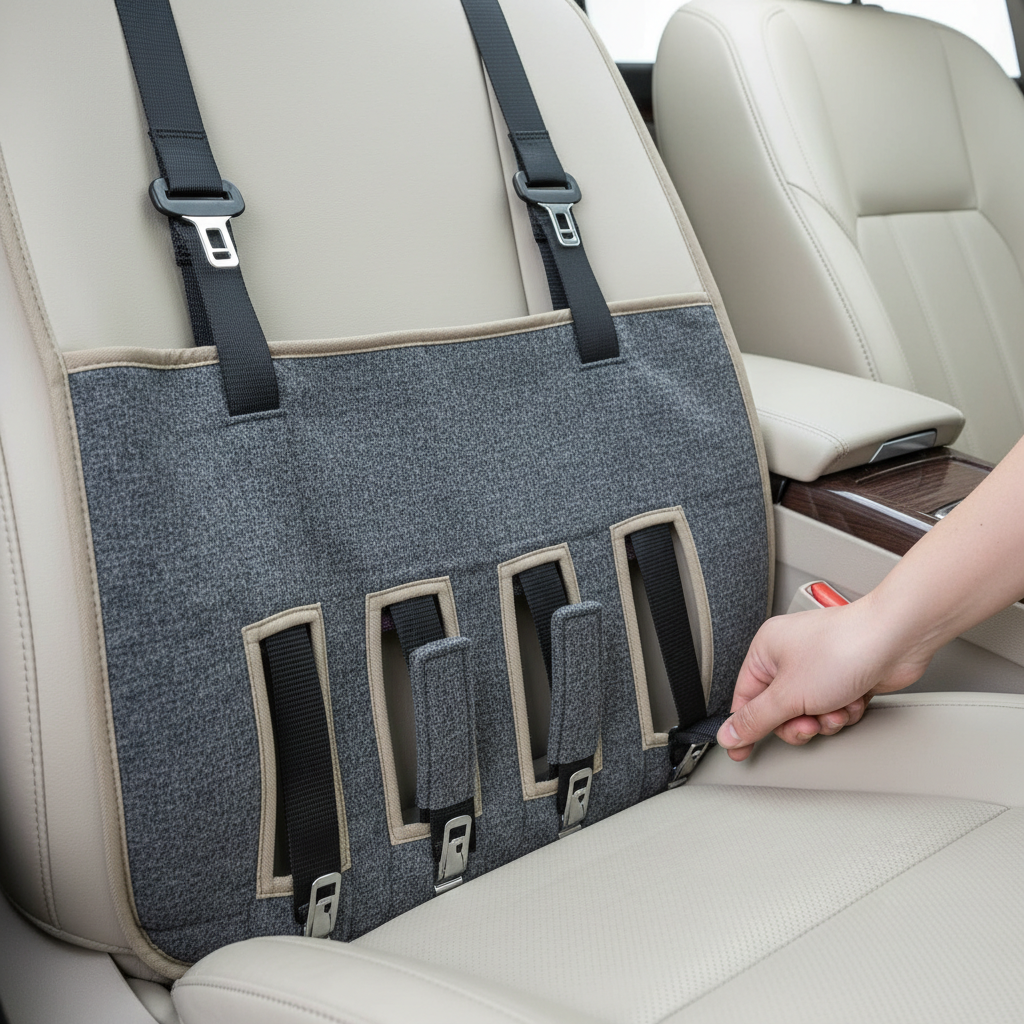
Key point: A “perfect material” with a sloppy fit still lets slush reach fabric seats around the edges. Winter mess finds the gaps.
Self-check: which winter scenario are you buying for?
Before you pick a style, get clear about your main source of moisture and grime. This avoids overbuying a bulky cover when a simpler option would do.
- Daily snowy commute: Wet pants, melting snow, road salt dust. Prioritize barrier + easy wipe.
- Kids + carpool: Snack spills plus wet jackets. Prioritize waterproofing and stain resistance, plus coverage.
- Dogs in winter: Wet fur and paw grime. Consider heavy-duty fabric and a back-seat hammock if applicable.
- Ski/snowboard weekends: Frequent soak-through risk. Neoprene or backed canvas is usually safer than “plush-only.”
- City winter, light moisture: PU leather or towel-style can be enough if you mainly need quick wipe-down.
If you checked more than one box, buy for the worst day you actually have, not the average day you wish you had.
Safety and compatibility: airbags, heated seats, and child seats
This part isn’t optional. The wrong cover can interfere with safety systems, and winter is when we’re more bundled up and less patient, which increases the odds of “close enough” installs.
- Side airbags: Many front seats have airbags in the seat back or bolster. Look for covers labeled airbag compatible with appropriate tear seams. If your manual warns against covers, follow that guidance.
- Heated/ventilated seats: Thick waterproof layers can reduce heat transfer, and some covers can trap heat. If you rely on heaters, consider thinner waterproof materials or designs explicitly compatible.
- Child car seats: Most child seats must be installed directly on the vehicle seat for secure tightening. A cover underneath can change friction and belt routing. According to the National Highway Traffic Safety Administration (NHTSA), correct child seat installation is critical; if you’re unsure, it’s smart to consult a certified child passenger safety technician.
If you want protection under a child seat, look for a manufacturer-approved protector that’s designed for that use, and keep an eye on any “no add-ons” language in your child seat manual.
How to choose and install (so it stays waterproof)
Shopping is the easy part. Keeping the cover in place through a real winter is where most people get annoyed.
Buying checklist (fast but practical)
- Confirm your seat type: bucket vs bench, removable headrests, split rear seats.
- Measure the backrest height if you drive a truck/SUV with taller seats.
- Check for seat-mounted airbags and match compatibility.
- Prefer covers with edge coverage and a continuous waterproof layer.
- If salt is a big issue, prioritize wipe-clean surfaces over textured fabrics.
Installation steps that prevent leaks and slipping
- Pull the cover tight top-to-bottom before clipping straps, loose fabric creates puddle points.
- Tuck anchors deep into the seat crease so the cover doesn’t creep forward.
- Route straps away from seat tracks to avoid fraying and to keep seat movement smooth.
- After a week, re-tighten once, materials often settle after a few temperature cycles.
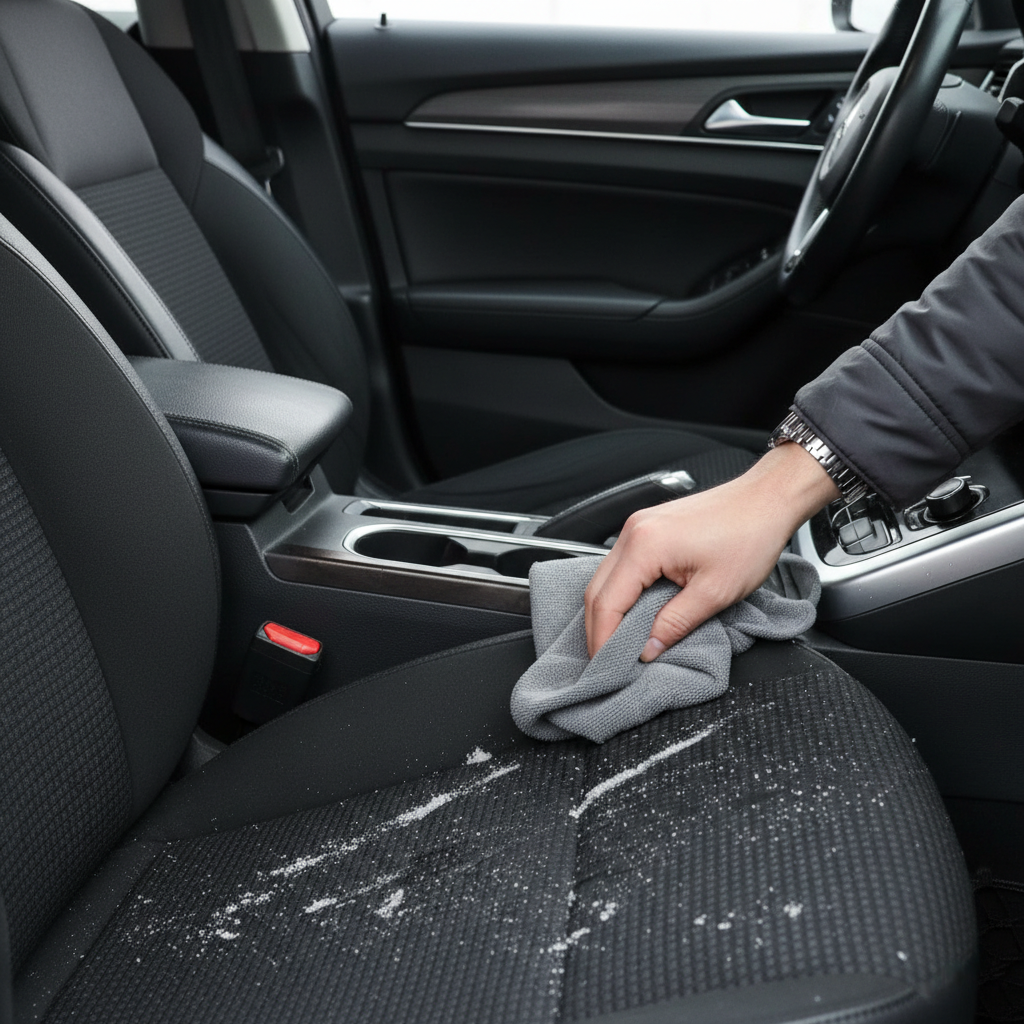
Practical tip: If your cover claims waterproofing but has lots of stitching on the seating surface, assume water can find a path over time unless seams are sealed.
Care, cleaning, and winter-proofing habits that actually help
Even the best covers get gross in January. The goal is to keep moisture from lingering, because that’s when odors and mildew-like smells can develop.
- Weekly shake-out: Remove loose salt grit so it doesn’t grind into seams.
- Wipe after storms: A quick towel wipe beats deep cleaning later.
- Dry time matters: If the cover gets soaked, let it dry fully before a long park in a cold garage.
- Don’t overuse harsh chemicals: Some coatings degrade with strong solvents. Mild soap and water is often safer, but follow the brand’s care label.
If you notice persistent dampness, it may be less about the cover and more about where the water pools, adjusting tension and smoothing the seating surface usually helps.
Conclusion: a “best” pick is really a best match
The best winter setup is usually simple: a true waterproof barrier where you sit, enough side coverage to catch slush from bulky coats, and a fit that stays put when you slide in with winter layers. If you need warmth, look for a comfortable top layer, but don’t sacrifice the barrier that keeps meltwater off your actual seats.
Two quick actions: (1) check your seat airbags and seat features in the owner’s manual before ordering, (2) choose a cover type based on your worst winter day, not your mild ones.
FAQ
- Are neoprene seat covers good for winter?
Often yes, because neoprene insulates and resists water well. The tradeoff is breathability, so if you run the cabin heat high, it can feel warmer than expected. - Do waterproof seat covers work with heated seats?
Many do, but heat transfer can be reduced by thick layers. If heated seats are a must, look for thinner waterproof materials or products that explicitly mention heated-seat compatibility. - What’s better for snow: PU leather or canvas?
PU leather wipes clean easily, while canvas-style covers tend to handle abrasion and gear better. For heavy slush, canvas needs a solid backing to prevent soak-through. - How do I stop a seat cover from sliding around in winter?
Tighten straps after a few days, use the anchors correctly, and choose non-slip backing. Bulky jackets make you shift more, so a looser cover will creep faster. - Can I put a seat cover over side airbags?
Only if it’s designed for seat-mounted airbag deployment and your vehicle manual doesn’t prohibit it. When in doubt, choosing a cover that leaves the airbag area unobstructed is the safer call. - Will a waterproof cover protect against road salt?
It helps, especially if the surface is wipe-clean. Salt dust still accumulates in seams and creases, so quick wipe-downs and occasional removal make a difference. - What should I do if my seat cover smells musty in winter?
Dry it fully and clean with mild soap, then check for trapped moisture underneath. If odor persists, you may need to remove the cover for a longer dry-out and inspect the seat fabric.
If you’re trying to pick the best car seat covers for winter waterproof without wasting money on something that fits poorly, it helps to share your vehicle model, whether you have seat airbags or heaters, and what “winter mess” you deal with most, then you can narrow to a cover style that’s realistic for your day-to-day.