
Best Car Battery Maintainers for Long Term Storage (2026 Buyer’s Guide)
Best car battery maintainers for long term storage come down to one thing: keeping your battery healthy without “cooking” it or letting it slowly die while your car sits. If you store a vehicle for weeks or months, a maintainer is usually cheaper than repeated battery replacements, and it saves you the annoying surprise of a no-start day.
What makes this tricky is that not all “chargers” behave the same. Some are fine for an occasional top-off, others are designed to stay connected for months with smart monitoring, temperature compensation, and safe float or pulse maintenance. The wrong pick can mean undercharging in cold weather or overcharging in heat.
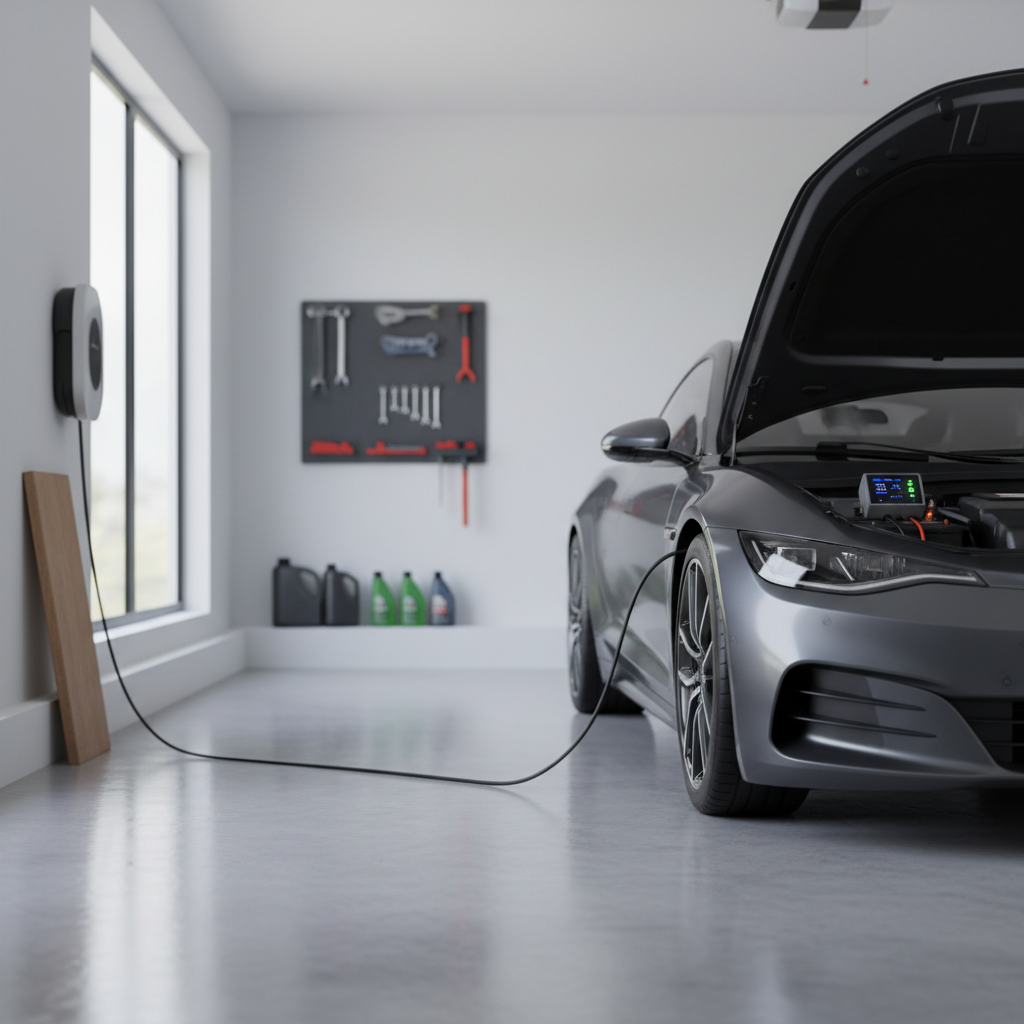
This guide helps you pick a maintainer that matches your battery type, storage conditions, and how hands-on you want to be, then shows a setup routine that avoids the most common mistakes.
Quick take: what to look for in a long-term battery maintainer
If you only remember a few things, remember these. A “maintainer” for long storage should manage voltage automatically, not just output power continuously.
- True maintenance mode: automatic float/monitoring (often with pulse), not a constant trickle.
- Correct battery chemistry support: flooded, AGM, gel, and sometimes lithium (LiFePO4). Don’t assume “12V” equals compatible.
- Right amperage: for storage, 0.75A–2A is common; higher amps aren’t automatically “better” for long parking.
- Safety: reverse polarity protection, spark resistance, short-circuit protection.
- Cold/heat adaptability: temperature sensor or compensation helps when your garage swings hot/cold.
- Convenient connection: quick-connect SAE lead or ring terminals so you’ll actually use it.
According to SAE International, different lead-acid battery designs have different charging requirements, which is a polite way of saying “matching battery type matters more than people think.”
Why batteries die in storage (and why maintainers help)
Even when a car is “off,” the battery still drains. Modern vehicles have parasitic draws from alarms, keyless entry modules, trackers, and memory circuits. Add normal self-discharge, and a battery can drift into a low state-of-charge over time.
Once a lead-acid battery sits low for too long, sulfation becomes the real enemy. It’s a chemical change that can reduce capacity and cranking power, sometimes permanently. A good maintainer keeps the battery in a healthier range so sulfation is less likely to build up.
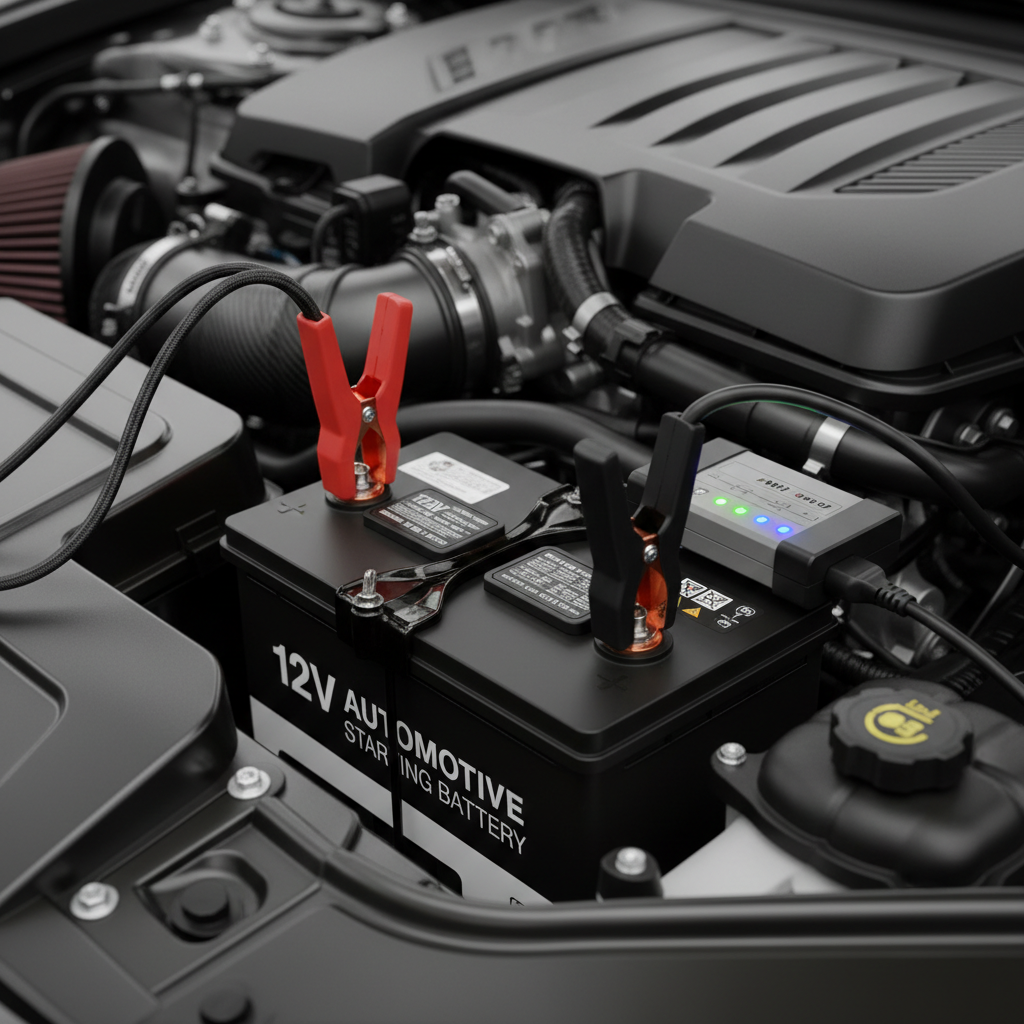
There’s also a practical angle: most “dead battery” situations aren’t total failure, they’re just a battery left undercharged long enough that it can’t crank. For long-term parking, prevention is easier than recovery.
How to choose the right maintainer (by your real storage scenario)
Shopping for the best car battery maintainers for long term use feels messy because product pages mix “charger,” “tender,” and “maintainer.” Here’s a cleaner way to decide based on how you store the vehicle.
Scenario A: Garage storage with power available (most common)
- Pick a smart maintainer with automatic monitoring/float.
- Choose 1A–2A unless you have a special need; it’s usually plenty for keeping topped up.
- Prefer quick-connect leads so connection becomes a 5-second habit.
Scenario B: Outdoor storage, temperature swings
- Prioritize temperature compensation or an optional temp sensor.
- Weather resistance helps, but be realistic: many units are “garage-safe,” not “rainproof.” Keep the charger sheltered.
- Use a GFCI outlet and safe cord routing; if you’re unsure, ask an electrician.
Scenario C: No outlet nearby (storage lot, driveway, seasonal spot)
- A solar maintainer can work, but output depends on sunlight and panel size. Expect variability.
- Look for an integrated charge controller to prevent overcharge.
- If the vehicle has meaningful parasitic draw, solar may struggle in winter or shade.
Scenario D: You’re storing a classic car (or a car with minimal electronics)
- You may get away with less, but a smart maintainer still reduces the chance of sulfation.
- If you disconnect the battery entirely, you might only need periodic charging instead of continuous maintenance.
Top picks table: best car battery maintainers for long term storage (2026)
Because availability and model revisions change, it’s smarter to choose by “type + features” than chase a single magic model. These are well-known product lines in the U.S. market that typically fit long-term storage needs.
| Pick (category) | Best for | Typical output | Battery types | Why it’s a good long-term fit |
|---|---|---|---|---|
| Battery Tender Plus / Junior (smart maintainer) | Most cars in garages | ~0.75A–1.25A | Flooded, AGM (model-dependent) | Set-and-forget style, widely used, simple indicators |
| CTEK MXS series (feature-rich maintainer) | Cold climates, picky batteries | ~0.8A–5A (varies) | Flooded, AGM, sometimes recond modes | More charging stages, optional temp sensing on some models |
| NOCO Genius series (smart charger/maintainer) | Multi-vehicle households | ~1A–5A (varies) | Lead-acid; some models support lithium modes | Modern protections, easy mounting, broad model range |
| Schumacher maintainer lines (budget-friendly) | Simple long parking, lower cost | ~0.8A–1.5A | Lead-acid (check SKU) | Often solid basics, good for straightforward storage |
| Solar maintainer + controller (off-grid) | No outlet access | Panel-dependent | Lead-acid; some lithium with proper controller | Can offset parasitic drain when sun exposure is reliable |
My editorial bias here: if you’re storing one vehicle in a typical garage, a reputable 0.75A–1.25A smart maintainer is usually the sweet spot. More amps and more modes can be helpful, but they’re not automatically safer or more “premium” for long storage.
Self-check: are you buying a maintainer, a charger, or both?
A lot of frustration comes from buying the wrong tool for the battery’s current condition. Use this quick checklist.
- Battery is healthy, car sits weeks/months → maintainer is usually enough.
- Battery often drops below ~12.4V (typical lead-acid resting voltage when not full) → you may need a charger function that can properly bring it back before maintaining.
- Battery is older and struggles to crank even when “charged” → a maintainer won’t fix worn capacity; plan for battery testing/replacement.
- Vehicle has high parasitic draw (aftermarket alarm, tracker, dash cam hardwire) → pick a stronger smart charger/maintainer or address the draw.
According to Battery Council International (BCI), correct charging practices and battery maintenance are key factors in battery service life. Translation: a maintainer helps, but it can’t reverse age or physical deterioration.
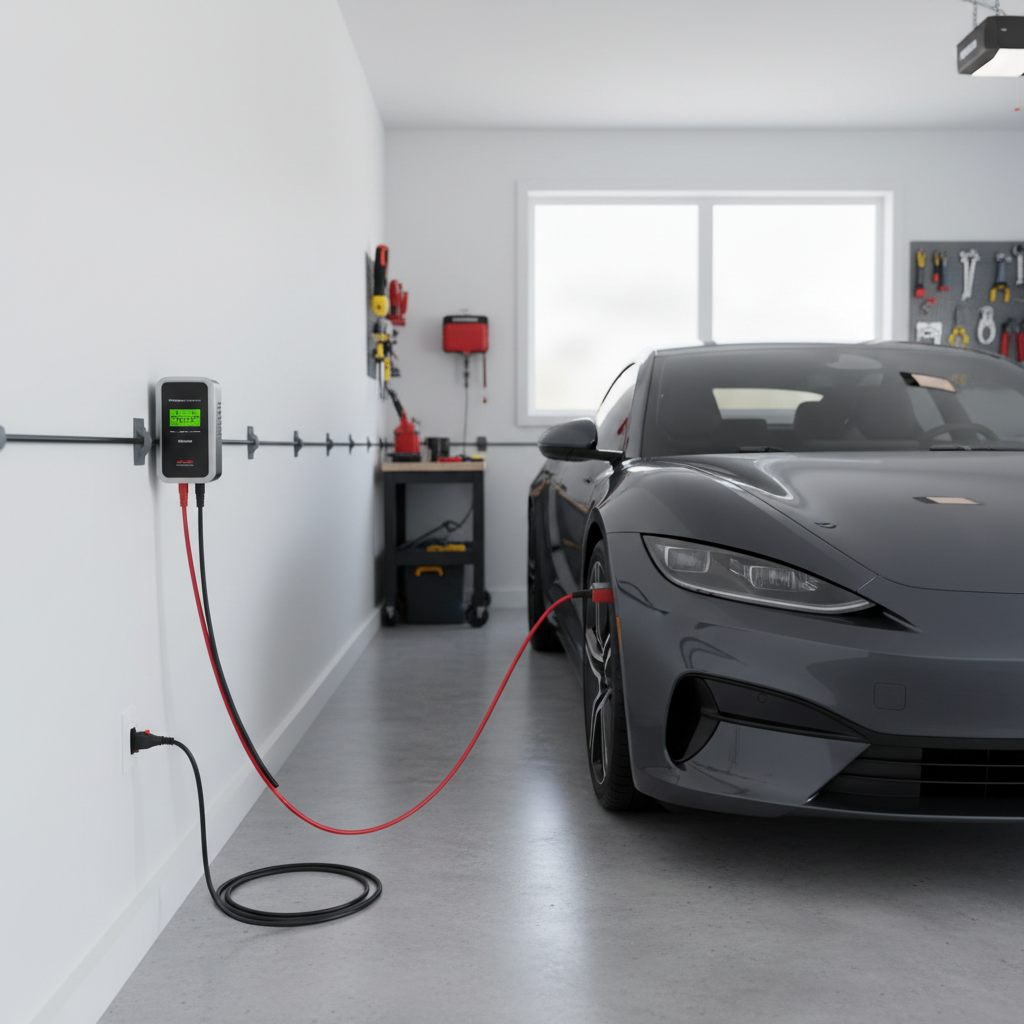
How to set up a battery maintainer for long-term storage (step-by-step)
Best car battery maintainers for long term use still depend on setup. A good unit installed poorly can become unreliable or unsafe.
1) Confirm battery type and access
- Check the label: flooded, AGM, gel, or lithium.
- If the battery is in the trunk or under a seat, locate the jump posts or service terminals if the vehicle provides them.
2) Inspect the battery before connecting
- Look for swelling, cracks, or leaking. If you see damage, stop and consult a mechanic.
- Clean corrosion lightly if needed; poor contact causes heat and weird charging behavior.
3) Connect in the right order
- With the maintainer unplugged, connect positive to positive, then negative to negative or a solid chassis ground if the manual recommends it.
- Secure the quick-connect lead so it won’t touch hot or moving parts.
4) Power on and verify the mode
- Select the correct chemistry mode, especially for AGM or lithium.
- Confirm the indicator shows charge/maintain as expected; blinking patterns vary by brand, read the label once.
5) Check once, then leave it alone
- After a few hours, feel the cables at the clamps. Warm is usually fine, hot is not.
- After that, a weekly glance at status lights is enough for many people.
Mistakes that quietly ruin long-term storage (even with a maintainer)
- Using a constant trickle charger: some cheap units don’t truly regulate; long connection can overcharge a lead-acid battery.
- Wrong battery mode: AGM and lithium profiles can differ, mismatch can shorten life.
- Ignoring parasitic draw: if the vehicle draws more than the maintainer can offset, you’ll still end up low.
- Bad extension cord habits: thin cords, wet connections, or pinched cables create safety risk. If you’re not confident, ask for professional help.
- “Reconditioning” as a routine: some chargers have desulfation or recond modes, but using them too casually can be counterproductive. Follow the manufacturer guidance.
Also worth saying out loud: if your battery is already near end-of-life, no maintainer becomes a miracle cure. It can reduce the number of bad mornings, but it won’t restore lost capacity.
Conclusion: the best choice is the one you’ll actually keep connected
For most U.S. drivers, best car battery maintainers for long term storage means a reputable smart maintainer in the 0.75A–2A range, matched to your battery type, with safe protections and an easy quick-connect. If you store outdoors or deal with serious cold, temperature-aware options move up the priority list, and if you lack power access, solar can work when conditions cooperate.
If you want an easy next step, pick a smart maintainer compatible with your battery chemistry, install a ring-terminal quick connector once, then do a single “status light” check the next day. That small routine prevents most storage-related battery headaches.
FAQ
What’s the difference between a battery tender and a battery maintainer?
In everyday use, people use the terms interchangeably. What matters is whether the unit has an automatic maintenance stage that monitors voltage and switches to float or pulse maintenance, rather than pushing constant current.
How many amps do I need for a maintainer during long-term storage?
Many cars do well with about 0.75A–2A for storage. If your vehicle has higher parasitic draw or you’re maintaining a larger battery, a higher-rated smart charger/maintainer may help, but it should still be designed for long connection.
Is it safe to leave a battery maintainer on for months?
With a reputable smart maintainer used as directed, it’s commonly done. Safety still depends on correct battery type mode, good connections, and safe power setup. If you see heat, smell, swelling, or error indicators, stop and investigate.
Do I need to disconnect the battery when using a maintainer?
Usually no, and many people prefer not to because it keeps vehicle memory settings. If you’re chasing a parasitic draw problem, disconnecting the battery can be part of diagnosis, but that’s a different goal than simple maintenance.
Will a maintainer fix a battery that keeps dying?
Sometimes it helps if the issue is simply undercharging during storage. If the battery is old, sulfated, or has a bad cell, a maintainer may not solve it. A battery test at an auto parts store or repair shop can clarify.
Can I use a maintainer on an AGM battery?
Often yes, but choose a unit that explicitly supports AGM or has an AGM mode. AGM batteries can have different charging voltage targets than flooded lead-acid, so compatibility matters.
Are solar battery maintainers worth it for long-term storage?
They can be, especially for low-draw vehicles with good sun exposure. In shade, winter, or with higher parasitic draw, solar may not keep up consistently, so manage expectations.
Key takeaways (save this)
- Match the maintainer to battery chemistry, not just “12V.”
- Smart maintenance mode beats constant trickle for months-long connection.
- 0.75A–2A fits most storage needs, higher amps help only in specific cases.
- Setup quality matters: clean terminals, correct order, safe cord routing.
If you’re trying to pick between a few models and you can share your battery type, storage location, and whether you have outlet access, I can help narrow it down to the simplest option that still fits long-term storage safely.