
Best car seat covers for universal fit usually come down to two things: how forgiving the pattern is around seat shapes, and how well the cover anchors so it doesn’t slide after a week of commuting. If you’ve ever ordered “universal” covers that bunch up, block the seat-belt buckle, or look like a wrinkled bedsheet, you already know why this matters.
A good set should protect against spills, pet hair, and daily abrasion, but still feel comfortable and look intentional. The catch is that “universal fit” is not a standard size, it’s more like a promise that depends on your seat style, your vehicle, and the cover design.
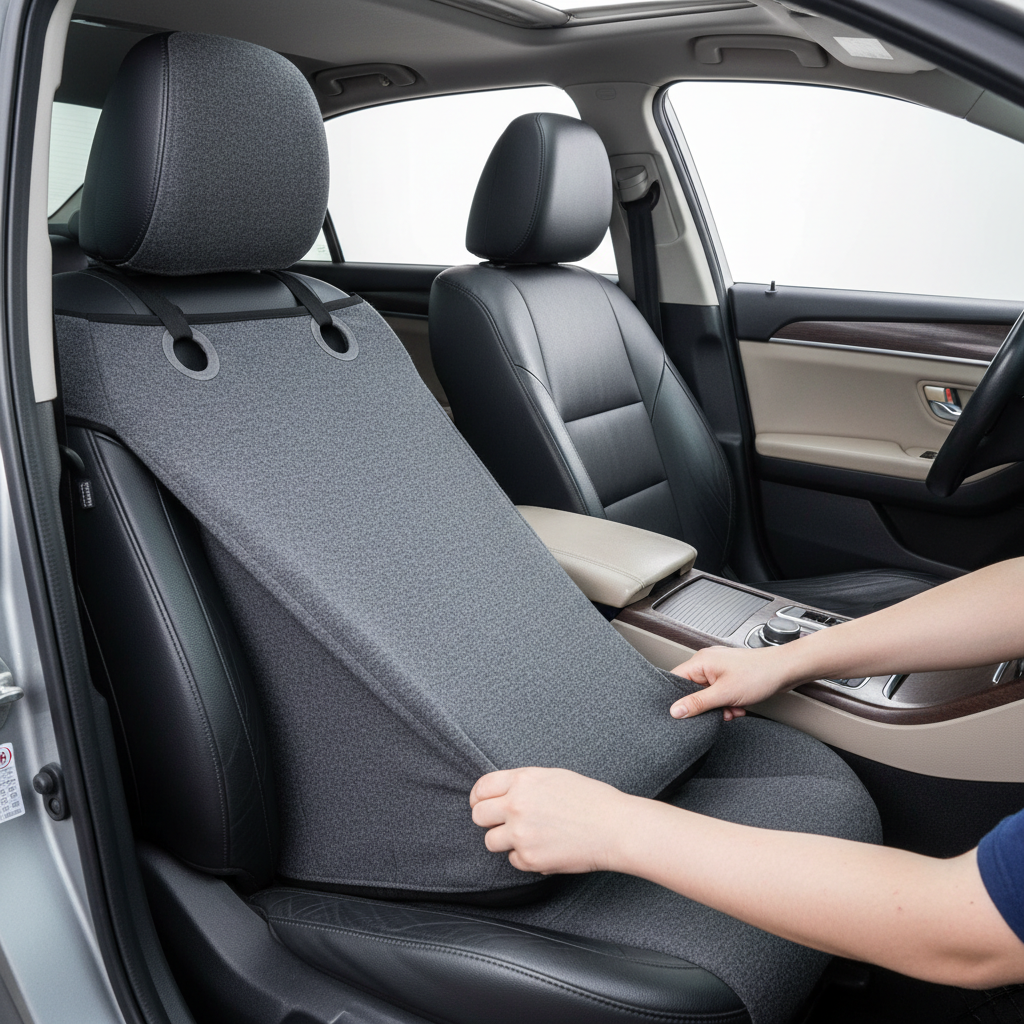
This guide helps you pick covers that install quickly, stay put, and avoid common safety or compatibility issues. I’ll also share a simple checklist you can run in two minutes before you click “Buy.”
What “Universal Fit” Really Means (and Where It Often Fails)
Most “universal” covers are designed to fit a range of bucket seats and some bench seats, but they rarely fit every variation equally well. The problem areas show up fast: integrated headrests, chunky side bolsters, and unusual seatbelt/buckle placements.
- Bucket vs. bench: bucket seats are easier because the cover can wrap each seat separately. Bench seats often need split seams or multiple pieces to avoid bunching.
- Headrest type: removable headrests are easiest. Integrated headrests can make “universal” look sloppy unless the pattern is made for that shape.
- Bolsters and sport seats: thick side bolsters stretch fabric and expose edges. Look for high-stretch panels or “contour” stitching.
- Rear seat quirks: fold-down armrests, 60/40 splits, and LATCH points can complicate rear installs.
One more thing people miss: “fits” and “fits well” are different. If the cover shifts when you slide in, it’ll wear faster and feel annoying every single drive.
Quick Compatibility Checklist Before You Buy
If you want the best car seat covers for universal fit, do this quick check first. It prevents most returns.
Measure and identify your seat style
- Front seats: bucket or bench
- Headrest: removable, adjustable, or integrated
- Seat base: flat or heavily bolstered
- Rear: 60/40 split, 50/50 split, fixed bench, or third-row
Confirm safety-related requirements
- Side airbag compatibility: look for “airbag compatible” or “tear-away seam” labeling for seats with side airbags.
- Seatbelt access: ensure the design keeps buckles fully reachable without forcing you to fish around.
- Child seat anchors: if you use LATCH, check for accessible openings or clearly marked anchor zones.
According to NHTSA, seat belts and airbags are key occupant protection systems, so if a cover interferes with their operation, it’s a bad trade even if it looks great.
Best Materials for Universal Fit: Comfort, Grip, and Real-Life Cleanup
Material is where “easy install” meets “stays put.” Universal-fit designs often rely on stretch and friction, so the fabric choice affects both fit and daily comfort.
- Neoprene: water resistance and a snug feel, usually easier to wipe clean. Can run warm in hot climates.
- Polyester/cloth blends: breathable and budget-friendly, but some slide more unless they have grippy backing.
- Faux leather (PU): wipes easily and looks sharp, but fit depends on paneling because low-stretch PU can wrinkle on curved seats.
- Canvas/oxford: durable for work trucks and dogs, often less “tailored” looking and can feel stiff.
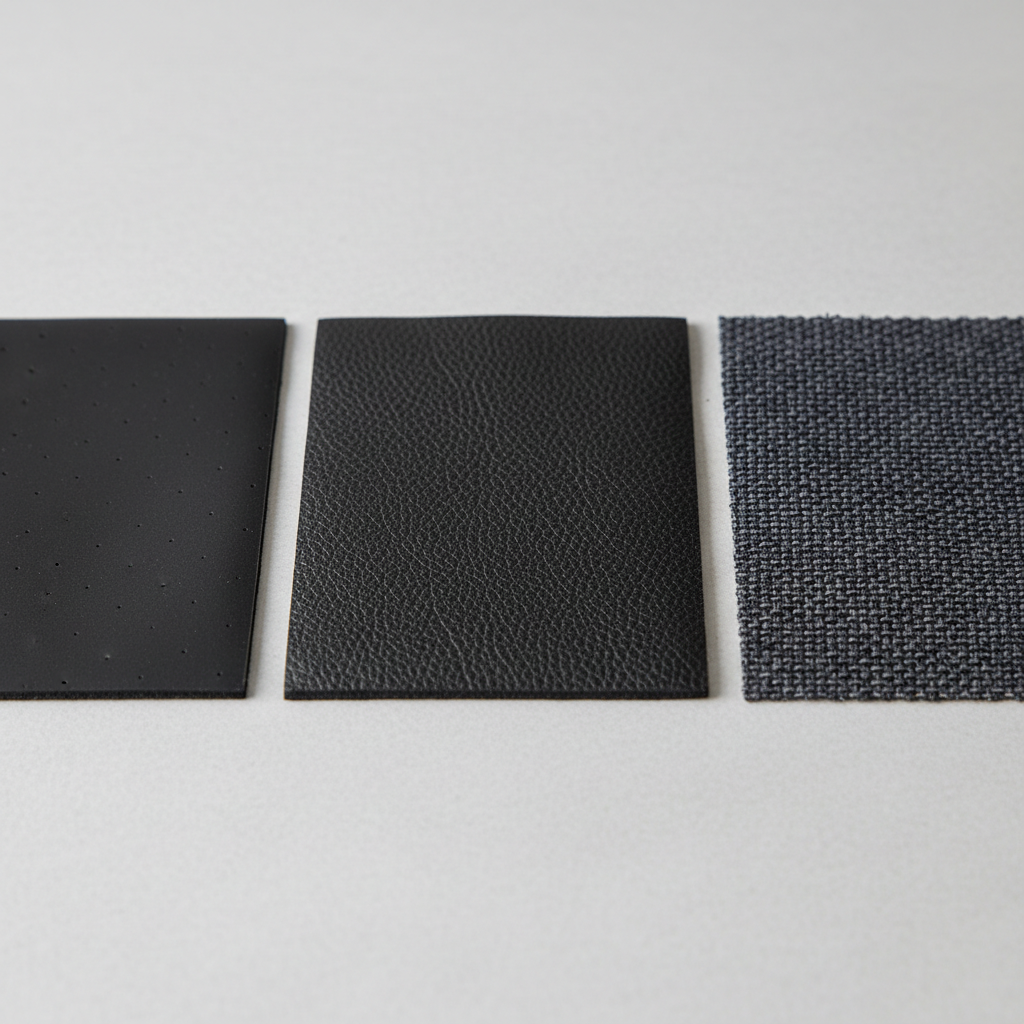
If your main goal is “throw it on fast and forget about it,” stretchy cloth with strong anchors often feels more forgiving than stiff materials, even when the marketing photos make stiff covers look more premium.
Comparison Table: Common Universal-Fit Options (What They’re Good For)
Instead of chasing a single “best,” it’s usually smarter to match a style to your daily use.
| Use case | What to look for | Material that often works | Trade-off to expect |
|---|---|---|---|
| Daily commuting, clean look | Contoured panels, tight headrest fit, buckle cutouts | PU leather or neoprene | Can trap heat in summer |
| Kids, snacks, spills | Water resistance, wipe-clean surface, easy removal | Neoprene or coated fabric | May feel thicker/less breathable |
| Pets (hair, claws) | Scratch resistance, tight anchors, hair-shedding texture | Canvas/oxford or heavy cloth | Less “factory” look |
| Work truck, dirty clothes | Rugged stitching, stain resistance, quick brush-off | Canvas/oxford | Fit may look looser |
| Budget refresh | High-stretch, decent strap system, simple two-piece front set | Polyester blend | Can slide if anchors are weak |
Easy Install, Step by Step: Get a Tighter “Universal” Fit
The same cover can look “fine” or “surprisingly good” depending on install. Most complaints come from skipping two boring steps: aligning seams and tensioning anchors.
Front seats (bucket) quick method
- Slide the front seat back to create space around the seat base.
- Fit the backrest portion first, align any seam lines with the seat’s natural edges.
- Pull the seat base portion tight, then tuck excess fabric into the seat crack using your hand, not a sharp tool.
- Attach straps/hooks under the seat, tension until the cover stops shifting when you push it sideways.
- Reinstall headrest, then re-check headrest holes for stress or tearing.
Rear bench tips that prevent bunching
- Check whether your rear bottom cushion pops out; some vehicles allow lifting the bottom for cleaner routing.
- For split benches, avoid covering hinges and latches, covers that claim “universal rear” may still block fold functions.
- Keep seatbelt buckles exposed before tightening everything, otherwise you’ll trap them under fabric.
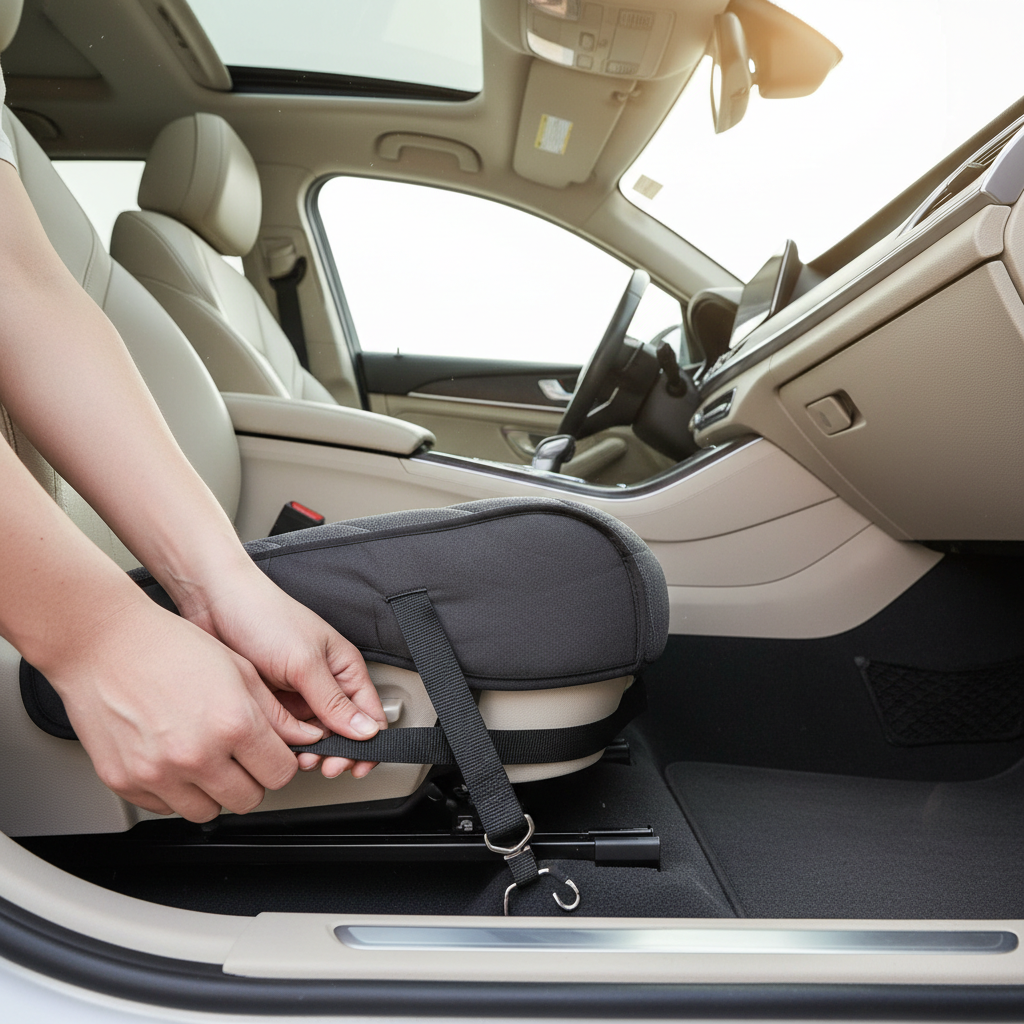
Key takeaway: don’t chase perfection everywhere, chase stability where you sit and where you slide in. If the seat base doesn’t move, the cover will look better automatically.
Common Mistakes That Make Universal Covers Look Cheap
- Ignoring airbag seams: if your seat has side airbags, buy covers explicitly designed for that. If you’re unsure, check the vehicle manual or ask a professional installer.
- Hooking to moving parts: straps clipped to seat controls or moving rails can loosen or break over time.
- Skipping the “tuck” step: loose fabric at the seat crack causes the rolling, wrinkled look.
- Buying a rear cover without matching your split: a one-piece bench cover can block folding sections and become a daily annoyance.
- Expecting custom-fit tightness: even the best universal-fit set usually shows small gaps around complex seat shapes.
And yes, some covers arrive with strong “warehouse smell.” Airing out for a day or two often helps, but if odor persists, consider returning, especially if anyone in the household is sensitive to smells.
When You May Need a More Vehicle-Specific or Professional Solution
Universal sets are great until your seat design is complicated. If you hit any of these, a semi-custom or vehicle-specific kit often saves time and frustration.
- Integrated headrests with sharp contours
- Very pronounced sport bolsters
- Rear seats with multiple splits plus a fold-down armrest
- Persistent slipping even after tightening straps
If you’re concerned about airbag compatibility, seat sensors, or child-seat anchoring, it can be worth asking an upholstery shop or experienced installer for guidance. That’s not overkill, it’s just being careful with safety-critical parts.
Conclusion: How to Pick the Right Set Without Overthinking It
The best car seat covers for universal fit are the ones that match your seat type, use a material that fits your climate and lifestyle, and include a strap system strong enough to stop the “slide and bunch” cycle. If you only do two things, do this: confirm airbag compatibility where needed, and buy a design with solid anchors and clear buckle access.
If you want a quick next step, grab a few photos of your front seats and rear bench, then compare them to product images that show the cover installed on similar seat shapes. That simple reality check prevents most bad purchases.
FAQ
What are the best car seat covers for universal fit in most sedans?
For many sedans with standard bucket fronts, high-stretch cloth or neoprene-style covers with multiple anchors tend to fit cleaner than stiff one-piece designs. The “best” choice still depends on whether you prioritize breathability, wipe-clean convenience, or a leather-like look.
Do universal car seat covers work with side airbags?
Some do, some don’t. Look for labeling that explicitly mentions side-airbag compatibility and tear-away seams. If your seat has a side airbag and the cover doesn’t address it clearly, it’s safer to skip that model or consult a professional.
How can I stop universal seat covers from sliding around?
Usually it’s tension and anchor placement. Re-route straps so they pull the seat base cover down and back, then tighten evenly. Adding a grippy underlayer can help in some cases, but if the cover design is too loose for your seat, it may never feel stable.
Are faux leather universal seat covers comfortable in hot weather?
They can feel warm, especially in direct sun. If you live in a hotter area or park outside, breathable cloth or perforated designs often feel more comfortable. Window shades and remote start cooling can reduce the annoyance, but material choice matters.
Will universal covers fit seats with integrated headrests?
Sometimes, but the fit is hit-or-miss. Integrated headrests create odd curves that expose loose fabric. If your headrest doesn’t come off, choose covers that show clear photos of integrated-headrest installs, not just removable-headrest examples.
Can I install seat covers without removing the seats?
In most vehicles, yes. You typically slide the seat forward and back to reach anchor points. If you can’t access safe anchor locations under the seat or you’re worried about wiring for powered seats, consider asking an installer for help.
Do seat covers interfere with heated or ventilated seats?
They can reduce the effect because they add a layer between you and the seat surface. Thin, breathable materials tend to interfere less than thick padded covers, but results vary by seat system and cover construction.
If you’re trying to protect a new interior or hide aging seats and you’d rather not gamble on “universal” marketing photos, it may help to shortlist covers by your seat type, climate, and install style, then choose the one with the clearest airbag and buckle design details for your vehicle.