
Best car seat covers for summer cool usually come down to two things you can feel on day one: airflow and heat management, not just a “nice-looking” fabric. If your seat feels like it traps heat, or your back gets sweaty even on short drives, the cover material and design matter more than brand hype.
Summer driving in the U.S. is a mix of blazing parking lots, long commutes, and quick errands where the cabin never fully cools. A good cover can reduce that sticky, overheated feeling, protect upholstery from sunscreen and sweat, and make the car more pleasant without changing anything else.
One quick misconception: “thick = premium.” In hot weather, thick padding often holds heat. Breathable mesh, perforated materials, and moisture-wicking surfaces tend to feel better, even if they look simpler.
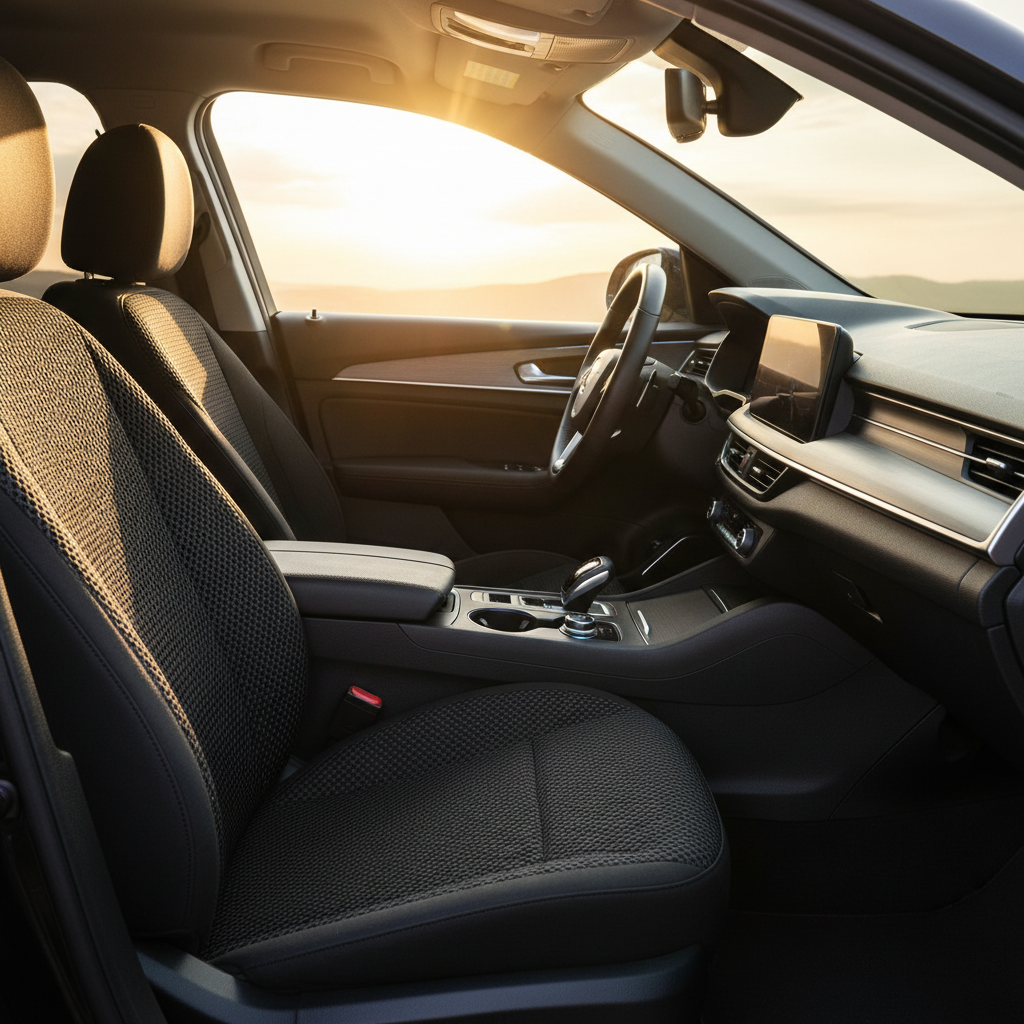
What makes a seat cover feel cooler in summer (real-world factors)
“Cool” isn’t a single feature, it’s a combo of how the cover handles heat, airflow, and moisture. In practice, these are the factors that change comfort the most.
- Breathability: Mesh and perforated surfaces let air move, so heat doesn’t build up between your body and the seat.
- Moisture handling: Sweat happens, especially with longer drives. Fabrics marketed as moisture-wicking or quick-dry often feel less clingy.
- Color and heat absorption: Dark covers can absorb more heat when sun hits directly. Light gray or tan can feel less hot, but may show stains sooner.
- Seat design compatibility: Some factory seats already ventilate (built-in fans). A cover that blocks vents can cancel that benefit.
- Thickness and backing: Thick foam or rubberized backing can trap warmth. Thin, breathable layers usually win for summer comfort.
According to the National Highway Traffic Safety Administration (NHTSA), you should follow manufacturer guidance for seat accessories to avoid interfering with safety systems like airbags. That “fit” issue is also a comfort issue, since a cover that slides or bunches up will feel worse fast.
Quick self-check: which summer seat cover problem are you solving?
Before shopping, it helps to be honest about what’s actually bothering you, because the “best” option changes by scenario.
- My back gets sweaty: prioritize 3D mesh, ventilated designs, and quick-dry fabrics.
- Seat is scorching after parking: look for lighter colors, breathable surfaces, and consider pairing with a windshield sunshade.
- I have leather seats and they feel sticky: a thin breathable layer often helps without adding bulk.
- I have kids/pets: you may need a balance—breathable top layer with spill resistance, plus machine-washable care.
- I drive rideshare: choose something that stays neat, doesn’t slide, and can be cleaned quickly between riders.
If you’re dealing with more than one, choose the “daily pain” first. For many people, sweat control beats spill-proofing in peak summer months.
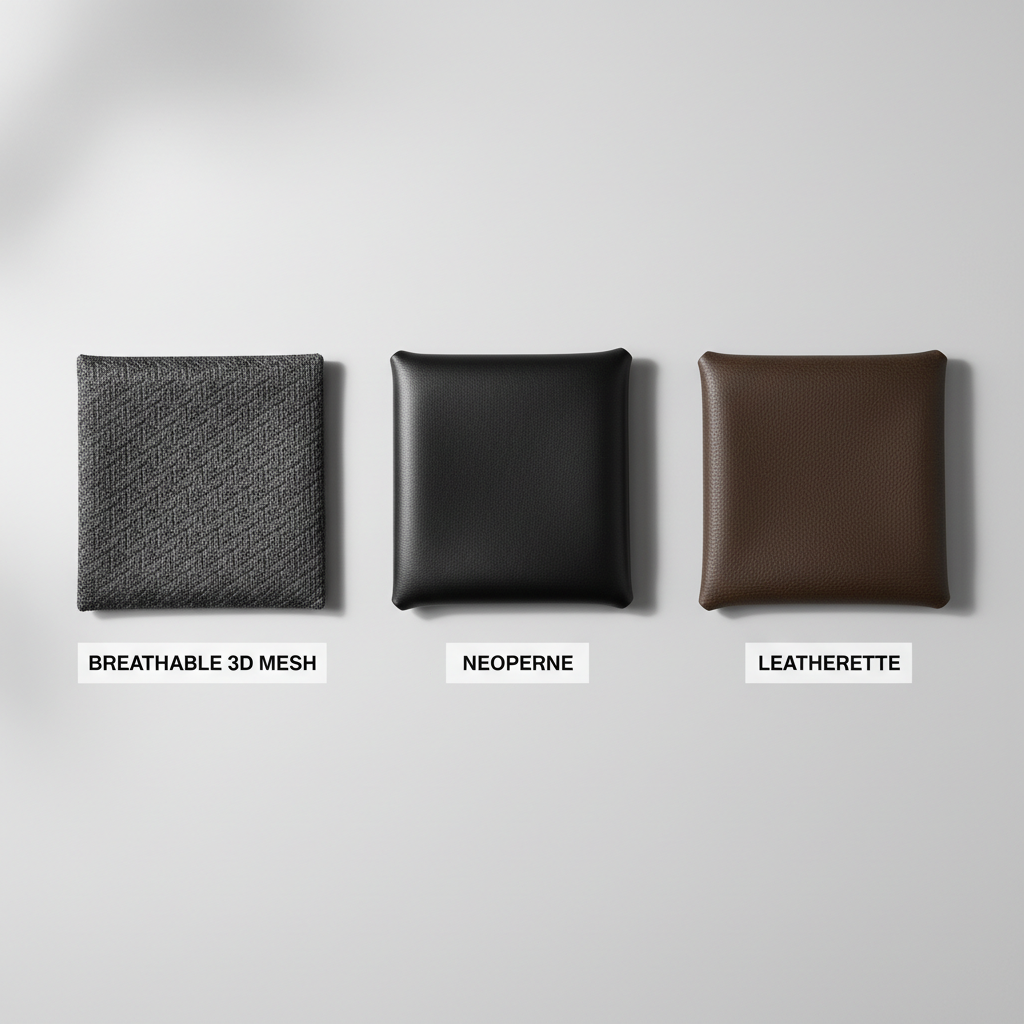
Best materials for cool, breathable summer seat covers
Materials are where the comfort difference comes from. Here’s how the common options behave when it’s hot out.
3D mesh (air mesh)
If your main goal is staying dry, 3D mesh is often the most convincing. The “spacer” structure creates airflow channels, so it feels less like you’re sitting on a warm sponge.
- Pros: high airflow, dries quickly, usually lightweight
- Cons: can snag, may not look as “luxury,” spill protection varies
Bamboo-derived viscose / “bamboo” fabric blends
These covers can feel soft and cooler to the touch. Quality varies a lot, so the weave and backing matter as much as the label.
- Pros: soft hand feel, decent breathability in many cases
- Cons: durability depends on blend, can stretch if fit isn’t right
Cotton or linen blends
Good for breathability, but they can stain and hold moisture longer than mesh, depending on thickness.
- Pros: breathable, less “plastic” feel
- Cons: spills and sunscreen marks show, can wrinkle or shift
Neoprene
Neoprene is popular because it’s sporty and water-resistant, but it often feels warmer. If you live in a very hot area, this may not match the “cool & breathable” goal.
- Pros: durability, some spill resistance
- Cons: tends to trap heat, can feel sweaty
Leatherette / faux leather
Looks clean and wipes easily, but many versions get hot and sticky. Perforated faux leather can be a middle ground if you want the look.
- Pros: easy cleaning, tidy appearance
- Cons: heat retention, comfort varies by perforation and padding
Fit and safety details people overlook (but should not)
Most complaints about seat covers aren’t about fabric, they’re about fit: sliding, bunching, blocked seat controls, and in some cases interference with airbags. For modern cars, “universal fit” can be optimistic.
- Side airbags: many seats have airbags in the outer bolsters. Use covers explicitly designed to be airbag compatible, and follow the vehicle and cover manufacturer guidance.
- Ventilated seats: if your seat has built-in ventilation, avoid thick backing that blocks airflow.
- Headrest and seat geometry: integrated headrests, sport bolsters, and tight contours may need semi-custom patterns.
- Anchoring: straps and hooks should keep the cover stable without pulling so tight that seams stress or the cover rides up.
According to the Insurance Institute for Highway Safety (IIHS), vehicle safety features work as a system; adding accessories that don’t fit as intended can create unintended tradeoffs. If you’re unsure about airbag compatibility, it’s reasonable to pause and verify rather than “hope it’s fine.”
A practical buying guide (with a quick comparison table)
When you shop for the best car seat covers for summer cool comfort, these are the product-page clues that usually translate to real comfort: “3D air mesh,” “perforated,” “moisture-wicking,” and “thin profile.” Here’s a quick way to compare.
| Type | Breathability | Heat after parking | Spill/Pet friendliness | Best for |
|---|---|---|---|---|
| 3D Mesh | High | Lower | Medium | Sweaty back, long commutes |
| Bamboo blend | Medium-High | Lower-Medium | Medium | Soft feel, daily comfort |
| Cotton/Linen blend | Medium | Medium | Low-Medium | Breathable budget setups |
| Perforated leatherette | Low-Medium | Higher-Medium | High | Easy wipe-down, clean look |
| Neoprene | Low | Higher | High | Water protection over cooling |
Key takeaway: if cooling is truly your top priority, start with mesh and only move away from it if you need more spill resistance or a specific look.
How to keep seat covers cool all summer (setup + care)
Even a breathable cover can feel hot if it’s installed wrong or cared for like a winter mat. These steps help in the real world.
Installation tweaks that improve comfort
- Pull the cover tight where your back rests, then anchor under the seat so fabric doesn’t fold and trap heat.
- Keep ventilation paths open if your seat has fans, avoid extra pads or thick towels underneath.
- Check seat belt access, buckles should stay unobstructed and easy to click.
Cleaning habits that prevent the “sticky” feeling
- Vacuum weekly if you use sunscreen, beach gear, or carry pets, buildup makes fabric feel clammy.
- Spot-clean sweat and sunscreen marks early, many fabrics feel hotter once residues build up.
- Air-dry when possible, high heat drying can warp elastic or backing on some covers.
Common mistakes that make “cool covers” feel hotter
- Choosing waterproof first, breathability second: water resistance is useful, but many waterproof backings trap heat.
- Layering extras: adding a towel or pad on top defeats the breathable design.
- Ignoring cabin heat management: a sunshade and cracking windows (where safe/legal) can reduce how much heat the cover must handle.
- Buying the wrong size: loose covers bunch up, and those folds become warm spots fast.
When you may want professional help or extra caution
If your seats have side airbags, integrated seat belts, or advanced seat controls, it can be worth checking the owner’s manual or asking the dealership parts department what types of covers are compatible. In some cases, a professional installer at an auto upholstery shop can help confirm fit, especially for semi-custom covers.
If you have back conditions or heat sensitivity, a cooler seating surface may help comfort, but it’s not medical care. If heat exposure triggers symptoms, consider asking a clinician for guidance on safe heat management during travel.
Conclusion: picking the right “cool” cover without overthinking it
The best car seat covers for summer cool comfort usually share the same DNA: breathable surface, minimal heat-trapping padding, and a fit that stays smooth. If you want one simple move, start with a quality 3D mesh option in a color that matches your tolerance for heat versus stains, then confirm it won’t interfere with airbags or seat ventilation.
If you’re shopping today, make a short list of two materials you trust, check fit notes for your exact vehicle, and prioritize easy cleaning, because “cool” feels a lot less cool once sunscreen and dust build up.
FAQ
What are the best car seat covers for summer cool comfort in very hot states like AZ or TX?
Breathable 3D mesh is often the most noticeable upgrade for heat and sweat. Pair it with a windshield sunshade and, when practical, park in shade to reduce the initial seat temperature.
Do mesh seat covers work with ventilated (cooled) seats?
Sometimes yes, but it depends on the mesh density and backing. Thin mesh with open airflow tends to work better than thick padding; if your seat ventilation feels weaker, the cover may be blocking airflow.
Are bamboo seat covers actually cooler, or is it marketing?
They can feel cooler to the touch and more breathable than faux leather, but quality varies by blend and weave. Look for breathable construction and avoid thick foam layers if cooling is the goal.
Will seat covers interfere with airbags?
They can. Choose covers labeled airbag compatible and follow the manufacturer instructions. If your seat has side airbags and the cover design is unclear, it’s smart to verify with the seller or your vehicle manual.
What color seat cover stays coolest in the sun?
Lighter colors often absorb less heat, but they can show stains faster. If you want a practical compromise, mid-gray often hides dirt better than beige while avoiding the hottest “all black” feel.
What’s the best option if I need both cooling and spill protection?
Look for a breathable top layer with a light protective backing, or a mesh cover marketed for sweat control plus a separate, removable pet/child protector for high-risk days. One product rarely does everything equally well.
How do I stop a seat cover from sliding around?
Use the provided straps and anchors, tighten them after a few days of use, and confirm you bought the right size range for your seat type. Sliding usually means the cover is too loose or the anchors aren’t positioned well.
If you’re trying to stay comfortable through a long hot summer commute, but you also want your interior to look clean and be easy to maintain, a breathable cover choice plus a quick fit check can save a lot of trial-and-error shopping.