
best car pet barrier suv is usually less about finding a “perfect” product and more about matching the barrier style to your cargo area, dog size, and how you actually use the SUV day to day.
If your dog climbs into the front seat, blocks mirrors, or turns every brake tap into a scramble, a barrier can reduce distraction and help everyone ride calmer. It also protects your upholstery and keeps groceries from becoming chew toys.
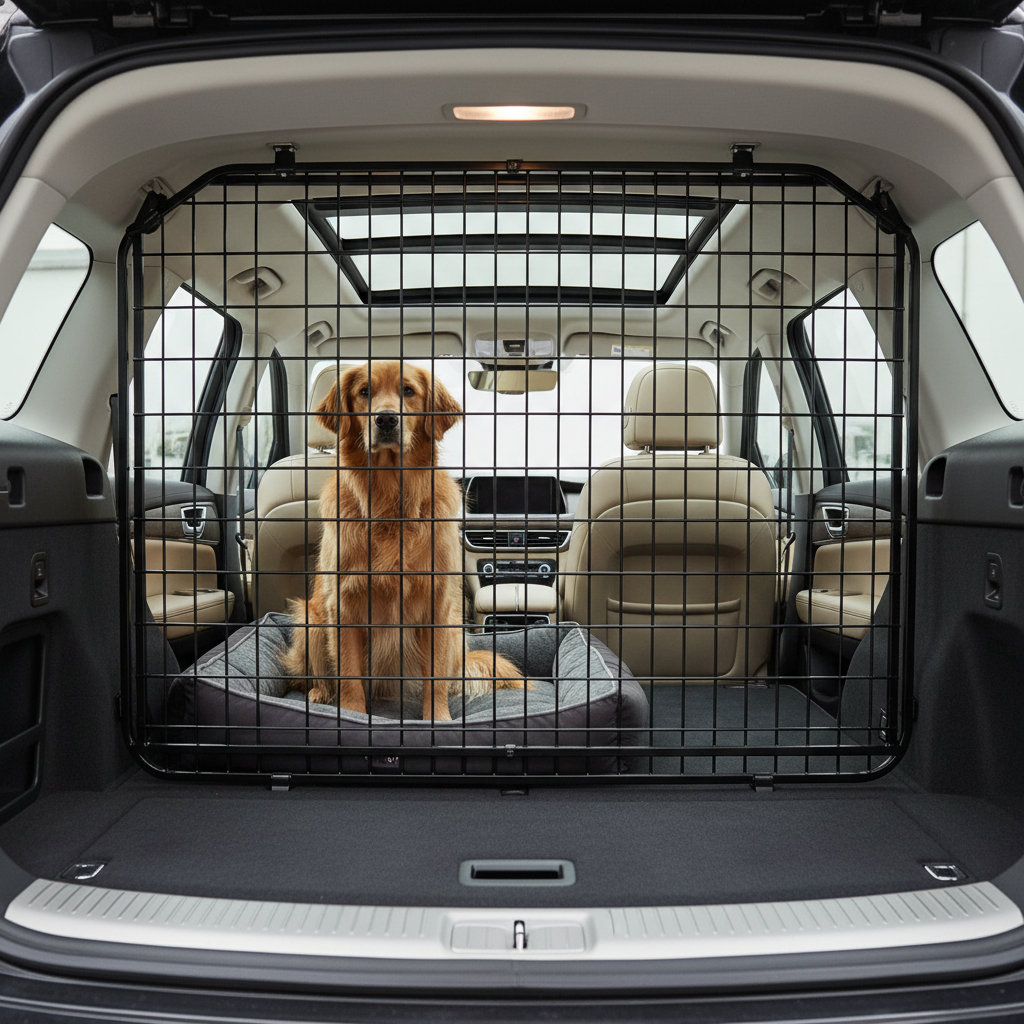
One quick reality check, a barrier is not the same thing as a crash-tested harness or crate. Many people buy one expecting “crash protection,” then get disappointed. This guide focuses on what barriers do well, how to pick the right kind for SUVs, and how to install it so it stays put.
What a pet barrier actually does, and what it doesn’t
A barrier’s best job is creating a physical boundary so your dog stays in the cargo area or back seat, which can reduce driver distraction. According to the National Highway Traffic Safety Administration (NHTSA), distraction affects driving safety, and keeping the cabin calmer can help you stay focused.
What most barriers do not guarantee is impact protection in a serious crash. Some premium systems are stronger than basic models, but “strong” and “crash-tested” are different claims. If crash performance is your priority, you may want to pair a barrier with a properly sized crate or a harness designed for car travel, and if you have questions, it’s reasonable to ask your veterinarian or a qualified pet safety professional for guidance.
- Good for: limiting roaming, keeping paws off consoles, separating dogs from passengers, reducing mess
- Not a guarantee for: injury prevention in all collisions, stopping all projectiles, containing highly determined chewers without reinforcement
Types of SUV pet barriers (and who each one fits)
When people search for the best car pet barrier suv, they usually compare three categories. The “best” one depends on how your SUV is shaped and whether you fold seats often.
1) Adjustable pressure-mounted barriers
These expand between side panels and often brace against headrests. They’re popular because they install fast and usually don’t require drilling.
- Works well if: you want easy removal, you switch between dog and cargo use
- Watch for: slipping on smooth trim, rattles, weak locking knobs, limited height for jumpers
2) Vehicle-specific steel barriers (custom-fit)
These are designed around a specific SUV model or body style and typically anchor to factory points. They tend to feel more rigid, with fewer gaps.
- Works well if: you drive often with a large dog, want a cleaner fit and fewer squeaks
- Watch for: higher cost, less flexibility if you change vehicles
3) Net, mesh, or fabric “barriers”
These are better described as visual dividers than true barriers. They can help with calmer dogs that just need a reminder not to climb forward.
- Works well if: your dog is small or relaxed, you need something light and packable
- Watch for: stretching, tearing, dogs pushing through, limited containment
Quick fit checklist for SUVs: measure first, regret less
Most returns happen because people eyeball fit. SUVs vary a lot, even within the same “midsize” label. Before you pick a barrier style, take five minutes and measure.
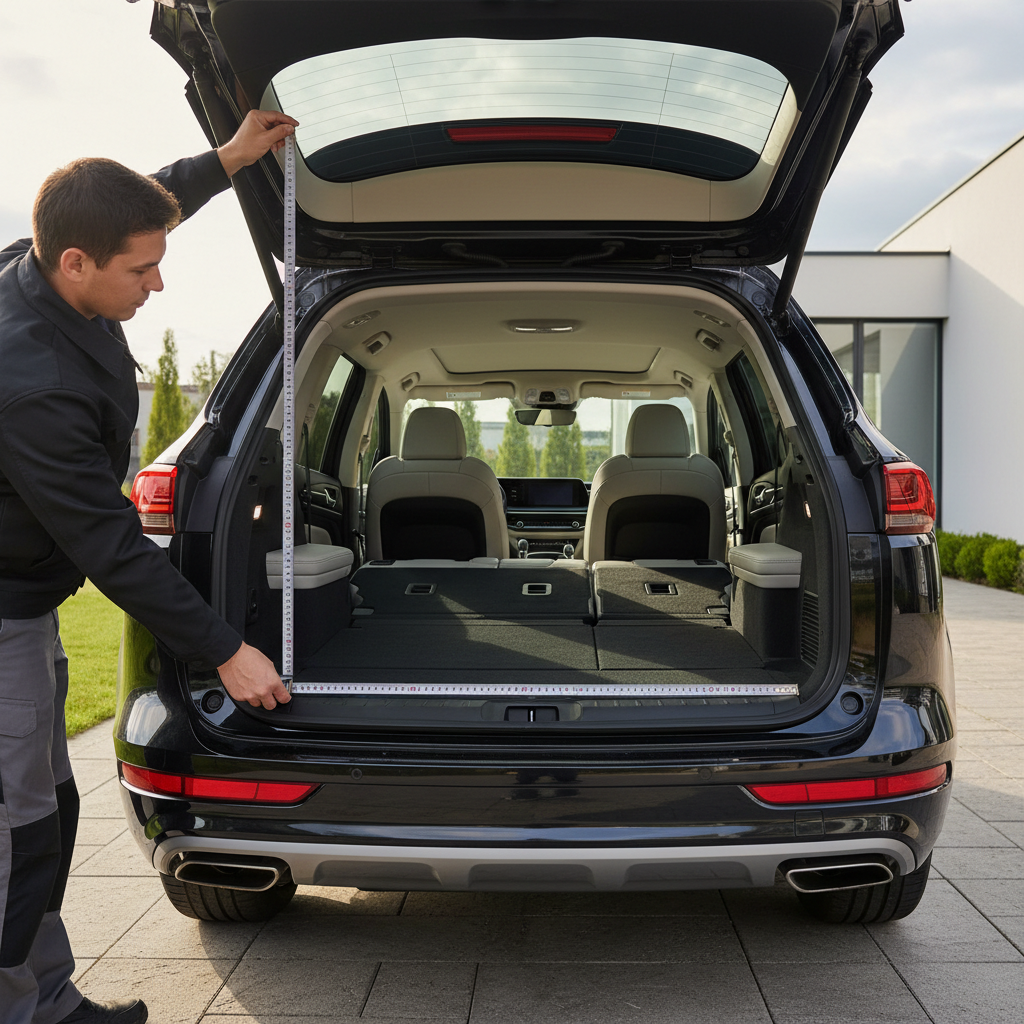
- Mounting location: behind 2nd row, or behind front seats if you fold the 2nd row often
- Width: measure at the mounting height, not just floor width (panels flare)
- Height: from cargo floor (or seat base) to headliner, also note headrest height
- Obstacles: side airbags, cargo hooks, speaker grilles, plastic trim curves
- Access needs: do you need split-seat pass-through, third-row access, or rear HVAC clearance
If your SUV has a third row, decide where the dog should ride. Many families put the barrier behind the second row and keep the third row folded, because it’s easier to clean and offers a bigger “den” space.
Comparison table: what to choose for your driving style
This is the practical filter most shoppers want. Use it to narrow down the best car pet barrier suv style for your situation, then you can shop within that category.
| Barrier type | Best for | Pros | Common drawbacks |
|---|---|---|---|
| Adjustable metal (pressure/headrest) | Mixed use, frequent removal | Fast install, fits many SUVs, usually affordable | May rattle, can slip if not tightened well, gaps on curved panels |
| Custom-fit steel (vehicle-specific) | Daily dog transport, large breeds | Rigid feel, fewer gaps, cleaner fit | Higher cost, less universal, install can take longer |
| Net/mesh/fabric divider | Calm dogs, light-duty separation | Lightweight, easy storage, minimal visual bulk | Not strong containment, can sag or tear, less effective for jumpers |
Installation tips that prevent rattles, gaps, and “escape routes”
Most barriers “fail” because of tiny setup issues, not because the product is useless. A solid install feels boring, no movement, no buzzing, no sharp edges.
- Start with clean contact points: wipe trim so rubber feet grip, dusty plastic encourages sliding
- Tighten evenly: alternating sides reduces tilt, which creates gaps your dog will find
- Eliminate the corner gap: if your SUV walls curve, consider barriers with side wings or add manufacturer-approved spacers
- Check headrest posts: if the barrier hooks there, confirm the headrest locks firmly and doesn’t wobble
- Protect trim carefully: use included pads, avoid DIY padding that can compress and loosen over time
After installation, push the barrier hard with both hands at the top corners and the center. If it shifts more than a little, expect it to shift when your dog leans into it.
Real-world buying criteria: what matters more than brand names
Brand matters, but design details matter more. If you’re aiming for the best car pet barrier suv setup in 2026, these checks usually separate “works fine” from “why is this rattling again.”
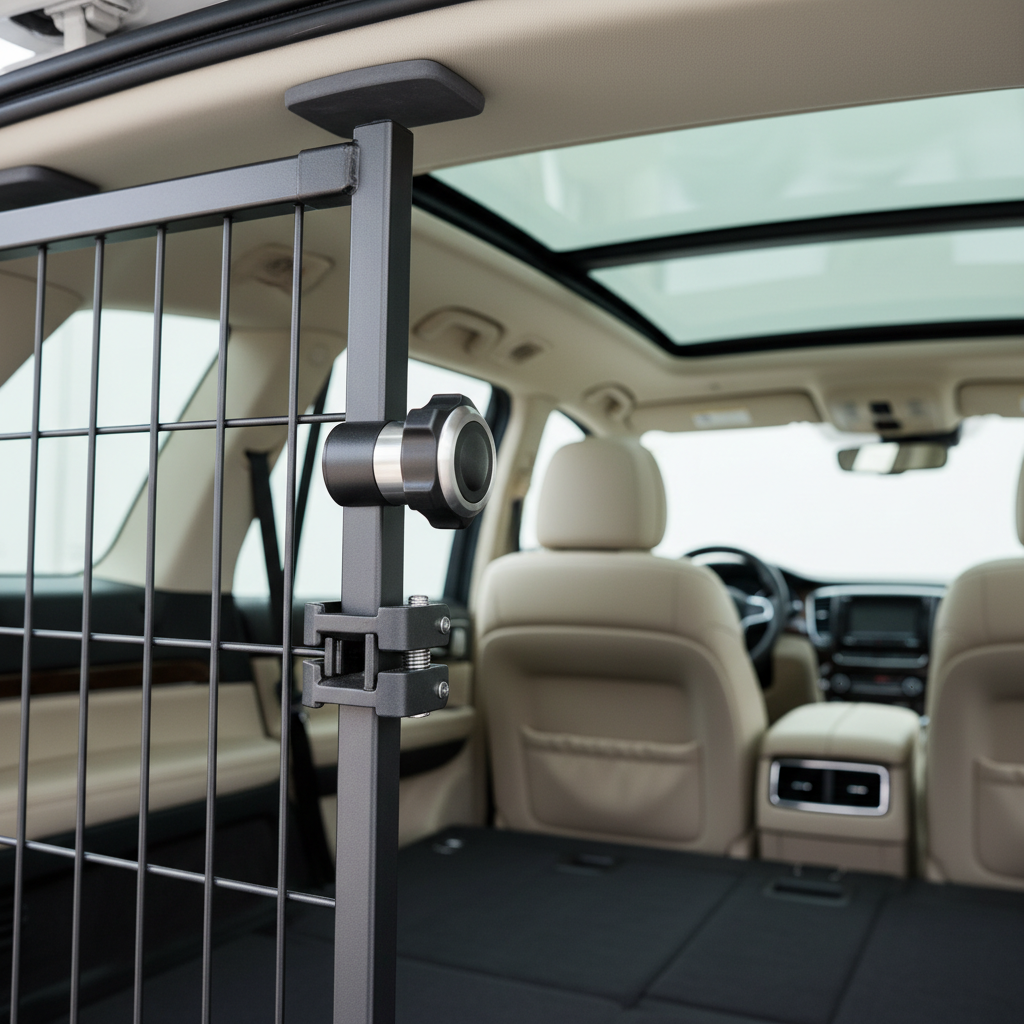
- Material gauge and weld quality: thinner wire flexes, flex becomes noise and gaps
- Adjustability range: measure against your SUV, “universal” often means “almost universal”
- Openings size: wide grids can trap paws for some dogs, especially anxious diggers
- Fold-down compatibility: if you fold seats weekly, choose a barrier that tilts or releases fast
- Rear visibility: too-dense mesh can reduce rearview clarity at night, a safety tradeoff
- Noise control: look for anti-rattle sleeves, tight joints, minimal free play
If you travel with two dogs, “width” isn’t the only issue. You’ll care about how the barrier handles lateral pressure when both dogs lean on the same side during turns.
Practical setups by scenario (what I’d do in each case)
This part is the most actionable, because it narrows your options fast without pretending one product fits everyone.
Large dog, daily commuting, lots of leaning
- Lean toward a custom-fit steel barrier or a high-rigidity adjustable metal barrier
- Minimize gaps at the sides, prioritize rigid mounting points
- Consider pairing with a cargo liner and a non-slip mat to reduce sliding energy
Family SUV, kids in the second row, dog in cargo
- Choose a barrier with smooth edges and stable corner fit to avoid kid fingers getting pinched
- Keep access in mind, you may want a pass-through or quick release
- Do a weekly tightness check, carpool chaos loosens hardware faster than you think
Weekend hikes, muddy gear, dog goes in and out often
- Adjustable metal barriers work well because they’re easy to remove for bulky cargo
- Pick designs that clean easily, fewer fabric parts that hold odor
- Add a washable seat-back protector if your dog braces against the seat
Calm small dog who just wants to join you up front
- A mesh divider may be enough, but test it with gentle pressure before trusting it
- If your dog is anxious, focus on comfort, airflow, and gradual training, not “stronger stuff”
Key takeaways, plus a simple action plan
Key points: the right barrier fits your SUV’s shape, stays quiet, and closes the gaps your dog will exploit. For many drivers, the best car pet barrier suv choice ends up being a rigid adjustable metal model, while frequent travelers with large dogs often feel better with a vehicle-specific steel barrier.
- Today: measure width and height at the exact mounting spot, decide “behind 2nd row” vs “behind front seats”
- This week: install, then do a push-test and a short test drive, tighten once more after 2–3 trips
- Ongoing: re-check knobs and contact pads monthly, especially after temperature swings
If you want the fastest win, don’t overthink brands at first, pick the barrier type that matches your dog’s behavior and your SUV layout, then shop for the best build quality and the cleanest fit you can reasonably get.
If you’re replacing an older divider and you already know your dog tests boundaries, start with rigidity and gap control, that’s where most “it didn’t work” stories begin.