
The best car transmission fluid additive is the one that matches your transmission type, your symptoms, and your fluid condition, not the one with the loudest label.
If you’re dealing with rough shifts, torque-converter shudder, noisy operation, or you just want a little extra protection for an older unit, additives can feel like a cheap shortcut. Sometimes they help, sometimes they hide a bigger problem, and sometimes they make things worse by changing friction behavior.
This guide breaks down what “transmission additive” really means, when it’s a reasonable move, and how to choose one without guessing. You’ll also get a quick checklist, a comparison table, and a safe step-by-step way to try an additive without turning a minor issue into an expensive repair.

What transmission fluid additives actually do (and what they don’t)
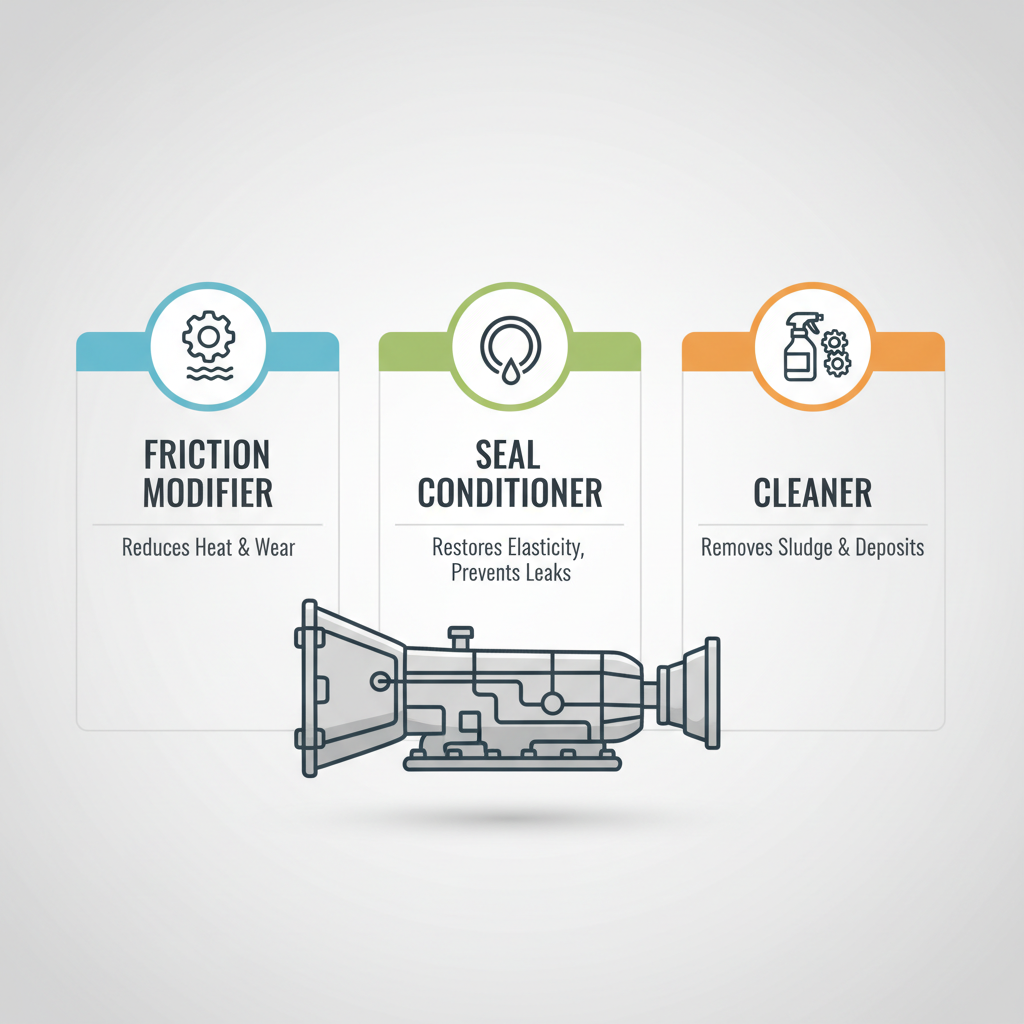
Most products sold as transmission “additives” fall into a few buckets, and each bucket solves a different problem. The mismatch is where people get burned.
- Friction modifiers: adjust how clutch packs engage, sometimes used for shudder or harsh/erratic shifts. They can help, but they can also upset carefully tuned shift feel in newer transmissions.
- Seal conditioners: aim to slightly swell or soften aged seals to reduce minor seepage. They won’t fix torn seals, worn bushings, or cracked cases.
- Detergent/cleaners: loosen varnish and deposits. This can help sticking valves, but aggressive cleaning in a neglected unit sometimes moves debris into places you don’t want.
- Viscosity modifiers: thicken fluid to reduce slip. This is usually a red flag approach, because it can mask wear while stressing pump and valve body operation.
According to SAE International (Society of Automotive Engineers) publications and general industry guidance around automatic transmission fluids, modern ATF is a tightly engineered package, friction behavior is not “generic,” and small chemistry changes can alter shift performance. The practical takeaway: treat additives as a targeted tool, not a routine habit.
When an additive makes sense vs. when it’s a bad idea
There are situations where a best car transmission fluid additive can be a reasonable experiment, especially if you’re trying to extend service life while you plan the next step. But there are also situations where an additive is basically a distraction.
Often reasonable
- Torque converter shudder on light throttle in a higher gear, especially if fluid looks okay and the issue is mild.
- Minor seepage around seals on an older unit, where you’re topping off occasionally and want to slow the leak while scheduling repair.
- Lazy shifts after overheating or heavy towing, once you’ve confirmed the fluid level is correct and the fluid isn’t burnt.
Often a bad idea
- Burnt smell, very dark fluid, or visible clutch material in the pan, these are wear signals, not “additive moments.”
- Hard mechanical symptoms like grinding, no movement in Drive/Reverse, or severe slipping under load.
- Warranty concerns on newer vehicles, because the OEM may require specific ATF and may not like chemistry changes if a claim comes up.
- CVT uncertainty: if you’re not 100% sure you have a traditional automatic, pause. CVTs can be especially sensitive to friction changes.
Quick self-check: pick the right category before you buy
Before choosing anything, you want to identify the symptom pattern. This is the part most people skip, then they blame the product when it wasn’t even aimed at the problem.
- Shudder at steady speed (often 35–60 mph): commonly points to torque converter clutch friction behavior, a friction-modifier style product may be the relevant category.
- Delayed engagement when shifting into Drive/Reverse: can be low fluid, internal leak, or wear. Additives might help only if it’s minor, but level and condition come first.
- Harsh 1–2 or 2–3 shift: could be adaptation, solenoid issues, or fluid condition. A cleaner is a riskier bet if maintenance history is unknown.
- Small red drips on the driveway: a seal conditioner can be a temporary tactic, but it won’t fix a cracked line or loose pan.
- Overheating after towing: better cooling and correct ATF usually beat additives. An additive won’t compensate for repeated heat cycling.
Key point: if you can’t describe your symptom in one sentence, hold off on “fix in a bottle.” Diagnose the basics first.
Best transmission fluid additives: how to compare options (not brand hype)
I’m not going to pretend there’s a single winner for every car, because the wrong “best” can be harmful. Instead, use the table below to shortlist the best car transmission fluid additive type for your situation, then pick a reputable product that explicitly claims compatibility with your transmission fluid family.
| Additive type | Best for | What to watch | Good first step before using |
|---|---|---|---|
| Friction modifier (shudder fix) | Torque converter shudder, mild shift flare | Can change shift feel; avoid on unknown CVT | Verify correct ATF level and no burnt smell |
| Seal conditioner | Minor seepage on older transmissions | Won’t stop major leaks; can mask a failing seal | Clean area, confirm leak source (pan, line, axle seal) |
| Cleaner / detergent | Sticky valves, inconsistent shift behavior | May loosen debris in neglected units | Consider a fluid change first if service history is unknown |
| Viscosity thickener | Short-term band-aid for slip on worn units | Can stress hydraulic control, hides real wear | Get a professional evaluation if slip is significant |
Compatibility matters more than marketing. Look for clear wording about ATF types (DEXRON/MERCON variants, ATF+4, etc.) and whether the product is intended for automatic transmissions only versus “transmission” as a vague catch-all.
How to use an additive safely (step-by-step)
Even the best car transmission fluid additive can cause trouble if you overdilute the ATF package or overfill the transmission. Take it slow.
1) Confirm the fundamentals
- Check fluid level using the correct procedure for your vehicle (some are checked hot, running, in Park; some have no dipstick).
- Look at fluid condition: bright red or light amber is usually healthier than brown/black with a burnt odor.
- Scan for codes if you have access, shift solenoid or pressure control issues won’t be fixed chemically.
2) Measure how much room you have
- If you’re at the full mark, you may need to remove a little ATF before adding anything, overfill can foam fluid and create shifting problems.
- Use the dosage on the bottle, and avoid “a bit extra for good measure.” This is chemistry, not seasoning.
3) Add, drive, then reassess
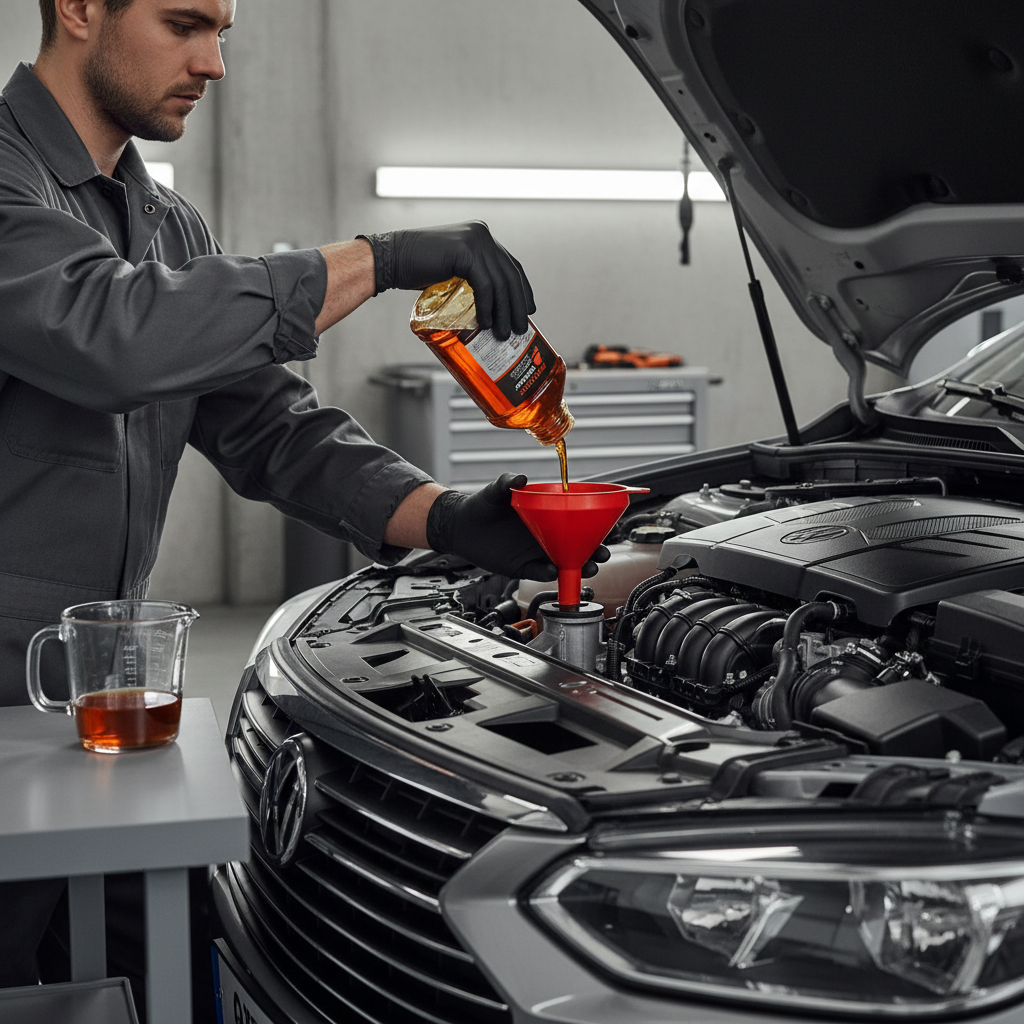
- Add the product, then drive normally through a variety of conditions for a day or two.
- Track the symptom: better, same, or worse. If worse, stop driving hard and consider draining back to the correct ATF mix, or consult a shop.
Practical tip: if your symptom improves, that’s still a signal to plan maintenance. Additives rarely replace a proper service schedule.
Common mistakes that waste money (or create new problems)
- Using an additive instead of fixing low fluid: low ATF from a leak can cause slip and heat fast, topping off with the correct fluid is usually step one.
- Ignoring the transmission type: CVT fluid and traditional ATF are not interchangeable, and “universal” claims should be read carefully.
- Mixing multiple products: stacking cleaners + friction modifiers + seal swell agents is where “mystery chemistry” starts.
- Expecting instant transformation: many changes show up over several drive cycles, especially for shudder.
- Skipping a fluid service: if fluid is old but not burnt, a drain-and-fill with the correct spec ATF often beats any bottle.
According to AAA guidance on vehicle maintenance, staying on top of fluid condition and addressing leaks early is one of the simplest ways to reduce breakdown risk. That’s not an additive endorsement, it’s the reminder that the basics tend to pay off.
When to stop DIY and talk to a transmission professional
There’s a point where experimenting becomes expensive. If any of these show up, it’s smarter to get a diagnosis from a qualified technician.
- Active slipping under moderate throttle, rising RPM with little acceleration
- Burnt fluid smell returns quickly after topping off
- Metal flakes in fluid or pan (if inspected during service)
- Warning lights and repeat codes related to pressure control, temperature, or gear ratio errors
- Harsh engagement that feels like a slam into gear, especially hot
If you’re unsure, ask the shop what they see in the fluid and whether a basic service makes sense before deeper work. Many situations are gray-area, and a good tech will talk through risk rather than promising miracles.
Key takeaways and a realistic conclusion
The best car transmission fluid additive is usually a targeted product for a specific symptom, used carefully, with expectations kept in check. If you want the biggest odds of a “good outcome,” start with fluid level, correct ATF spec, and clear symptom identification, then choose the additive category that matches.
If your transmission is already slipping badly or the fluid smells burnt, don’t bargain with chemistry, get it inspected. If your issue is mild shudder or a small seep on an older vehicle, an additive can be a reasonable short-term tool while you plan proper maintenance.
Quick action list
- Confirm transmission type and OEM fluid spec in your owner’s manual.
- Check level and condition, then decide if you need a service before any additive.
- Pick one additive category, follow dosing, and recheck results after a few drive cycles.
FAQ
What is the best car transmission fluid additive for shudder?
For many mild torque-converter shudder cases, a friction-modifier style additive is the most relevant category. It still needs to be compatible with your ATF type, and if shudder is severe or paired with codes, a shop diagnosis is the safer move.
Can a transmission additive fix slipping?
Sometimes it can reduce mild slip caused by friction characteristics or minor hydraulic sticking, but true slip is often wear-related. If RPM flares easily under load, treat additives as a temporary experiment at most, not a fix.
Is it safe to use a transmission additive in a CVT?
Usually you should be very cautious. CVTs rely on very specific friction behavior, and many additives are formulated for traditional automatics. If the label doesn’t clearly state CVT compatibility, it’s better to skip it and use the correct CVT fluid.
Should I add an additive before or after a transmission fluid change?
In many cases, after a drain-and-fill makes more sense because you start from a known baseline. If the transmission is neglected, adding a cleaner before service can be risky, because it may move debris around.
How long does it take for a transmission additive to work?
Some people notice changes within a short drive, but many improvements show up over a few drive cycles. If symptoms get worse, stop pushing the vehicle and consider reverting to straight OEM-spec ATF.
Can I use two different transmission additives together?
It’s usually not a great idea. Mixing products can compound friction changes and dilute the ATF package unpredictably, especially in newer electronically controlled transmissions.
Do additives void a warranty?
It depends on the vehicle, the warranty terms, and what fails. If the OEM requires a specific fluid and a shop finds non-approved additives, it may complicate a claim. If your car is under warranty, consider asking the dealer or using only OEM-approved service procedures.
If you’re trying to pick an additive but you’re stuck between shudder vs. shift harshness vs. a small leak, a simple next step is to write down your exact symptoms, your transmission type, and your ATF spec from the manual, then choose a product category that matches instead of buying blind.