
Best brake pad set for cars searches usually come from the same place: your brakes feel noisy, the pedal feels “off,” or you just want to do the job once and not regret it in 10,000 miles. The tricky part is that “best” depends on what you drive, where you drive, and what you can tolerate—dust, noise, rotor wear, price.
This guide helps you narrow down the right brake pad set for 2026 without getting lost in marketing terms. You’ll see how pad materials behave in real use, what to check before you order, and a short decision table that makes it easier to pick a direction.
I’ll also call out common mistakes that waste money (wrong fitment, mismatched rotors, ignoring bedding-in). If you’re aiming for safe, predictable stops and fewer surprises, that’s the through-line here.
What “best” really means for brake pads in 2026
There isn’t one universal winner, because brake pads are a compromise between stopping feel, noise, dust, rotor friendliness, and heat tolerance. A pad that feels great on a canyon road can be annoying in stop-and-go city traffic, and a super-quiet commuter pad can fade sooner if you tow.
In most cases, you’re choosing between three broad types: ceramic, semi-metallic, and organic (NAO). The “best brake pad set for cars” for you is the one that matches your driving heat and your tolerance for dust and sound, while fitting your exact trim and brake package.
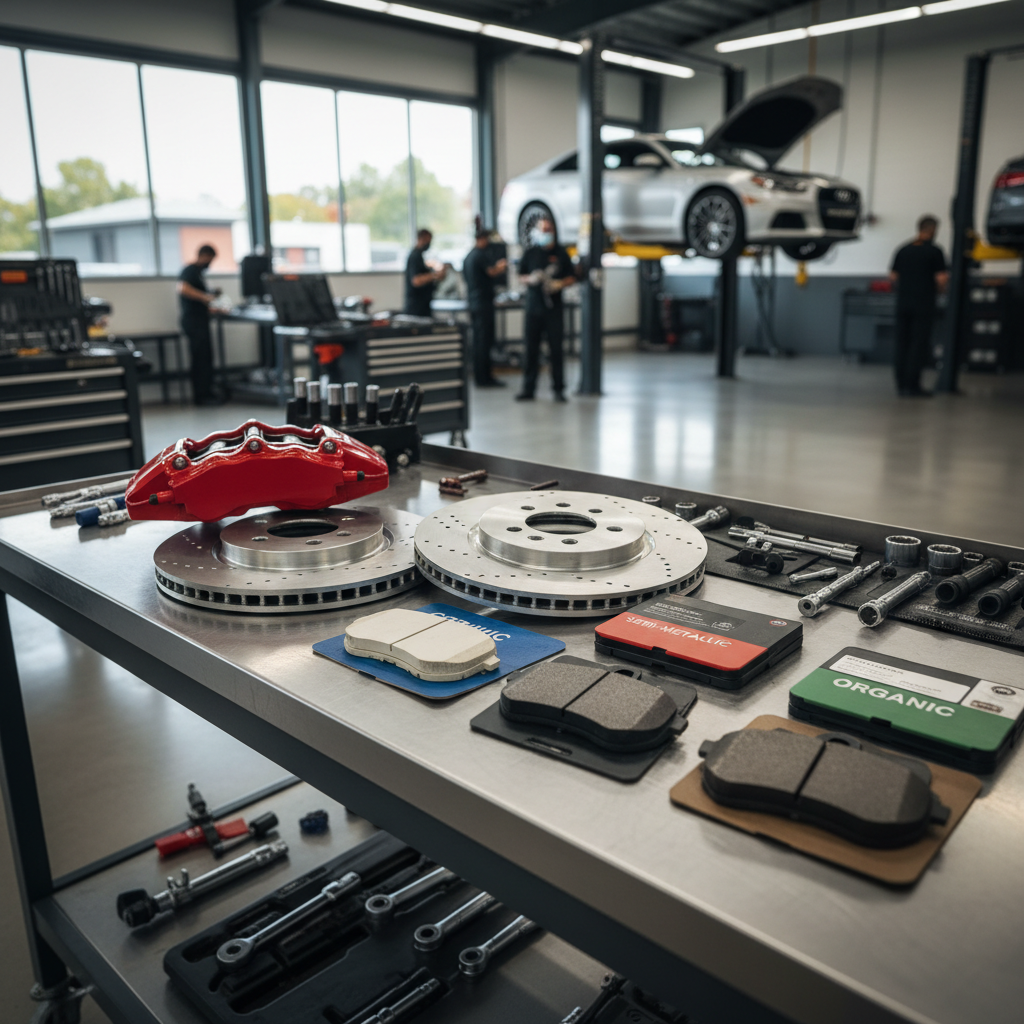
One more nuance for 2026: many late-model vehicles use driver-assist braking and stability systems that rely on consistent friction behavior. That doesn’t mean you must buy dealer pads, but it does mean you should avoid mystery pads with unclear friction ratings or missing hardware.
Brake pad materials: how they feel, sound, and wear
Marketing names vary, but material behavior stays pretty consistent. Here’s the practical version people notice after a few weeks.
Ceramic pads (common “daily driver” pick)
- Why people like them: often quieter, typically lower visible dust, smooth pedal feel.
- Trade-offs: some ceramics feel less “bitey” cold compared with aggressive semi-metallic options, and quality varies a lot by brand.
- Good fit for: commuting, family SUVs, most sedans, drivers who hate squeal and dirty wheels.
Semi-metallic pads (heat-tolerant workhorse)
- Why people like them: strong bite, handles heat better for spirited driving, hills, towing.
- Trade-offs: can be noisier, can dust more, may wear rotors faster depending on compound.
- Good fit for: trucks, performance-ish driving, mountain routes, heavier vehicles.
Organic/NAO pads (budget-oriented, gentle feel)
- Why people like them: often cheaper, usually quiet at first, gentle on rotors.
- Trade-offs: can wear faster and fade sooner under repeated hard stops.
- Good fit for: light-duty city driving, older vehicles, low annual mileage.
Quick decision table: choosing a brake pad set by driving style
If you want a fast filter, use this table as a starting point, then confirm fitment and hardware details after.
| Primary use | Recommended direction | What you’ll likely notice | Watch-outs |
|---|---|---|---|
| Quiet commuting, school runs | Ceramic (quality street compound) | Lower noise, cleaner wheels | Confirm included shims/hardware |
| City stop-and-go, rideshare | Ceramic or premium NAO | Smooth feel, less squeal risk | Cheapest pads can glaze sooner |
| Mountain driving, frequent braking | Semi-metallic (heat-capable) | More initial bite, better fade resistance | More dust/noise can happen |
| Towing or heavy loads | Semi-metallic or severe-duty street | Stronger response under heat | Rotor condition matters more |
| Performance street (not track) | Street-performance compound | Sharper bite, higher temp ceiling | Some squeal when cold is normal |
When people buy the “best brake pad set for cars” and still hate it, it’s often because they chose the wrong direction for their daily reality, not because the pads were “bad.”
Fitment and spec checks that prevent expensive returns
Brake pads are one of those parts where being off by a trim level can turn into wasted time. Before you click Buy, run this checklist.
- Exact vehicle details: year, make, model, engine, trim, drivetrain, and whether you have a towing/performance package.
- Front vs rear: don’t assume a “set” includes both axles; many listings mean one axle set.
- Rotor size and caliper type: some models have multiple rotor diameters in the same year.
- Sensor needs: some vehicles use electronic wear sensors; others use a simple squealer tab.
- Hardware included: look for shims, clips/abutment hardware, and any anti-rattle parts.
- Friction rating: if available, an SAE J866 edge code (like EE/FF/GG) is more meaningful than buzzwords.
According to NHTSA, maintaining braking systems in proper working order is a core vehicle safety responsibility. That’s a broad point, but it’s a useful reminder: if anything about your brake setup seems inconsistent with the listing, it’s worth pausing and verifying rather than “making it fit.”
How to spot quality in a brake pad set (beyond brand hype)
Brand matters, but construction details matter too. Two ceramic pads can behave very differently depending on the compound and backing plate design.
- Proper shims: multi-layer shims can help reduce squeal, especially on modern calipers.
- Chamfers and slots: these features often reduce noise and manage dust and gases, though results vary.
- Even, dense friction material: avoid pads that look crumbly, uneven, or poorly bonded.
- Coated backing plates: corrosion resistance matters in snow/salt states, rust can cause sticking.
- Included hardware kit: fresh abutment clips help the pads slide correctly, which affects noise and wear.
If you’re shopping online, look for listings that clearly state what’s in the box. Vague “premium formulation” copy with no mention of shims or hardware is a small red flag, especially if the price is unusually low.
Practical installation tips that change results (even with good pads)
Even the best brake pad set for cars can squeal or wear unevenly if the install is rushed. If you’re DIYing, consider these steps as “non-negotiables.” If a shop is doing it, these are fair questions to ask.
Before pads go in
- Inspect rotors: deep grooves, heavy lip, cracks, or blue heat spots often mean replace or resurface, depending on spec.
- Clean and lubricate contact points: use appropriate brake lubricant on slide pins and pad ears, keep friction surfaces clean.
- Check caliper hardware: stuck slide pins or torn boots can mimic “bad pads.”
Bedding-in: the step people skip, then blame the pads
Many pads need a bedding process to transfer an even layer of material onto the rotor. That affects feel and noise. Follow the pad maker’s instructions if provided, because bedding routines vary by compound.
According to Brake Manufacturers Council (a Motor & Equipment Manufacturers Association group), proper break-in helps optimize braking performance and can reduce noise complaints. If you don’t see instructions, a reputable installer may have a standard procedure, but it’s still wise to confirm.
Common mistakes when buying “the best” brake pads online
These are the traps that show up again and again, especially when someone upgrades pads without changing anything else.
- Buying for a feeling, not a use case: chasing “strongest bite” for a commuter car often invites noise and dust.
- Ignoring rotors: worn or cheap rotors can cause pulsation and uneven transfer, then the new pads get blamed.
- Mixing mismatched parts: aggressive front pads with mild rears can change balance, sometimes triggering ABS earlier.
- Skipping hardware: reusing rusty clips and expecting quiet braking is wishful thinking.
- Overusing grease: too much product, or grease in the wrong spot, can contaminate friction surfaces.
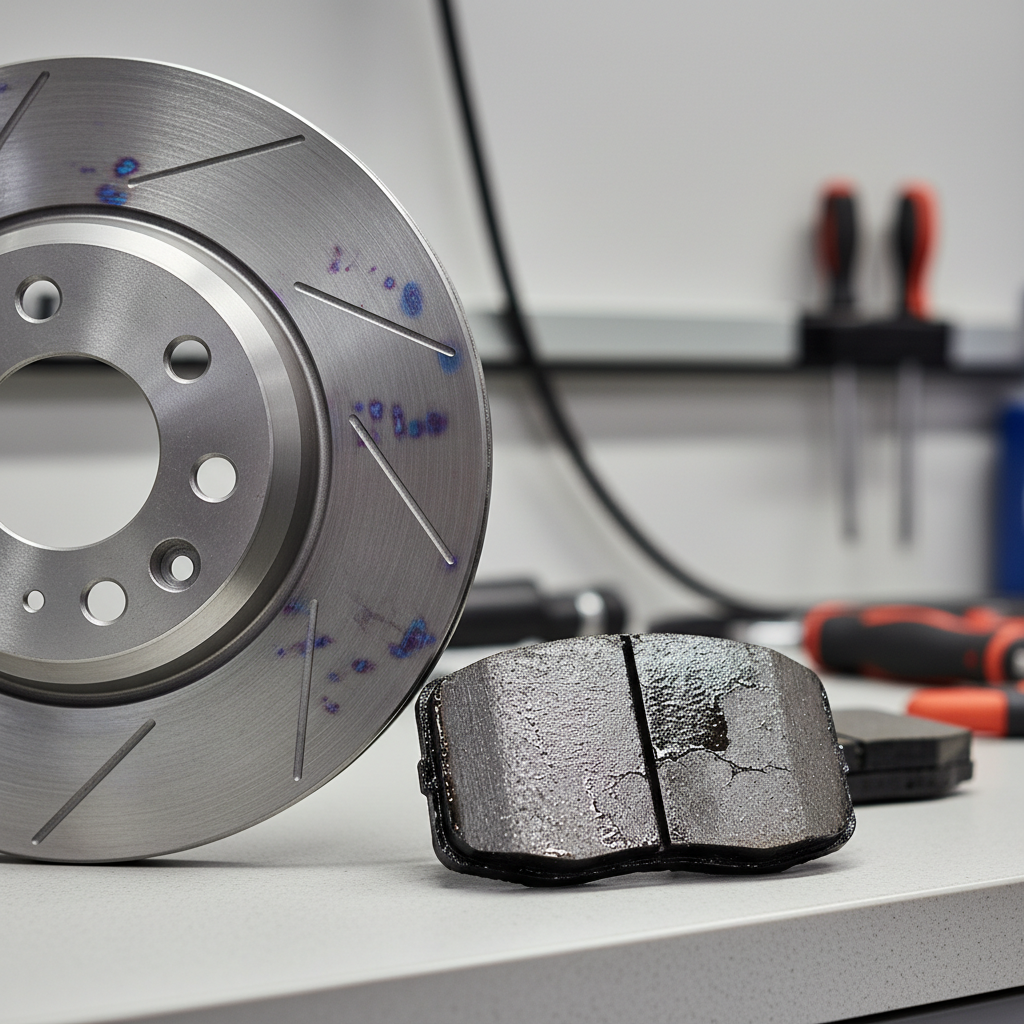
One quiet truth: sometimes the “best” move is a boring OEM-style pad with fresh hardware and good rotors. Fancy compounds can be great, but only when the rest of the system supports them.
When to get a pro involved (and what to ask)
Brakes are safety-critical, so if anything feels uncertain, getting a qualified technician involved is usually the safer call. This is especially true if you notice vibration under braking, fluid leaks, a sinking pedal, or warning lights.
- ABS/ESC lights on: could be sensor, tone ring, or hydraulic control issues, not just pads.
- Grinding noise: may indicate pad material is gone, rotor damage possible.
- Uneven pad wear: often points to sticking calipers or slide issues.
- Recent brake work still feels wrong: ask the shop to re-check torque specs, rotor runout, and bedding results.
If you’re speaking with a shop, ask what pad type they’re installing, whether new hardware is included, and whether rotors will be measured for thickness and runout. Those answers tell you a lot about the quality of the job.
Conclusion: a simple way to pick your next brake pad set
Choosing the best brake pad set for cars in 2026 comes down to matching material to heat and habits, verifying fitment details, and respecting the install steps that keep noise and wear under control. If you drive normally and value quiet, a quality ceramic set with fresh hardware is often a safe bet; if you haul, tow, or live in the hills, leaning semi-metallic can make more sense.
Action steps: confirm your exact brake package, decide your priority (quiet vs bite vs longevity), then buy from a listing that clearly includes hardware and friction specs. If anything feels ambiguous, pause and verify or ask a pro—brakes aren’t where guessing pays off.
FAQ
What is the best brake pad set for cars if I want the quietest ride?
Many drivers end up happiest with a quality ceramic street pad plus new shims and hardware, because squeal often comes from vibration and poor pad seating, not just the compound.
Are ceramic brake pads always better than semi-metallic?
Not always. Ceramics often win on noise and dust, while semi-metallic pads tend to handle repeated heat better. Your routes and load matter more than the label.
Do I need to replace rotors when I replace brake pads?
It depends on rotor thickness, surface condition, and runout. Many shops measure rotors against manufacturer specs, and may recommend resurfacing or replacement if the surface is uneven or near minimum thickness.
Why do new brake pads squeal even after installation?
Common causes include skipped bedding-in, reused rusty hardware, dry or stuck slide pins, or pad material that naturally squeals when cold. Checking hardware and following break-in guidance usually helps.
How do I know I’m ordering the correct pads online?
Match year/make/model/trim and confirm rotor size and axle position, then double-check the listing notes for brake package codes and sensor requirements. When in doubt, verifying by VIN through a parts catalog or shop is safer.
What does the friction rating (like “FF”) mean on brake pads?
It’s an SAE friction code that broadly indicates friction performance at different temperatures. It won’t tell you everything about noise or dust, but it’s more grounded than vague “premium” claims.
Can cheap brake pads be safe?
Some budget pads can work fine for light-duty driving, but quality control and included hardware vary. If the product details are thin or the price seems unrealistic, stepping up to a known standard is usually a safer bet.
If you’re trying to choose between two pad types and you’re not sure what your driving really demands, a quick fitment check plus an honest look at your routes often clears it up, and a local brake shop can confirm rotor condition before you spend money twice.