
best car roof box cargo carrier waterproof is usually the right search when you’re tired of arriving with damp sleeping bags, muddy duffels, or a box that whistles all the way down the interstate.
Here’s the tricky part, “waterproof” gets used loosely in this category. Many roof boxes handle rain just fine, but wind-driven storms, car washes, and long highway spray can expose weak seals, cheap latches, or lids that flex under load. If you pick based on capacity alone, you might end up with a box that fits gear but not your real weather.
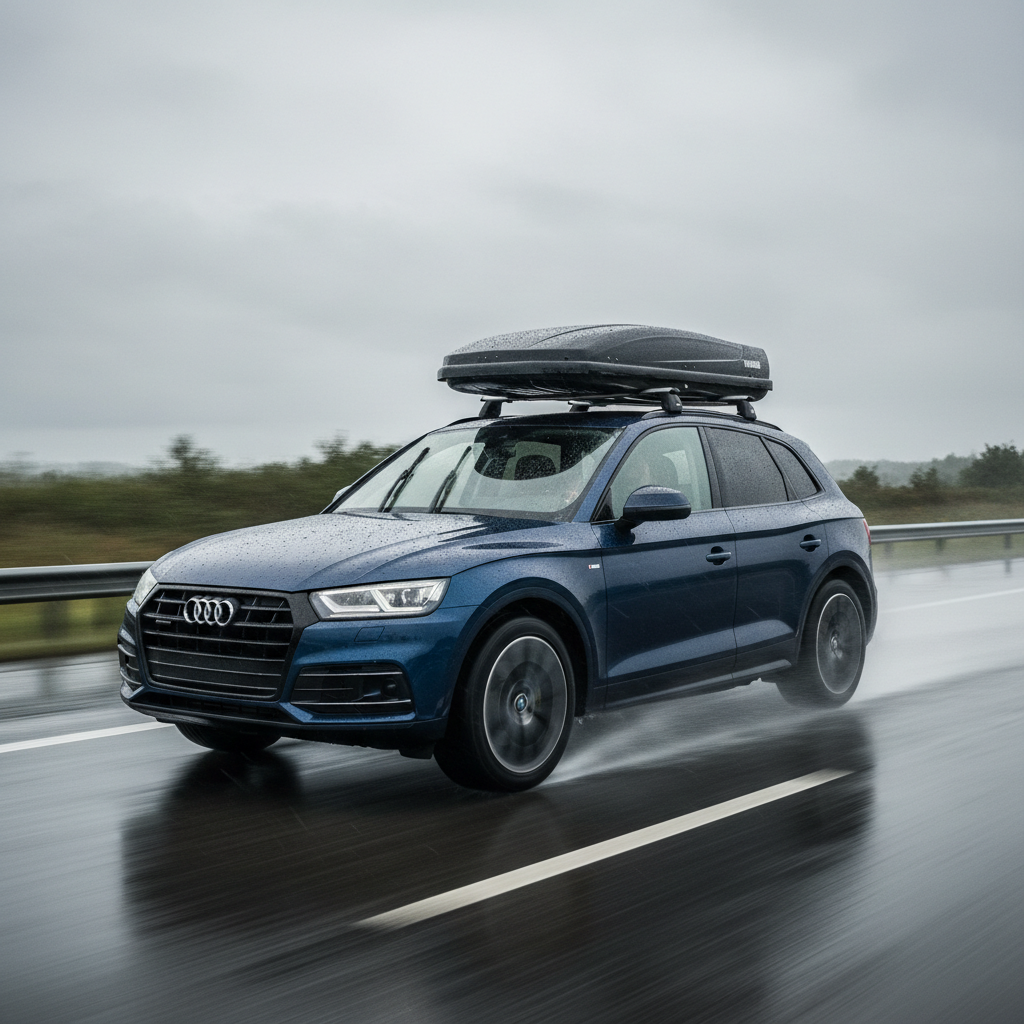
This guide focuses on what actually keeps water out, how to judge fit and usability, and how to avoid common buying traps. You’ll also get a quick comparison table and a practical checklist for choosing the right setup for your vehicle and trip style.
What “Waterproof” Really Means for Roof Boxes
Most hard-shell roof boxes are weather-resistant, not submarine-sealed. In normal rain, that’s enough. The problems show up in edge cases: crosswinds, heavy spray from trucks, or when the lid isn’t fully seated on one corner.
Key design details that matter more than marketing labels:
- Perimeter gasket quality: thicker, continuous rubber seals tend to hold up better than thin foam strips.
- Lid stiffness: a lid that flexes can momentarily break the seal at speed.
- Latch compression: the latch should pull the lid down evenly, not just “close.”
- Hinge and seam design: fewer exposed gaps typically means fewer leak paths.
According to the National Highway Traffic Safety Administration (NHTSA) guidance on vehicle loading, keeping cargo secured and within limits matters for safe handling, so it’s smart to treat “waterproof” and “secure” as the same shopping decision, not two separate ones.
Quick Comparison: What to Look For (and What It Usually Costs)
Instead of naming a single winner for everyone, this table helps you match features to how you travel. Prices vary by brand and season, so think in ranges.
| Use Case | What “Waterproof” Features Matter Most | Nice-to-Have Features | Typical Price Range (US) |
|---|---|---|---|
| Weekend trips, mild weather | Basic gasket, decent latch alignment | Dual-side opening, quick mounts | $250–$450 |
| Long road trips, mixed weather | Thicker perimeter seal, rigid lid, tight lock system | Internal tie-down points, torque-limited clamps | $450–$800 |
| Snow sports, salted roads | Corrosion-resistant hardware, reliable latch compression | Matte finish that hides scuffs, easy-clean interior | $600–$1,100 |
| High-speed highway driving (noise sensitive) | Stiff shell and stable mounting to reduce lid flutter | Aerodynamic nose, low-profile height | $550–$1,200 |
How to Tell If a Roof Box Will Stay Dry on Your Car
A lot of “leak complaints” come from fit and install, not the box alone. Before you buy, try to answer these questions honestly.
Fast self-check checklist
- Your crossbars: Are they factory bars, aftermarket aero bars, or square bars? Some clamps seal and sit better on certain shapes.
- Rear hatch clearance: If the box must be mounted too far forward to clear the hatch, you might lose stability and increase wind noise.
- How often you’ll open it: Single-side opening is fine until you load curbside in a tight hotel lot.
- Where you drive: Coastal storms and mountain snow melt create different “water patterns” than light rain.
- What you carry: Soft goods tolerate small moisture better than electronics or camera gear.
If you’re routinely in heavy weather, it’s reasonable to prioritize a box with a more rigid lid and a well-designed locking system, even if the stated “liters” is slightly smaller.
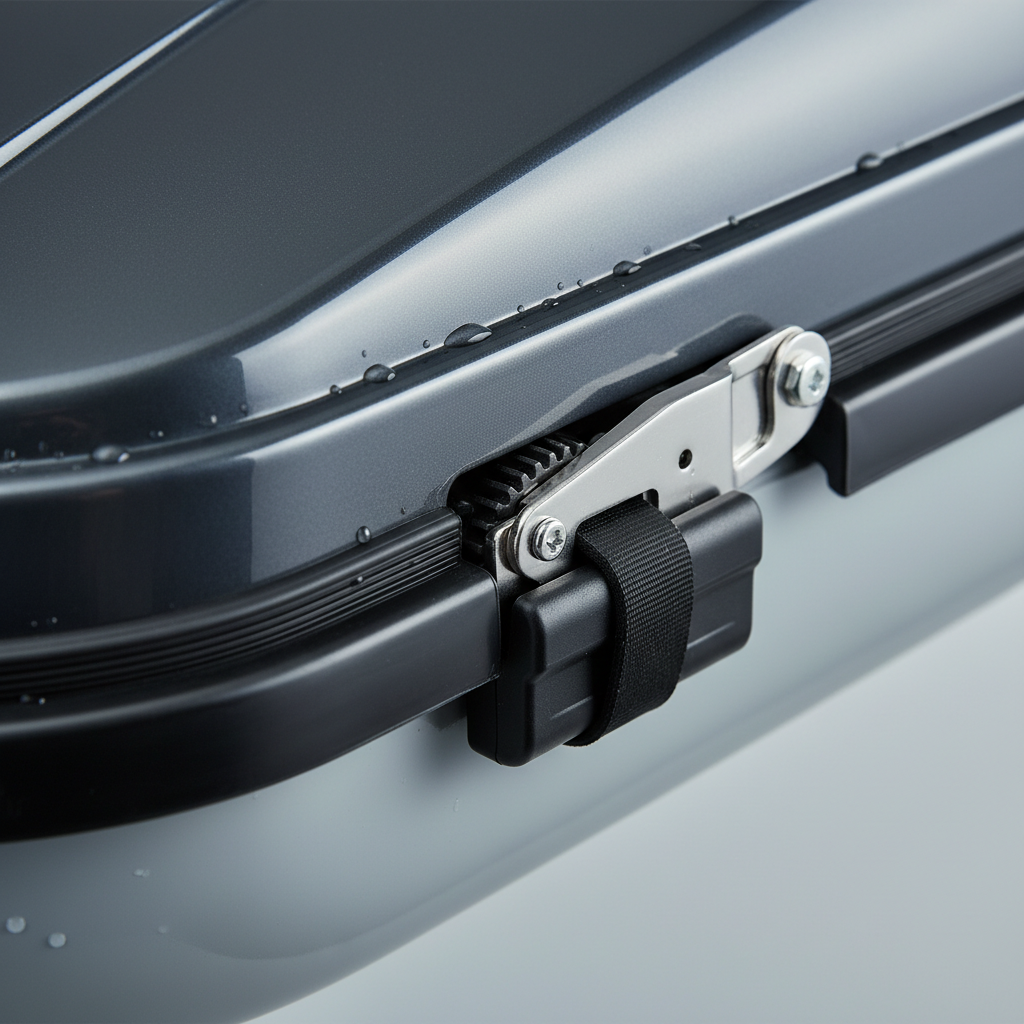
One more reality check, if a manufacturer says “waterproof,” look for specifics like gasket type, lock points, and material stiffness, not just a bold badge on the product page.
Choosing the Right Size Without Creating Noise or Handling Problems
Bigger isn’t automatically better. Oversized boxes can add wind noise, reduce MPG, and increase sensitivity to crosswinds. That doesn’t mean you shouldn’t go large, it just means you should match length and height to your vehicle and habits.
Practical sizing rules that work in most cases
- Measure your usable bar spread (front-to-rear distance between crossbars), then compare to the box’s mounting range.
- Keep the lid low when possible: a lower profile often rides quieter and puts less stress on mounts.
- Match length to gear: skis, fishing rods, and camp chairs need length more than height.
- Mind your garage life: if you park in a garage, a tall box can become a daily annoyance.
According to the U.S. Department of Transportation (Federal Highway Administration), over-height vehicles and loads can create safety issues around structures and clearances, so it’s worth building “what’s my max height with the box on” into your routine.
Installation Tips That Improve Water Resistance (Most People Skip These)
Even the best car roof box cargo carrier waterproof claims can fall apart if the box shifts or the lid doesn’t close evenly. A careful install does more than prevent theft, it helps the seal do its job.
- Center the box, then check latch alignment: close it gently and confirm each latch engages with similar resistance.
- Torque evenly: if your mounts have knobs, tighten in small steps across mounts to avoid twisting the base.
- Re-check after 10–15 minutes of driving: mounts can settle, especially on new bars.
- Keep the gasket clean: grit and pine needles create micro-gaps where water sneaks in.
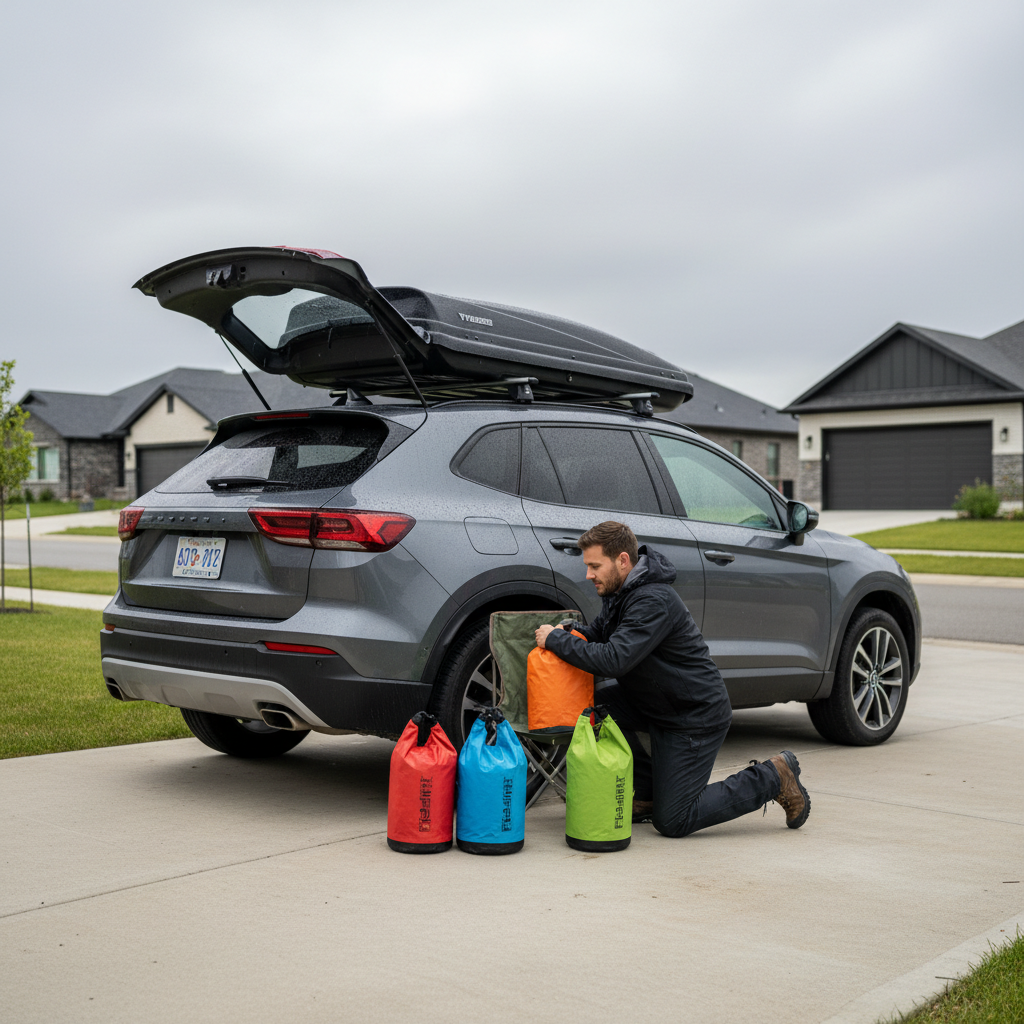
If you expect heavy rain, pack with a second line of defense. Dry bags or contractor trash bags inside the box are cheap insurance, especially for clothes and sleeping gear.
Common Mistakes When Shopping for a “Waterproof” Roof Box
This is where people burn money, not because they chose a “bad” brand, but because they bought the wrong features for their use.
- Confusing waterproof with “no condensation”: temperature swings can create moisture inside, even if no rain enters. Venting and packing strategy matter.
- Assuming locks equal seal pressure: some locks deter theft but don’t apply much compression on the lid perimeter.
- Ignoring bar compatibility: universal clamps exist, but “fits” isn’t the same as “stable.”
- Overloading: extra weight can flex the lid or base and compromise the seal in certain spots.
Also, don’t “fix” a leak by adding random foam tape everywhere. Sometimes it helps, sometimes it prevents proper closure and makes the problem worse.
When you see reviews complaining about water, try to read between the lines. If most complaints mention one corner, it often points to mounting twist or a latch that doesn’t pull down evenly.
When It’s Worth Getting Professional Help
If you’re unsure about roof load limits, mounting hardware, or you notice your vehicle handling feels “floaty” at speed, it’s reasonable to ask an installer or a trusted shop to check your setup. That’s especially true for smaller cars, older crossbars, or vehicles with panoramic roofs where mounting points can be more sensitive.
For safety questions or load guidance, your owner’s manual usually offers the most reliable baseline, and a professional can help confirm fitment. If anything seems off, like cracks in bars or mounts that won’t stay tight, stop using the setup and consult a qualified technician.
Conclusion: How to Pick a Waterproof Roof Box Without Regret
The “right” waterproof roof box is the one with a solid seal design, a stiff lid, and mounting that stays stable on your specific crossbars. If you only do light rain, you can focus on usability and size. If you drive through storms or carry gear that can’t get damp, prioritize seal quality and latch compression, then back it up with dry bags inside.
If you want a simple next step, measure your crossbar spread and rear hatch clearance today, then use the checklist above to shortlist two or three boxes that match your weather and packing style. That one small step prevents most buying mistakes.
FAQ
Is a hard-shell roof box truly waterproof in heavy storms?
Many handle heavy rain well, but “truly waterproof” depends on seal quality, lid stiffness, and correct mounting. Wind-driven rain and highway spray are the usual stress tests.
How can I test water resistance after installation?
Close and lock the box, then use a gentle hose rinse over seams and latches, avoiding high-pressure angles that mimic a pressure washer. Afterward, check corners and the front edge where wind pressure tends to build.
What’s better for rain: roof bag or roof box?
Hard boxes typically resist weather better and protect against impacts. Soft roof bags can work, but they rely more on perfect strapping and fabric condition, and they can flap at speed, which may encourage water entry over time.
Why do I get moisture inside even if it doesn’t leak?
Condensation is common when warm gear goes into a cooler box or you drive from humid to cold conditions. Packing dry items in sealed bags and letting wet gear air out before loading often helps.
Do I need to seal the seams with silicone or tape?
Usually no, and it can cause fit issues. If you have a persistent leak, first verify mounts and latch alignment, then check the gasket for debris or damage. If the gasket is worn, replacing it is often more effective than adding extra material.
How much weight can I put in a roof box?
It varies by vehicle roof rating, crossbars, and the box itself. Your owner’s manual and bar manufacturer specs should guide you, and staying under the lowest rated component is the safer approach.
Will a bigger roof box always be louder?
Not always, but tall boxes and blunt shapes tend to generate more wind noise. Placement matters too, sometimes moving the box slightly back (while keeping hatch clearance) reduces turbulence.
If you’re trying to choose the best car roof box cargo carrier waterproof option without getting stuck in spec sheets, it can help to list your “worst weather” scenario and your most common gear, then shop for seal design and mounting stability first, size second, because that’s what keeps trips comfortable.