
best car dashboard mat to prevent sun glare usually means one thing: you want fewer windshield reflections so your eyes stay relaxed and the road stays easier to read.
Glare is sneaky because it feels like a “lighting problem,” but in many cars it’s also a surface problem, shiny dashboards and steep windshield angles can bounce sunlight straight back at you.
This guide breaks down what actually reduces glare (mat material, texture, fit, and color), how to tell what your car needs, and how to choose a mat that won’t create new hassles like slipping, curling, or blocking airbags.

Why dashboard glare happens (and why a mat helps)
Dashboard glare is basically light bouncing off a surface into your eyes through the windshield. The smoother and shinier the dash, the more it acts like a mirror, especially when the sun is low or hitting at an angle.
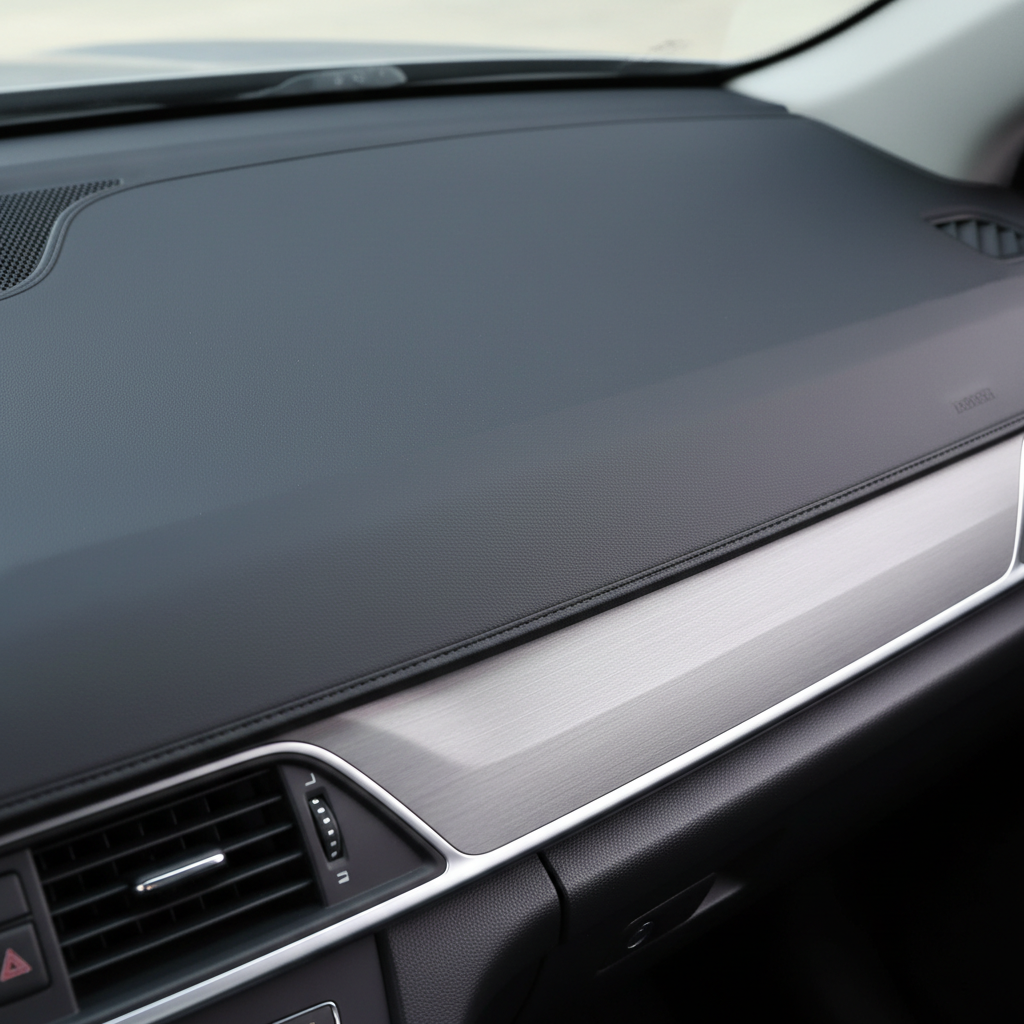
In a lot of vehicles, the dash top has a semi-gloss finish that looks great in a showroom but can be harsh in real midday driving. A well-chosen mat changes that surface into a darker, textured, light-absorbing layer.
According to the National Highway Traffic Safety Administration (NHTSA), keeping a clear view of the roadway is central to safe driving; glare can interfere with visibility, so reducing reflections is a practical safety move, not just a comfort upgrade.
- Texture matters: a matte, slightly rough surface diffuses light instead of reflecting it.
- Color matters: darker and truly matte finishes tend to reflect less.
- Fit matters: gaps and raised edges can create bright “hot spots” or distract in your peripheral vision.
What to look for in the best glare-reducing dashboard mat
There isn’t one universal “best,” because dashboards vary a lot. But the mats that perform well against reflections tend to share a few traits, and you can check them quickly when shopping.
Material and finish: matte beats glossy
For glare, you want a matte top layer that stays matte after heat cycles. Some cheap mats look fine at first, then get shiny where hands, cleaning products, or heat polish the surface.
- Suede-like (microfiber/velour-style) tops: typically strong at light absorption, feels “soft matte.”
- Textured rubber or silicone: can work well if the texture is fine and not reflective.
- Carpet-style fabric: reduces glare but may trap dust and pet hair more.
Thickness and stiffness: it should lay flat
Too thin and it can ripple; too stiff and it may lift at curves. Heat matters too, the best car dashboard mat to prevent sun glare is the one that still lies flat after a week of hot parking.
Anti-slip backing that doesn’t get greasy
You want grip without goo. Some backings rely on a tacky feel that can migrate, especially if you use dressings on your dash. A stable, non-oily backing tends to stay put with less mess.
Cutouts and compatibility (airbags, sensors, HUD)
Modern cars hide a lot in the dash top: passenger airbags, sun sensors, speakers, and sometimes a head-up display area. A mat that covers or bunches near these areas can be annoying at best and risky at worst.
- Look for vehicle-specific patterns when possible.
- Avoid mats that overlap airbag seams or sit tightly over them.
- If you have a HUD, confirm the mat is designed to leave that zone clear.
Quick self-check: do you need a mat, or a different fix?
Before buying, it helps to pin down the main cause. Glare can come from several places, and a mat is most effective when the dash itself is the culprit.
- If glare changes when you cover the dash with a dark towel, a mat will likely help.
- If glare looks like a hazy bloom, your windshield may have film or micro-scratches that need cleaning or professional attention.
- If glare worsens at night with oncoming headlights, check your windshield condition and consider an eye exam if it feels unusually intense.
- If glare is mostly off the hood, a dash mat won’t solve it, you’re looking at paint/angle/light, not interior reflections.
Comparison table: common dashboard mat types for sun glare
Here’s a practical way to compare options. Your “best” choice depends on what you value most: maximum glare reduction, easier cleaning, or the most OEM-looking fit.
| Type | Glare reduction | Heat performance | Cleaning | Best for |
|---|---|---|---|---|
| Suede-like dash cover | High | Usually good | Vacuum/spot clean | Drivers who hate reflections and want a “non-shiny” look |
| Textured rubber/silicone mat | Medium–High | Varies by brand | Wipe clean | Easy-care setup, moderate glare issues |
| Carpet-style dash cover | Medium | Can hold heat | Vacuum often | Budget option, older vehicles |
| Reflective “heat shield” dash cover | Low (can worsen) | May reduce dash heat | Wipe clean | Not recommended when glare is the main problem |
How to choose and install a dashboard mat (so it actually works)
The biggest disappointment with a glare mat is when it slides, curls, or doesn’t match the dashboard shape. A little prep avoids most of that.
Step 1: pick the right size and pattern
Vehicle-specific mats generally perform better because they cover the reflective areas without creating visual clutter. Universal mats can still help, but you may spend time trimming and re-positioning.
- Measure dash width and depth, especially near the windshield base.
- Check for sensor bumps, speaker grilles, and airbag seams.
- Prefer a matte black or charcoal finish over anything satin or shiny.
Step 2: clean the dash like you mean it
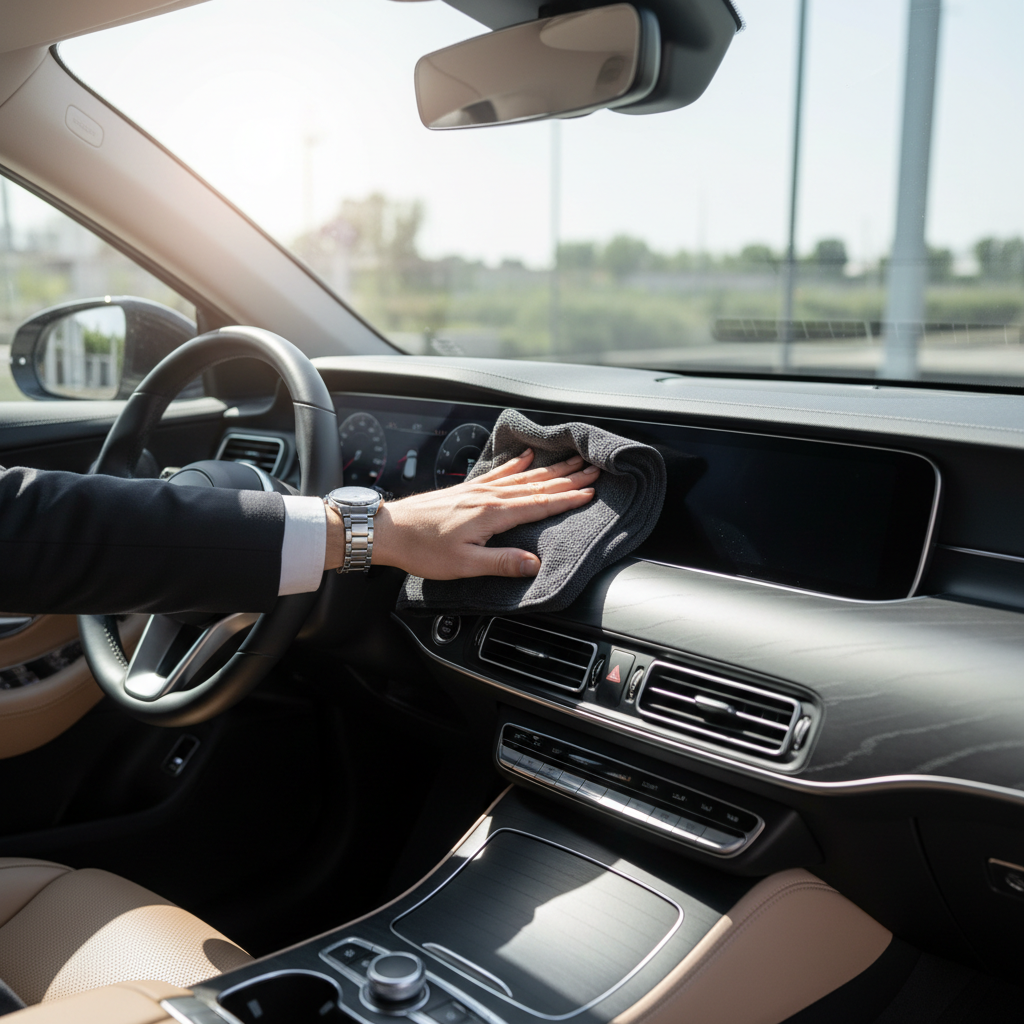
Dust, oily protectants, and silicone dressings reduce grip and can cause shiny patches. Use a mild interior cleaner and a microfiber towel, then let the surface dry fully before laying the mat down.
Step 3: set it in heat, then re-seat
Many mats settle better once warm. Park in the sun for a short time, then re-press the edges so the mat conforms to curves. If the mat includes hook-and-loop dots or tabs, use them sparingly, too many can look messy and make removal annoying.
Step 4: do a quick safety check
- Confirm the passenger airbag seam is not covered or restricted.
- Make sure defrost vents are clear so airflow stays consistent.
- Verify nothing blocks your view of the instrument cluster.
Common mistakes that make glare worse
Some “fixes” feel intuitive but backfire. If you’re chasing the best car dashboard mat to prevent sun glare, these are the traps I see most often in product choices and setup.
- Buying a mat with a satin sheen: it may look premium, but it can still reflect.
- Using glossy protectants on the dash or the mat: they can create bright streaks right in your sightline.
- Ignoring windshield cleaning: interior haze can scatter light and mimic dashboard glare.
- Letting edges curl: curled edges catch sunlight and become distracting.
- Covering sensors: some cars use dash sensors for auto headlights or climate control, coverage can cause odd behavior.
Extra ways to reduce sun glare (when a mat isn’t enough)
A mat is a strong first move, but glare can be a multi-source problem. If you still struggle, consider stacking a few low-effort improvements.
- Clean the windshield inside and out: use an ammonia-free glass cleaner and a dedicated glass microfiber.
- Check your wipers and windshield condition: worn wipers can leave residue that increases scatter.
- Use quality polarized sunglasses (if appropriate for you): they often reduce reflected glare, but some displays may look dimmer.
- Adjust seating position: small height changes can shift reflection angles noticeably.
- Consider legal window tint: tint rules vary by state, so verify local requirements before installing.
According to the American Academy of Ophthalmology (AAO), glare sensitivity can be associated with vision conditions; if glare feels unusually intense or sudden, it may be worth discussing with an eye care professional.
Key takeaways and a practical recommendation
If your dash reflection is the main issue, prioritize a matte, textured surface and a vehicle-specific fit, those two details typically matter more than brand slogans. A suede-like finish often performs well for reflection control, while rubber/silicone wins on wipe-clean convenience.
- Start with a simple test: cover the dash with a dark cloth and see if glare drops.
- Choose matte over “premium shine”, especially on light-colored interiors.
- Install clean and flat, then re-seat after the mat warms up.
If you want the most predictable result, buy a model-specific mat designed for your exact year, make, and trim, install it on a clean dash, and pair it with a properly cleaned windshield for the best overall visibility.
FAQ
What material is best for a dashboard mat to prevent sun glare?
In many cars, suede-like microfiber or velour-style tops reduce reflections well because they absorb light instead of bouncing it back. A matte, finely textured rubber can also work, as long as it stays non-glossy in heat.
Will a dashboard mat damage my dashboard?
Most quality mats are designed to sit on top without harming the surface, but residues from oils, dressings, or aggressive adhesives can be a problem. If the kit uses hook-and-loop or adhesive dots, use the minimum needed and follow the maker’s instructions.
Do dashboard mats help with heat and cracking too?
They can help by reducing direct UV exposure and keeping the dash surface from baking as intensely, but results vary by material and parking conditions. If cracking is your concern, shade and sunshades still matter.
My glare is worse at night, is a dash mat still the right fix?
Sometimes, but night glare often points to windshield haze, scratches, or vision factors. Try cleaning the inside glass first; if the issue persists or feels sudden, consider an eye exam for personalized guidance.
Can I use a dashboard cover if my car has a passenger airbag?
Usually yes, but you should avoid any cover that overlaps the airbag deployment seam or restricts it. If you’re unsure where the seam is, check your owner’s manual or ask a qualified installer.
How do I stop a dashboard mat from sliding?
Clean off oily protectants, let the surface dry, then warm the mat so it conforms. If it still shifts, a few small non-permanent grip points can help, but avoid messy adhesives near vents and seams.
Is a lighter-colored mat better because it stays cooler?
Sometimes it may feel cooler to the touch, but lighter colors can reflect more light back into the windshield. If glare reduction is priority one, a darker matte finish tends to be the safer bet.
If you’re trying to pick between a few options and want a more “no-guesswork” choice, look for a vehicle-specific, matte-texture dashboard mat with clear cutouts for sensors and vents, it’s usually the most straightforward path to less glare and fewer fit headaches.