
Best car seat gap filler to stop items falling usually comes down to one thing, does it actually fit your seat-and-console gap without getting in the way of your seat belt buckle, shifter, or seat movement.
If you drive in the US, you probably know the “car seat black hole”, your phone slides off the seat, disappears next to the console, and you end up fishing for it at the next stoplight. It’s annoying, but it can also tempt people to reach while driving, which is a distraction nobody needs.
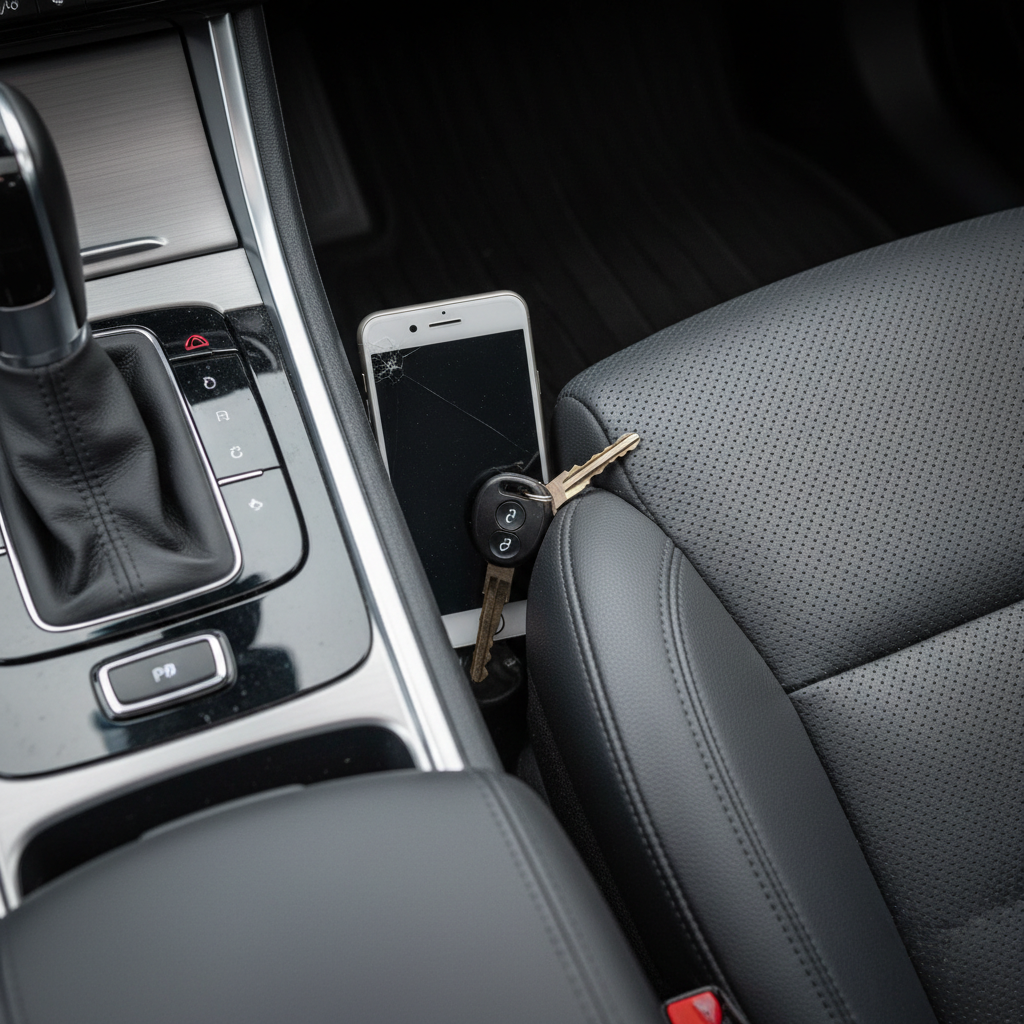
This guide helps you pick a gap filler that matches your vehicle layout, your daily habits, and your expectations. I’ll also call out common fit mistakes, plus when a “filler” is the wrong answer and a different organizer works better.
What a car seat gap filler does (and what it doesn’t)
A seat gap filler blocks the space between your seat and center console, so small items don’t drop into the crevice. Some versions also add a pocket or tray, but the core job is simple: stop the fall.
What it doesn’t do is magically secure everything. If you toss loose coins and pens around, you may still end up with clutter. A filler reduces loss and distraction, it doesn’t replace a tidy console or a closed storage bin.
- Best for: phones, keys, earbuds, parking cards, lip balm, small tools
- Not ideal for: tall drink bottles, heavy objects that can become projectiles
- Fit reality: most cars have uneven gaps front-to-back, so “one size fits all” is sometimes optimistic
Why items keep falling in the first place
People blame “wide gaps,” but it’s usually a mix of seat position, console shape, and what you carry.
- Seat moves, gap changes: if you share the car, the gap width can change every time someone adjusts the seat.
- Console height mismatch: some center consoles sit lower than the seat cushion edge, creating a ramp for phones to slide down.
- Smooth upholstery: leather and some synthetic materials let items skate toward the edge.
- Charging cables: a cable can “pull” a phone toward the gap as you turn or brake.
According to NHTSA, distracted driving is a serious safety concern, and reaching for a dropped phone is a classic distraction pattern. A gap filler won’t solve distraction by itself, but it can remove a common trigger.
Quick self-check: will a gap filler work in your car?
Before you buy anything, take 60 seconds and check these points. This saves you from the common “it arrived, but it doesn’t fit” headache.
Fit checklist
- Measure the gap width: use a tape measure or even a folded index card. Many fillers handle moderate gaps, but extra-wide spaces may need a wider foam block or a different product.
- Check seat belt buckle clearance: if the buckle stalk sits tight to the console, a bulky filler can press on it or make buckling annoying.
- Confirm seat track movement: slide the seat forward/back and recline a bit. Anything wedged too tightly can shift or rub.
- Look for power seat controls: side buttons near the gap area can be blocked by tall filler edges.
- Note console controls: some vehicles have drive mode knobs, parking brake switches, or storage lids that open into the gap zone.
If two or more items above look “tight,” you may still find the best car seat gap filler to stop items falling, but you’ll want a slimmer type or a model designed to anchor around the seat belt buckle.
Types of seat gap fillers (pros, cons, who they suit)
There are a few common styles on the market. They’re not equal, and the “best” choice depends on how picky you are about fit, looks, and cleaning.
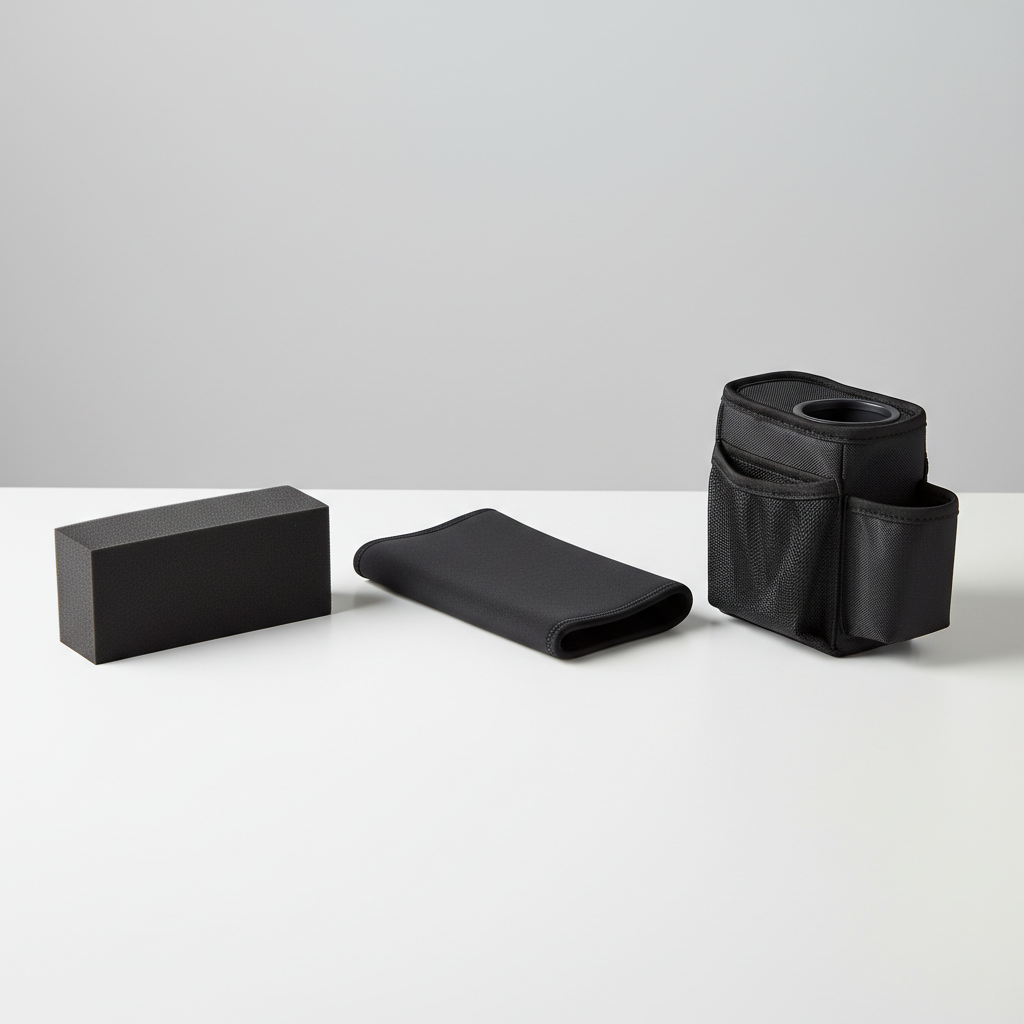
Foam block fillers
What they are: dense foam wedges that compress to fit the gap.
- Pros: inexpensive, quick install, decent for irregular gaps
- Cons: can look “aftermarket,” may soak odors/spills over time, sometimes shifts when seats move
- Good match for: older cars, rideshare drivers who want a fast, low-cost fix
Neoprene or fabric “sleeve” fillers (often with a hole for the belt buckle)
What they are: flexible pieces that sit in the gap and can anchor around the seat belt buckle stalk.
- Pros: cleaner look, usually stays in place better, easier to wipe down
- Cons: may not fill very wide gaps, some fabrics attract lint
- Good match for: daily commuters who want something that blends in
Harder organizers with pockets/trays
What they are: structured plastic or leatherette organizers that fill the gap and add storage.
- Pros: adds usable storage, can hold a phone upright, reduces console clutter
- Cons: highest chance of interference with buckle/seat controls, can rattle on rough roads, fit is more vehicle-dependent
- Good match for: people who always carry multiple small items and want a “place” for them
Comparison table: choosing the best option for your needs
This is a practical way to narrow your choice without overthinking it.
| Type | Best for | Fit tolerance | Cleaning | Common risk |
|---|---|---|---|---|
| Foam block | Stopping drops on a budget | High (compressible) | Medium (can absorb spills) | Shifting over time |
| Neoprene/fabric sleeve | Everyday use, “factory” look | Medium | High (wipeable) | Too slim for wide gaps |
| Organizer pocket/tray | Extra storage + drop prevention | Low to medium | High (wipeable) | Interfering with buckle/seat controls |
What to look for when buying (details that matter)
Most listings focus on looks, but long-term satisfaction tends to come from a few boring details.
- Gap range: check the stated width range, then compare to your measurement. If you’re in between sizes, slightly larger and compressible often works better than slightly small.
- Seat belt compatibility: buckle-stalk cutouts or “wrap-around” designs reduce slipping and reduce annoyance when buckling.
- Material behavior: foam compresses, neoprene flexes, hard organizers demand precision. Pick based on how much you adjust the seat.
- Color match: black is safest, but gray/tan can look more integrated if your interior is light.
- Edge profile: softer edges feel better against your leg and are less likely to squeak.
If your main goal is the best car seat gap filler to stop items falling, prioritize stable fit and buckle clearance over extra pockets. The fancy organizer only feels “best” when it doesn’t annoy you on day three.
Installation: a simple setup that avoids the usual mistakes
Most fillers install in under a minute, but a couple small checks prevent the frustrating re-do.
Step-by-step
- Start with the seat centered: set your normal driving position, then install. If you install with the seat slid far back, it may shift when you move it forward later.
- Insert from the front edge: push the filler down gently, then slide it back along the gap to even it out.
- Test the buckle: buckle and unbuckle twice. If your knuckles scrape the filler, you’ll hate it later.
- Cycle the seat: move forward/back and recline slightly, listening for rubbing or squeaks.
- Do a quick drive test: a few turns and a couple stops, then re-check that it stayed put.
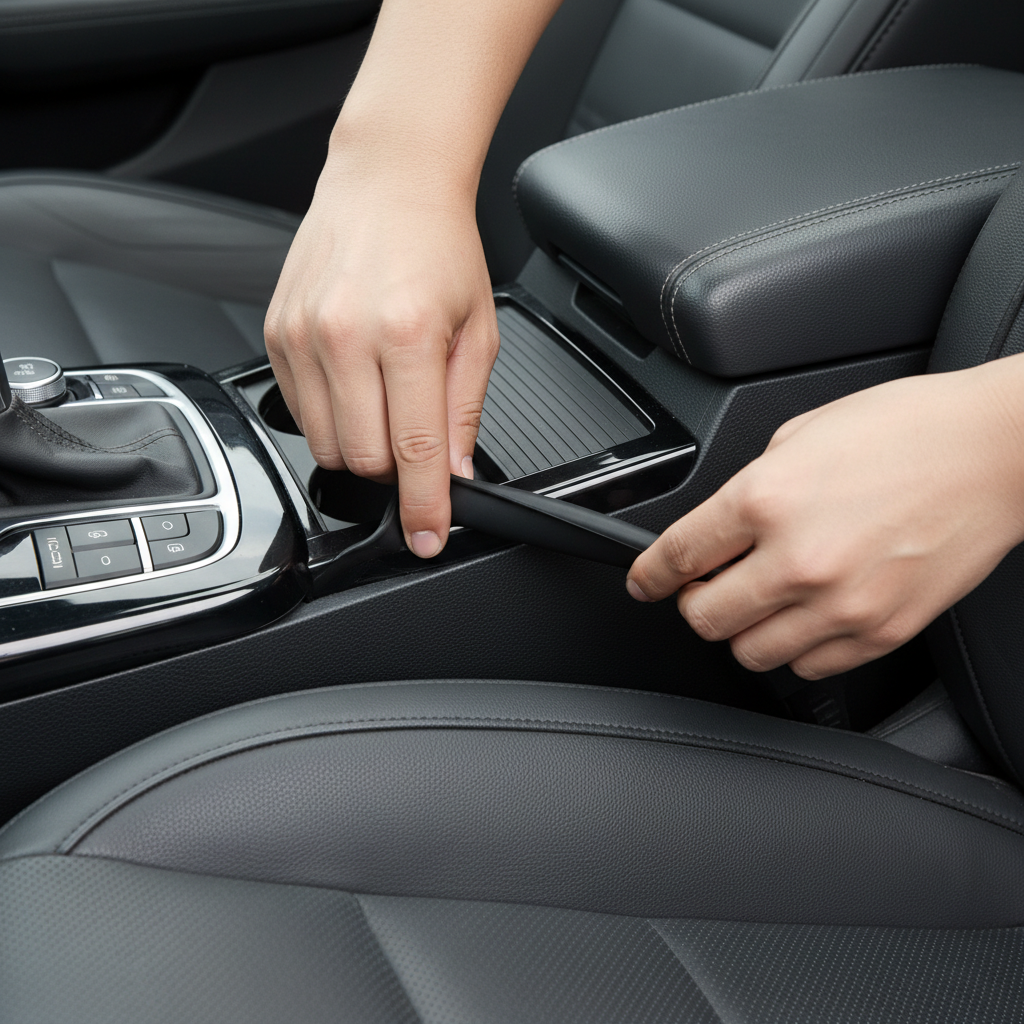
Key point: if a filler forces the buckle to tilt or makes it harder to click in, treat that as a dealbreaker, not something you “get used to.”
Safety notes and common misconceptions
Seat gap fillers are simple accessories, but they live next to safety-critical parts of the car. Being a little conservative here is smart.
- Don’t block seat belt operation: any product that presses on the buckle, prevents full latch, or changes buckle angle may create risk. If you’re unsure, stop using it and consider asking a qualified mechanic or your vehicle dealer service department.
- Airbags and seat sensors vary: side airbags and occupant sensors are typically in the seat, not the gap filler, but vehicle designs vary. Avoid stuffing anything under seat trim or near wiring.
- “It won’t move” claims: in real life, heat, seat adjustments, and daily use can shift a product. Re-check fit every so often.
- More storage isn’t always better: a pocket full of heavy items can become a hazard in a sudden stop. Keep it to light, small essentials.
According to CDC, reducing distractions helps lower crash risk. A gap filler may help by preventing the “dropped phone reach,” but it’s still wise to set up hands-free, place your phone in a proper mount, and keep your focus on driving.
Practical picks by scenario (how to decide fast)
If you want a quick, realistic recommendation style, here’s how I’d match products to situations without overcomplicating it.
- You share the car often: choose a flexible neoprene/fabric sleeve type that tolerates seat changes.
- You drive an older vehicle and just want the gap closed: dense foam blocks usually do the job with the least fuss.
- You always carry small items and hate console clutter: a structured organizer can work, but only if you confirm buckle clearance and no interference with seat controls.
- Your gap is unusually wide: consider wider foam or a model specifically sized for larger gaps, otherwise it may still swallow your phone at the back corner.
Quick takeaway: the “best” choice is the one that fits cleanly every day, not the one with the most features on the product page.
Key takeaways (save this before you shop)
- Measure the gap and check buckle clearance before buying.
- Foam is forgiving and cheap, but can look less integrated.
- Neoprene/fabric often feels the most “OEM-like” for daily use.
- Organizer styles add storage, but fit and interference issues are more common.
- If buckling gets harder, swap products rather than trying to force it.
Conclusion: keeping the “black hole” from stealing your stuff
The best car seat gap filler to stop items falling is usually the one you forget exists because it fits cleanly, doesn’t bother the seat belt, and stays put after a week of normal driving. Measure first, prioritize clearance, then decide whether you want “just block the gap” or “block the gap plus storage.”
If you want a simple next step, grab a tape measure, check your buckle area, and pick a material that matches how often you adjust your seat. That small bit of prep is what turns a $10 accessory into something you actually keep using.
FAQ
What is the best car seat gap filler to stop items falling in most cars?
For many vehicles, a neoprene or fabric sleeve-style filler works well because it flexes, looks tidy, and often anchors around the seat belt buckle. If your gap is wide or irregular, dense foam may fit better.
Will a gap filler interfere with my seat belt buckle?
It can, especially with thicker foam or organizer styles. After installing, buckle and unbuckle a few times and make sure the latch feels normal. If anything feels forced or awkward, choose a slimmer design.
Are seat gap fillers safe to use?
In many cases they’re fine as simple blockers, but safety depends on correct fit and not affecting seat belt operation or seat movement. If you can’t get a stable fit without pressing on the buckle area, it’s smarter to skip it.
How do I know if my seat gap is “too big” for common fillers?
If your phone can slide down and still have space on both sides, or you see a wide open channel all the way to the floor, many slim fillers may not seal it. Look for products that state a wider supported range or consider a wider foam block.
Do organizers with pockets work better than plain fillers?
They can feel better if you want extra storage, but they’re also more likely to hit the buckle stalk or seat controls. If you mainly want to prevent drops, a simpler filler often causes fewer fit surprises.
How do I clean a car seat gap filler?
Neoprene and plastic organizers usually wipe clean with a damp cloth. Foam can absorb spills, so it may need gentle soap and air drying, and sometimes replacement if it holds odor.
My filler keeps sliding down. What should I try?
First check if your seat position changes compress or loosen the gap. Anchored designs that wrap around the buckle tend to stay put better. If it still shifts, you may need a slightly wider piece that compresses firmly.
If you’re shopping and want a more “set it and forget it” result, look for a gap filler that matches your measured width and explicitly mentions seat belt buckle compatibility, it’s a small detail that often separates an okay buy from one you keep.