
Best car storage bags for camping gear usually come down to one thing: will they keep your stuff organized without turning your trunk into a damp, messy pile after one muddy weekend. If you camp often, you already know the pain points, wet sleeping bags, mystery smells, and that one headlamp that vanishes until you unpack at home.
This guide focuses on waterproof or water-resistant car storage bags that make sense for real camping loads, wet boots, stoves, recovery gear, kitchen bins, and the random extras you swear you won’t bring next trip. I’ll also call out what matters more than “waterproof” on the label, because in the real world, seams, zippers, and how you mount the bag matter just as much.
Expect a practical breakdown, a quick self-check to pick the right style, a comparison table you can screenshot, and a few packing habits that stop gear from getting soaked or crushed.
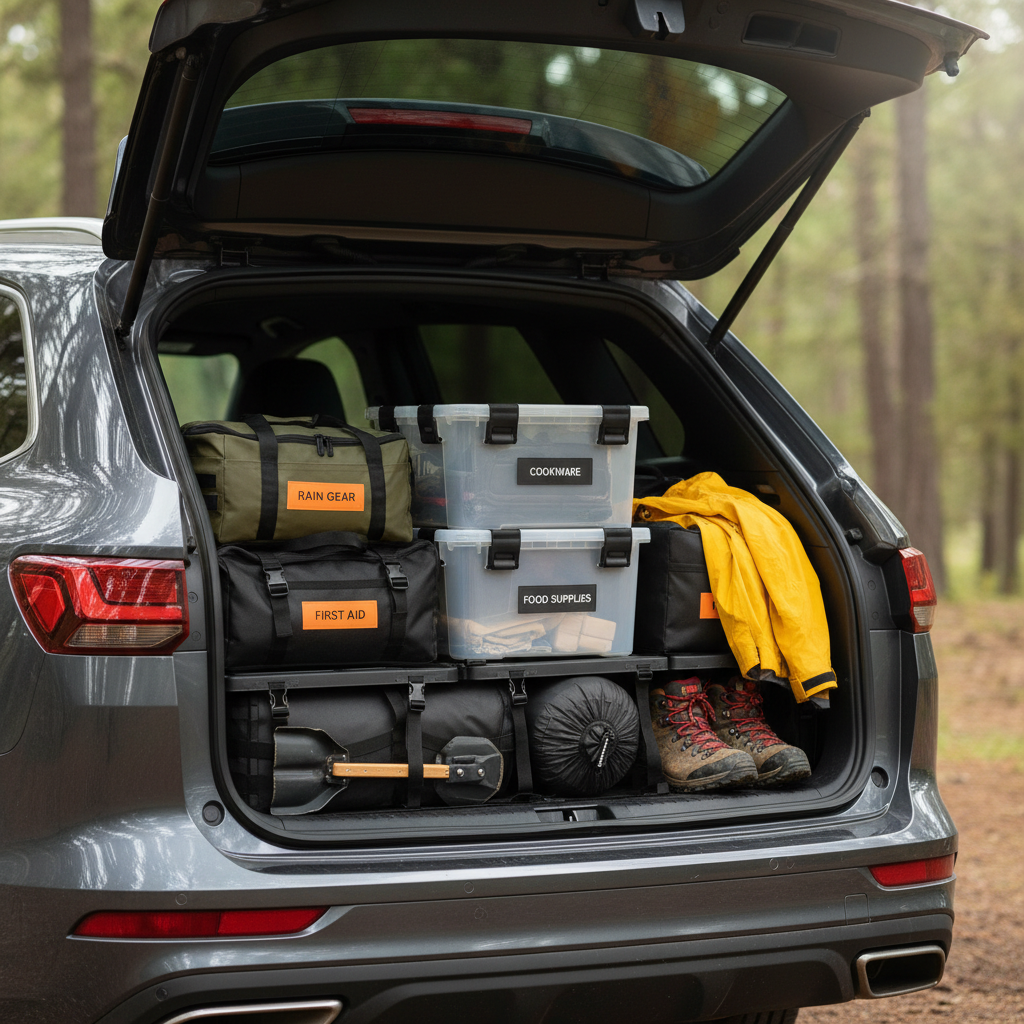
What “waterproof” really means for car storage bags
Most bags marketed as waterproof are closer to “water-resistant” in typical vehicle use, and that might be totally fine. The difference shows up when a bag sits in pooled water in a trunk, gets hit with a leaky cooler, or rides on a roof rack through hours of rain.
According to NOAA, weather conditions can change quickly and storms may develop with limited warning, which is a polite way of saying your gear might get soaked even if you planned for sunshine. So it helps to match protection to how you travel, not how the product page sounds.
- Water-resistant: sheds splashes and light rain, but zippers and seams may leak under pressure.
- Waterproof fabric: material resists water, but weak points often include stitching and zipper tracks.
- Fully waterproof construction: welded seams or roll-top closure, typically more “dry bag” style.
If you routinely carry wet gear, prioritize easy-to-wipe interiors and stink control over chasing a perfect waterproof claim. Many campers end up happier with a bag that cleans fast than one that promises the moon but stays grimy.
How to choose the right bag style for your vehicle and gear
The best pick depends on where the bag lives: trunk, cargo area, backseat, hitch basket, or roof. For most people, a mix works better than a single mega-bag.
Common bag types (and when they’re worth it)
- Structured trunk organizer: best for stove, pantry, tools, first-aid, small items that love to roll away.
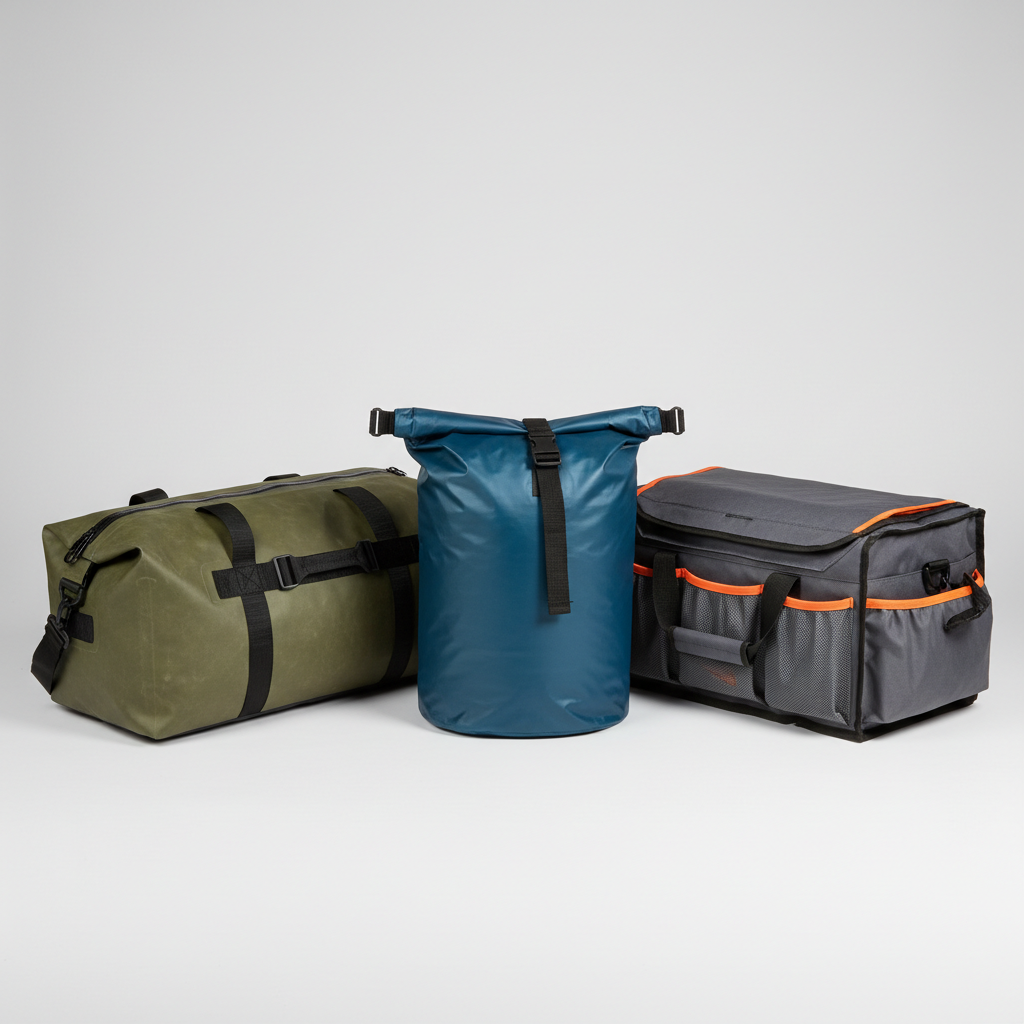
- Waterproof duffel: best for soft goods and “dirty but not sharp” items, like tarps, camp chairs, outer layers.
- Dry bag / roll-top: best for “cannot get wet” gear, like electronics, down sleeping bags, and spare layers.
- Seat-back or MOLLE-style bags: best for quick-access items, headlamp, gloves, tire gauge, trash bags.
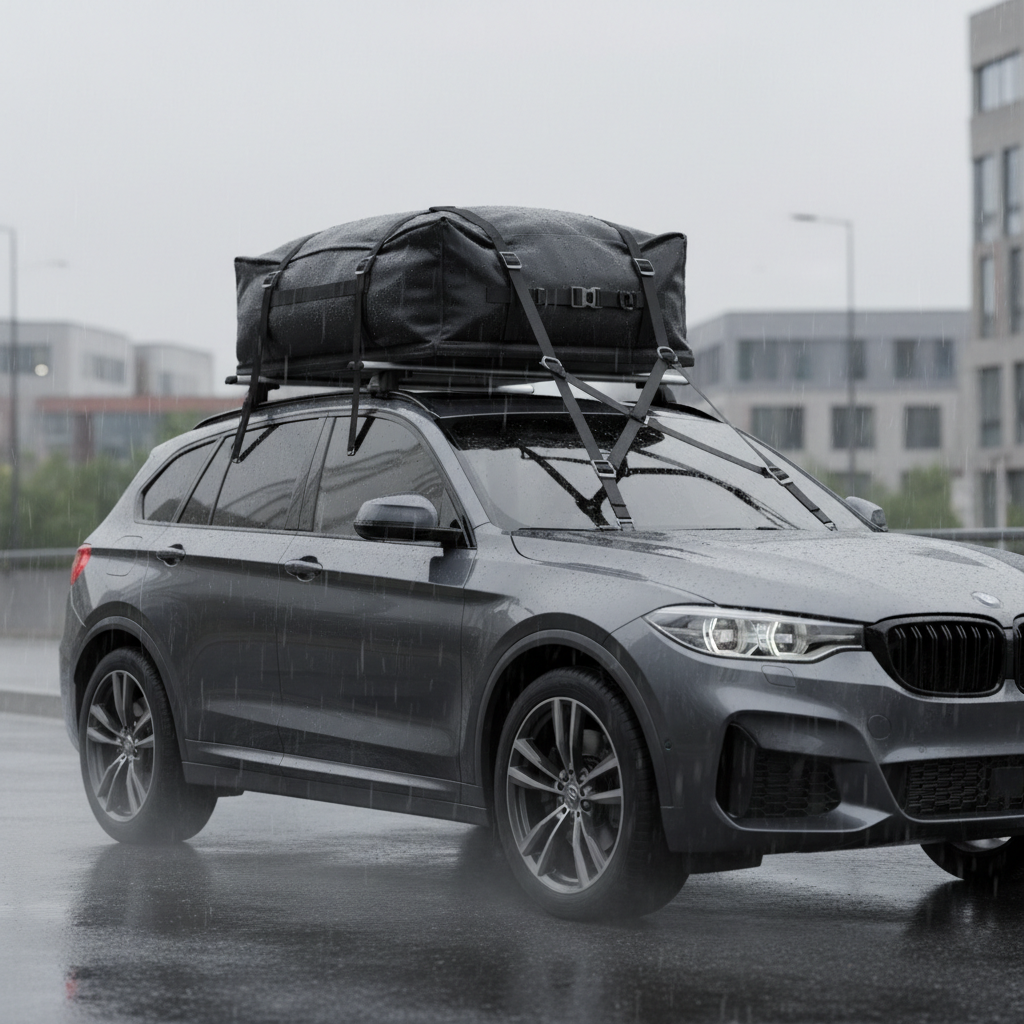
- Roof cargo bag: best when interior space is gone, but only if you can mount securely and accept more wind noise.
Also, think about load-in and load-out. If you camp frequently, a bag that slides well and has grab handles on multiple sides saves time every trip.
Key features that matter more than marketing claims
You can usually spot a good camping storage bag by a few build details. These don’t guarantee perfection, but they reduce the annoying failure points.
- Closure design: roll-top or storm-flap zippers handle rain better than exposed zippers.
- Seam construction: taped or welded seams tend to resist seepage better than plain stitching.
- Bottom material: reinforced, wipeable base helps with wet ground, sand, and grit.
- Grab points: side handles plus end handles matter when the bag is heavy and awkward in a tight trunk.
- Anchor options: D-rings or straps that clip to cargo hooks keep bags from becoming projectiles.
- Interior visibility: lighter lining or mesh pockets cut down on “where is it” frustration at night.
One more real-world point: if you carry sharp items, tent stakes, hatchets, saws, add a protective sleeve or a separate hard case. Even tough fabric can lose that fight.
Quick self-check: what’s your most likely scenario?
If you’re unsure which option counts as the best car storage bags for camping gear in your case, answer these fast. Your “yes” answers usually point to the right style.
- Do you drive through heavy rain or snow often? Consider roll-top dry bags for critical soft goods, plus a wipeable organizer for everything else.
- Do you throw wet boots and muddy items in the car? Go for bags with reinforced bottoms and easy-clean interiors, and keep a dedicated “dirty gear” bag.
- Do you camp out of a small trunk? Choose stackable, structured bags that keep their shape and maximize vertical space.
- Do you off-road or take rough forest roads? Prioritize anchor points and anti-slide backing so gear stays put.
- Do you pack for a family? Labels and compartmentalization beat one huge duffel, even if the huge duffel looks simpler.
If you only want one purchase, a medium waterproof duffel plus a smaller roll-top dry bag covers most weekend trips without getting too fussy.
Comparison table: picking the best option by use case
This table won’t pick a brand for you, but it will keep you from buying the wrong category, which is the more expensive mistake.
| Bag type | Best for | Water protection | Downsides to expect |
|---|---|---|---|
| Structured trunk organizer | Kitchen kit, tools, small items | Usually water-resistant | Can soak through if standing water collects |
| Waterproof duffel | Soft goods, mixed camping gear | Good for rain and splashes | Zippers may leak under pressure, can get “black hole” messy |
| Roll-top dry bag | Electronics, sleeping bag, spare layers | High when sealed correctly | Less convenient access, needs proper rolling technique |
| Seat-back/MOLLE bag | Quick access essentials | Usually low to moderate | Limited capacity, can interfere with passenger space |
| Roof cargo bag | Bulky gear, overflow storage | Varies widely | Mounting risk, wind noise, hard to access in rain |
Practical setup: how to pack so gear stays dry and easy to grab
Even the best car storage bags for camping gear won’t save you if wet items and dry items mingle, or if you bury essentials under everything else. A simple system beats constant re-packing.
A clean, repeatable packing order
- Layer 1 (stay-in-car): trunk organizer with tools, first aid, tire inflator, headlamps, trash bags.
- Layer 2 (camp setup first): shelter and stakes in one bag, lighting in the same bag or an exterior pocket.
- Layer 3 (sleep system): dry bag for sleeping bags and sleep clothes if rain is likely.
- Layer 4 (dirty zone): separate waterproof duffel for wet jackets, boots, tarp, or muddy items.
Two small tricks that prevent big messes
- Use color coding: one color for sleep, one for kitchen, one for dirty gear, it reduces searching at dusk.
- Pack “leakables” upright: fuel canisters and some food items can leak, keep them in a bin with a liner.
If you’re using a roof bag, double-check strap tension after 10–15 minutes of driving. Many straps settle once wind and vibration start working them.
Common mistakes (and what to do instead)
- Buying the biggest bag: big bags get heavy, and heavy bags get dumped on wet ground. Use two medium bags more often than one huge one.
- Trusting “waterproof zipper” text: zippers are frequent failure points. If the contents truly must stay dry, put them in an inner dry sack.
- No ventilation plan: sealing damp gear can create odor fast. Dry items out when you get home, even if you’re tired.
- Zero anchoring: loose bags slide and tip. Clip or strap to cargo hooks, especially if you brake hard.
Also, keep weight distribution in mind. If your vehicle feels unstable when loaded, reduce roof load and keep heavier items low. If you’re uncertain about safe loading, it’s reasonable to consult your vehicle manual or a qualified mechanic.
Conclusion: what to buy first if you want the most impact
If you want one move that improves every trip, start with a wipeable trunk organizer for the small essentials and add a dedicated waterproof duffel for dirty or wet gear. Then, if you camp in wet climates or carry down insulation, bring in a roll-top dry bag for the items that truly can’t get soaked.
Key takeaways:
- Match bag type to where it rides, trunk and roof need different solutions.
- Seams and closures matter as much as fabric claims.
- Separate dry gear from dirty gear to avoid damp surprises.
Pick one category to upgrade this week, then refine after your next trip, that’s usually the fastest path to a setup that feels effortless.
FAQ
- What are the best car storage bags for camping gear if I deal with lots of rain?
Look for roll-top dry bags for sleeping gear and electronics, plus a water-resistant organizer for everything else. In heavy rain, the “critical items in a dry bag” approach tends to be more reliable than trusting one big bag. - Are roof cargo bags actually waterproof?
Some are close, but performance varies by seams, zipper protection, and how they’re strapped down. If water intrusion would ruin your gear, use inner dry sacks even when the outer roof bag claims waterproofing. - What size storage bag works best for weekend camping?
Many campers do well with medium duffels you can lift comfortably when fully loaded. Oversized bags sound convenient, but they often become too heavy and too hard to organize. - How do I keep a car storage bag from sliding in the trunk?
Use anchor straps to cargo hooks when available, or choose bags with grippy bases. Even basic friction pads can help, but positive attachment is more dependable on rough roads. - Can I store fuel canisters and food in the same bag?
It’s usually smarter to separate them, since leaks and odors happen. A small bin or dedicated compartment for “leakables” reduces cross-contamination and cleanup time. - What’s the easiest way to prevent mildew smell in waterproof bags?
Don’t seal damp textiles for long. Air-dry gear at home, wipe the bag interior, and leave it unzipped overnight if possible. - Do I need MOLLE seat-back storage for camping?
Only if you regularly need quick access while driving or during roadside stops. For many people, a small “grab bag” up front delivers the same benefit with less installation.
If you’re trying to build a cleaner camping loadout, it helps to choose bags based on your actual trip pattern, rainy coast weekends, desert dust, family packing, or solo overnights. If you want, share your vehicle type and what gear you carry most, and I can suggest a simple bag mix that fits your space and weather.