
how to use seat belt cutter emergency is mostly about two things: getting the blade positioned correctly, and keeping your hands and face out of the cut path when adrenaline kicks in.
If you carry a cutter but have never tested the grip, the sheath, or where you store it, you can lose precious time. In real emergencies, people fumble because the tool is buried in a glove box, the belt is twisted tight, or they try to saw at the webbing like it’s rope.
This guide walks you through a practical, repeatable method for cutting a stuck seat belt, plus quick ways to tell when cutting is the right call versus simply releasing the buckle. I’ll also cover storage, practice, and a few mistakes that show up again and again.
When a Seat Belt Cutter Is Actually Needed
Most of the time, the buckle release works and a cutter stays unused, which is exactly what you want. A seat belt cutter becomes relevant when the normal exit sequence breaks down, usually because the car’s position, damage, or water pressure changes what your hands can do.
- Buckle won’t release due to impact damage, dirt, or an awkward angle that prevents a clean press.
- Belt locks under load and you can’t create slack, especially if you’re pressed into the belt by gravity.
- Rollover position where your body weight hangs on the shoulder strap, making the latch hard to reach.
- Submersion risk where time matters, and you may need a fast plan if the buckle jams.
According to NHTSA, seat belts reduce risk of fatal injury for front-seat passenger car occupants, so cutting should be a last-resort move, not a default habit.
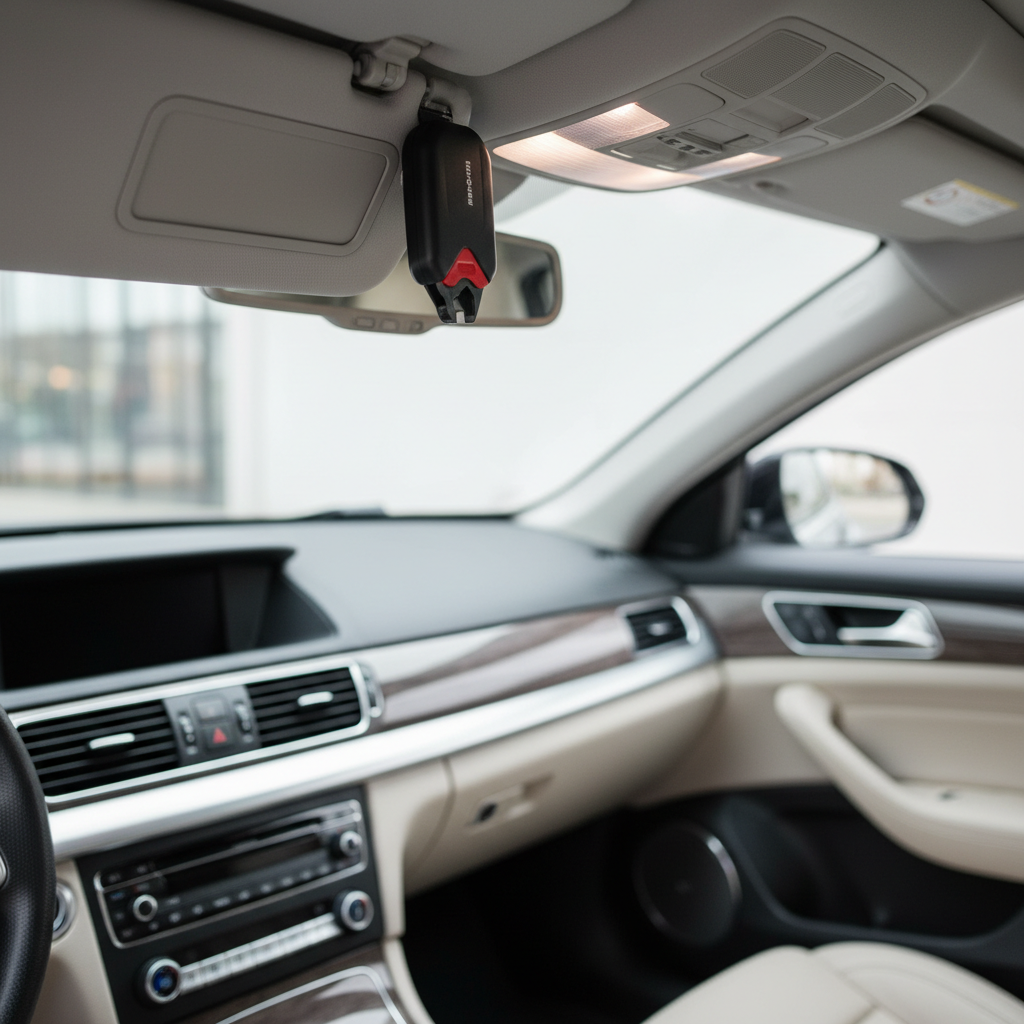
Know Your Tool: Cutter Styles and What They Do Well
Before you worry about technique, confirm what you actually have. Many “seat belt cutters” are hook-style blades that hide the edge inside a slot, that design helps reduce accidental cuts to skin or clothing. Others are part of a combo tool with a window punch.
- Hook/slot cutter: Best for webbing, safer near the body, easiest for one clean pull.
- Exposed blade (knife): Can work, but it’s easier to slip, especially in cramped positions.
- Combo tool with glass breaker: Convenient, but check that the cutter slot is large enough for thick belts and that you can grip it while wet.
Quick reality check: a dull cutter, a cracked plastic body, or a tool stored for years in heat can fail. If you’re unsure, replace it; these are not “lifetime” items in many vehicles.
How to Use a Seat Belt Cutter in an Emergency (Step-by-Step)
The goal is a single confident cut, not repeated sawing. When people ask how to use seat belt cutter emergency, the biggest improvement comes from changing where they cut and how they brace.
1) Try the buckle once, then commit
Press the release button firmly with your palm, not a fingertip. If it doesn’t move quickly, don’t spend long wrestling it, especially if you smell smoke, see water rising, or feel panic building.
2) Create space between belt and your body
Use your free hand to pull the belt away from your chest or hip, even a small gap helps. If you can’t pull it away, aim for the belt section that is farthest from your neck and closest to a firm anchor point.
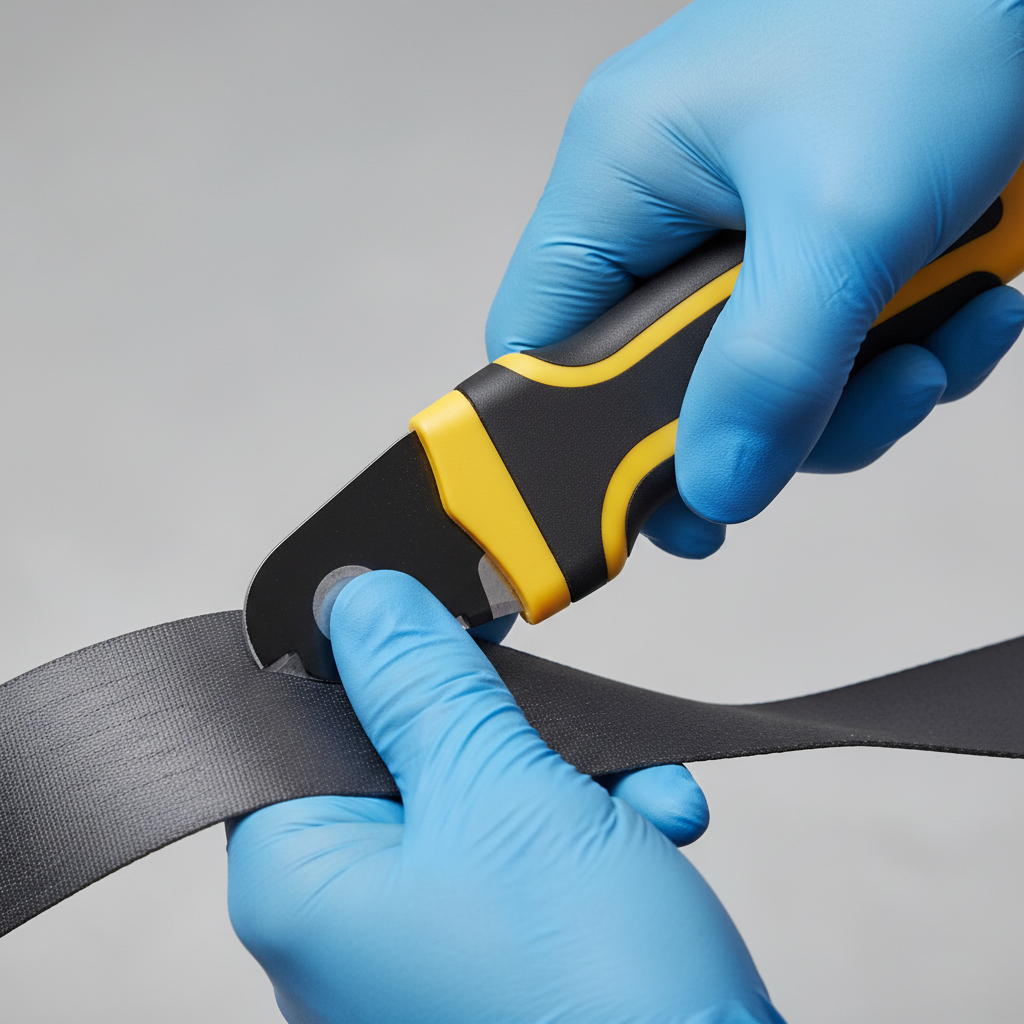
3) Insert the belt fully into the cutter slot
Feed the webbing deep into the hook until you feel it seat. Partial insertion is a common reason the cutter “doesn’t work.”
4) Cut in a controlled direction
Pull the cutter across the belt with a short, strong motion, angling the tool so the cutting action moves away from your face. If you have room, cut the shoulder strap near the chest area rather than right at the latch, it’s usually easier to access.
5) Brace and repeat only if needed
If the belt only partially cuts, reposition, insert deeper, and pull again. Avoid wild slashing, that’s when injuries happen.
- Key point: If you’re cutting the lap belt, keep your non-cutting hand clear of the tool’s path.
- Key point: If you’re upside down, brace your body against the seat or console before you cut, so you don’t drop suddenly.
Fast Self-Check: Are You Set Up to Use It Under Stress?
Tools fail more often from placement and familiarity than from the blade itself. Take 60 seconds and be honest about these.
- Reach: Can you grab it with either hand while seated and belted?
- Location: Is it outside the glove box and center console clutter?
- Orientation: Can you pull it out without looking?
- Grip: Does it slip if your hands are wet or shaking?
- Interference: Will a deployed airbag, phone mount, or steering wheel cover block access?
If you answered “not sure” to any of these, your plan isn’t wrong, it’s just unfinished.
Where to Store a Seat Belt Cutter (So It’s Actually Useful)
Storage is a safety decision. A cutter that becomes a projectile in a crash is a problem, and a cutter you can’t reach is basically decoration.
- Good options: visor mount, driver door pocket (snug), seat-side organizer, or a dedicated mount near the center console.
- Often bad options: glove box, trunk, deep console, backpack, or anywhere behind you.
In many vehicles, the sweet spot is “within arm’s reach while belted, and secured so it stays put.” If you share the car, tell other drivers where it is, because in a real situation they won’t go hunting.
Quick Reference Table: Problems and Practical Fixes
Use this as a mental map. It’s not a substitute for training, but it helps you choose the next move faster.
| What’s happening | What to try first | When to cut |
|---|---|---|
| Buckle won’t click open | Press with palm, change angle, clear debris if visible | If it stays stuck after a brief attempt, especially with smoke/water risk |
| Belt is tight and locked | Pull belt near retractor to find slack, shift body position | If you can’t create slack and need immediate exit |
| Upside down after rollover | Brace with feet/hands, protect head before release | If buckle unreachable or jammed, after bracing for the drop |
| Vehicle taking on water | Unbuckle early, open window if possible | If belt jams and water level is rising, cut decisively |
Mistakes That Make Cutting Harder (or More Dangerous)
A seat belt cutter is simple, but stress makes people do weird things. These are the mistakes worth correcting now, not later.
- Cutting too close to your neck or face: move lower on the strap when possible.
- Trying to slice outward with an exposed blade: hook cutters work best because the belt feeds into the edge.
- Storing the tool “somewhere safe”: safe also needs to mean reachable after impact.
- Not bracing in a rollover: cutting can drop your body weight suddenly, leading to secondary injury.
- Buying a tool and never checking it: heat, age, and cheap plastics can matter over time.
One more thing people miss: thick winter clothing can bunch the belt and change where the webbing sits, so practice the motion while wearing a jacket, at least once.
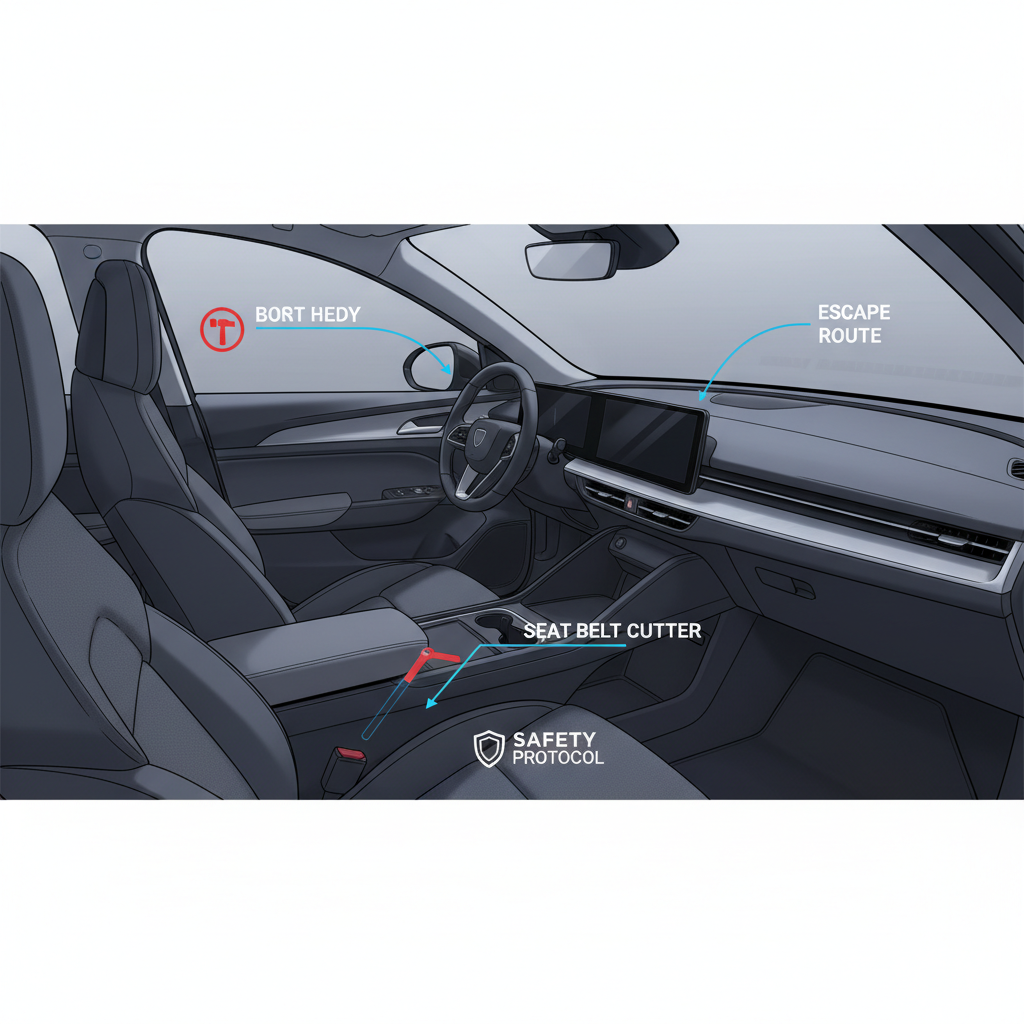
When to Get Professional Help or Training
If you drive for work, transport kids, or live near flood-prone roads, hands-on practice can be worth it. Many fire departments, EMS education events, and certified driving safety programs sometimes cover vehicle escape basics, availability varies by area.
Also, if you have limited hand strength, arthritis, or a mobility condition, consider asking a qualified occupational therapist or driving rehab specialist for advice on tool selection and placement. This is one of those cases where “small adjustments” can make the plan workable.
Conclusion: A Simple Tool, a Clear Plan
how to use seat belt cutter emergency comes down to preparation and one clean motion: store it within reach, know how the cutter slot grabs the webbing, create space from your body, then cut with control. If you do only one thing after reading, sit in your driver seat today and confirm you can grab the cutter with either hand while buckled.
If you want a second action item, do a quick monthly check: tool still secure, blade slot clear, and everyone who drives the car knows where it lives. Calm repetition now is what turns into speed later.
Key takeaways: keep it reachable, commit quickly if the buckle fails, insert the belt deep into the slot, and always cut away from your body.