
Best car sun visors for flip down are the ones you can grab and deploy in one smooth motion, without blocking your view or wobbling on rough roads. If you’ve ever reached up at the worst moment, only to find a stiff hinge, a sagging panel, or a “visor extender” that won’t stay put, you already know why this matters.
Flip-down ease sounds like a small feature, but in real driving it’s tied to comfort, visibility, and distraction. A visor that drops cleanly and stays where you set it means less squinting, fewer mid-drive adjustments, and fewer seconds with your attention split.
This guide breaks down what actually makes a visor “easy access,” how to tell whether you need a replacement visor or an add-on, and how to avoid the common fit traps that lead to returns. I’ll also include a quick comparison table and a practical checklist you can use before you buy.
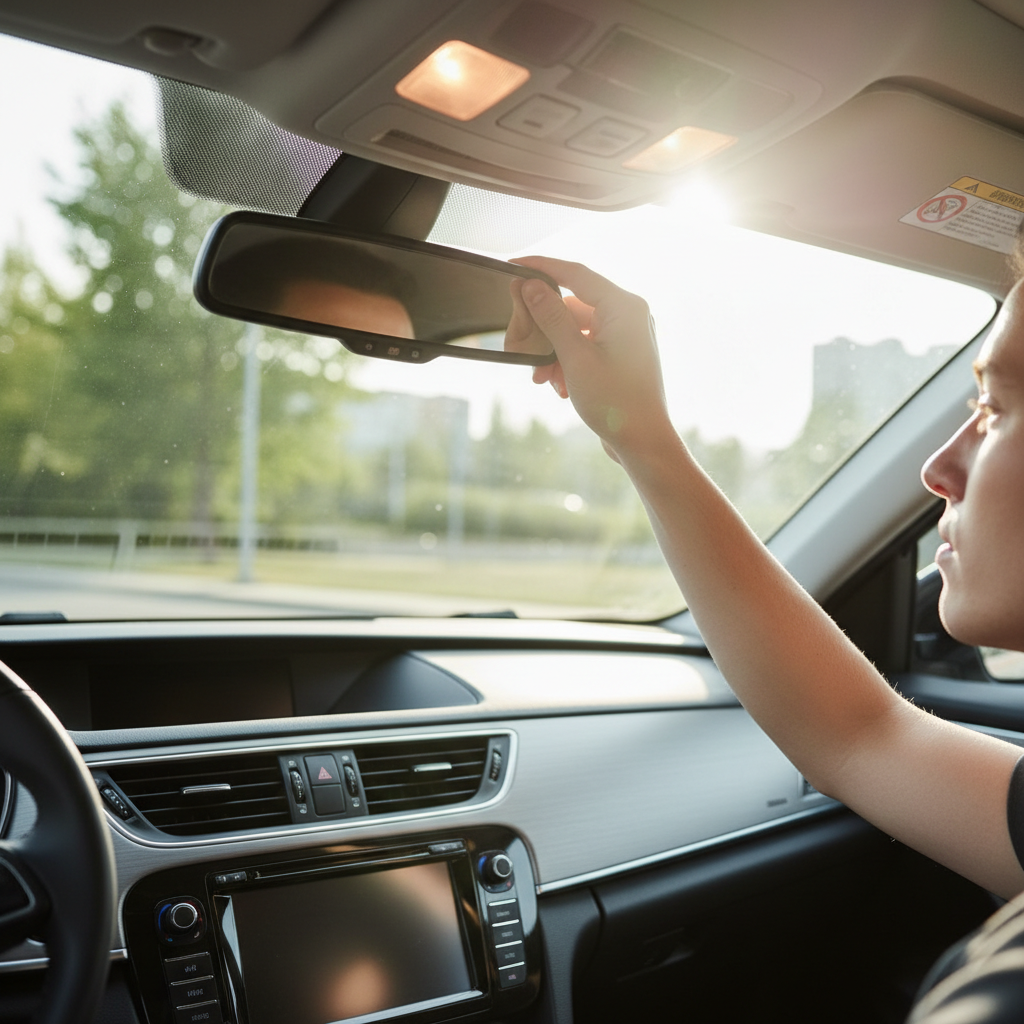
What “flip-down easy access” really means in 2026
Most listings say “easy flip down,” but they’re describing different things. In practice, easy access usually comes down to three feel factors: hinge resistance, drop speed control (not slamming), and stability after positioning.
- Hinge resistance: Too tight and you fight it, too loose and it sags. The sweet spot is a firm, smooth pivot.
- Detents or friction hold: Many OEM-style visors rely on friction, some have subtle detents that “click” into common positions.
- One-hand reach: If you need two hands to extend, slide, or tighten a knob, it’s not really “easy access” while driving.
Also, there’s a difference between replacing the whole visor and adding a visor extender. Replacements can restore OEM feel, add-ons can improve coverage, but add-ons often add weight, which can make flipping down feel worse if the base visor is already weak.
Why visors get hard to flip down (and when a “better” visor fixes it)
If your current visor feels “sticky” or floppy, it’s usually not because you picked the wrong product years ago, it’s because wear shows up in predictable spots.
- Worn pivot bushing or hinge pin: The visor binds, creaks, or drops unevenly.
- Internal core breakdown: The visor sags or twists, especially after heat exposure.
- Loose mounting screws or damaged bracket: The whole unit wobbles, so flipping down feels imprecise.
- Aftermarket add-on weight: Extenders and clip-ons can pull the visor down over time.
According to NHTSA, sun glare can contribute to visibility problems and increased crash risk, so if you’re constantly adjusting your visor mid-drive, it’s worth treating as more than a convenience issue.
Quick comparison: replacement visors vs extenders vs clip-ons
Before you shop, decide what problem you’re solving. Coverage? A broken hinge? Side glare? The “best” option changes based on that.
| Option | Best for | Flip-down feel | Common trade-offs |
|---|---|---|---|
| OEM-style replacement visor | Broken/sagging factory visor, loose pivot | Usually closest to factory, easiest one-hand use | Trim match, wiring for vanity lights, model-specific fit |
| Slide-out/extended replacement visor | Need more windshield coverage without add-ons | Good if the slider is smooth | Slider can bind over time, heavier than basic visor |
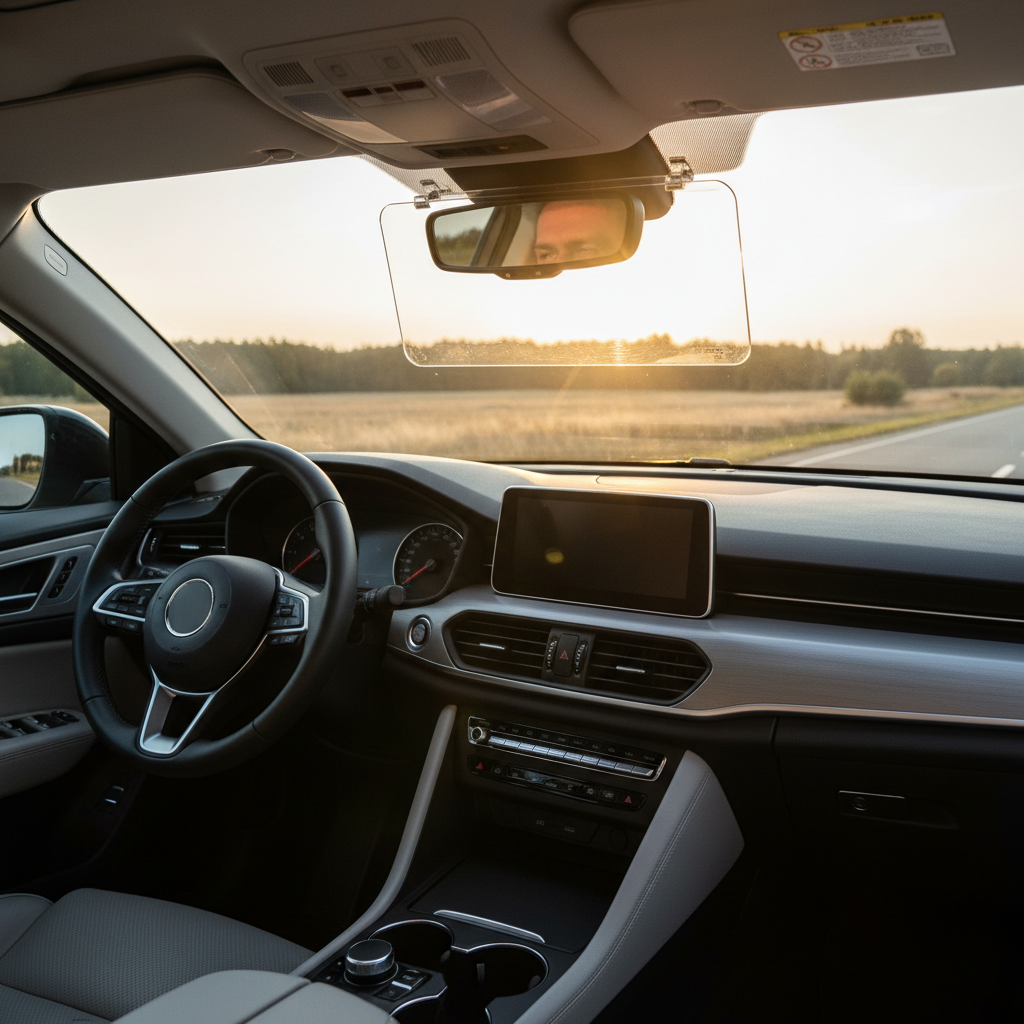
| Visor extender (strap/clip) | Extra sun blocking, tall drivers, low sun angles | Depends on base visor strength | Adds weight, may sag, can rattle on bumps |
| Magnetic/clip-on glare shield | Quick removable solution for occasional glare | Fast, but not always stable | Can obstruct view if oversized, reflections at night |
How to choose the best car sun visors for flip down (a buyer’s checklist)
When people end up unhappy, it’s usually a fit issue or a feel issue. Use this quick list to screen products before you commit.
Fit and mounting (the unglamorous stuff that saves you time)
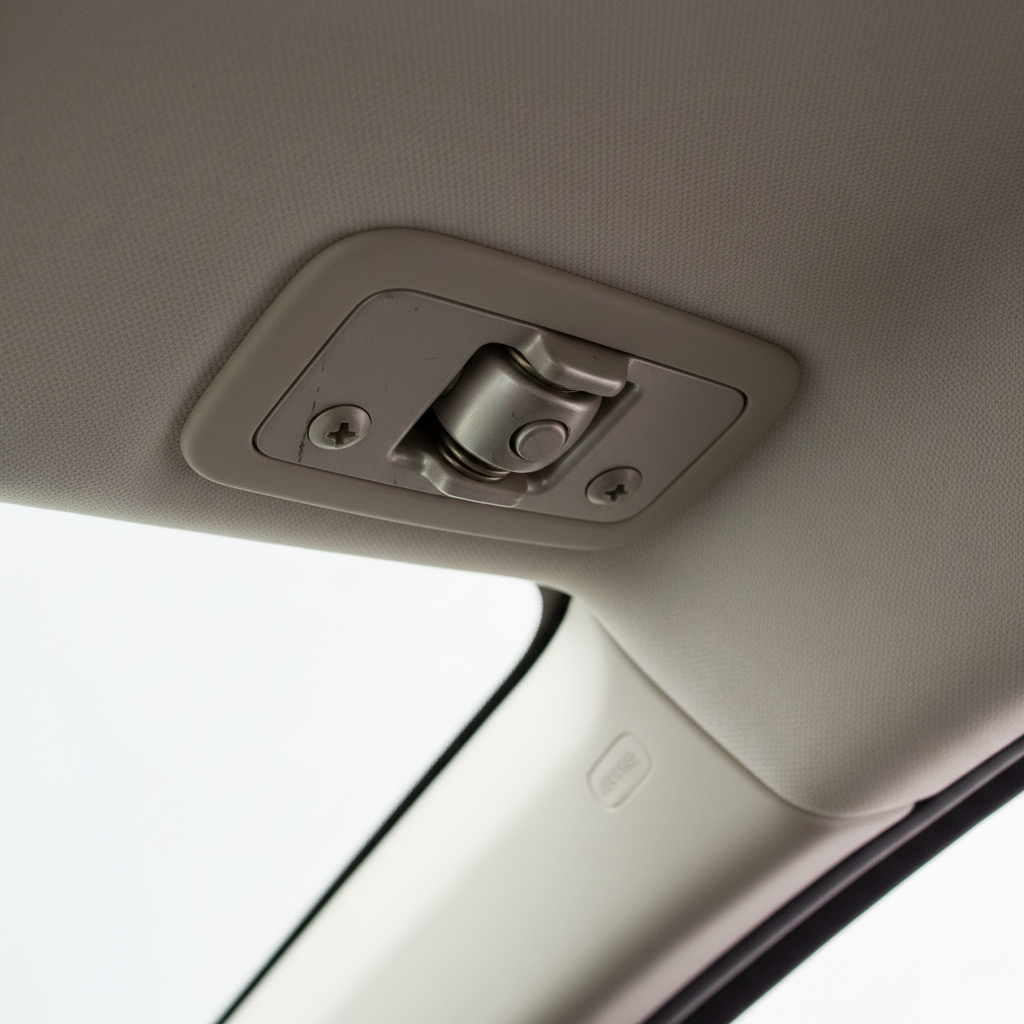
- Vehicle compatibility: Check year/make/model and trim, but also check whether your visor has a fixed clip, a rotating retainer, or a sliding rod.
- Vanity light wiring: If your visor has powered lights, confirm the replacement supports it or you’re okay losing that feature.
- Bracket shape: Even “universal” visors often fail at the bracket-to-headliner interface.
Flip-down feel and usability
- Hinge action: Look for descriptions like “firm pivot” and avoid products that reviewers describe as “drops” or “won’t stay up.”
- Weight balance: Heavier isn’t always better; too much weight makes the flip-down motion feel sloppy.
- Edge stiffness: A visor that flexes at the edge can bounce and creep downward over time.
Coverage features that matter in daily driving
- Side coverage: If your commute includes morning or evening low sun, make sure it swings to the side window smoothly.
- Extension mechanism: Slide-out extenders can work well, but only if the track feels smooth and doesn’t require two hands.
Key point: If your current visor hinge is already loose, a clip-on extender often makes the flip-down experience worse, not better.
Practical picks by scenario (what tends to work)
I can’t name a single visor that fits everyone because mounting styles vary a lot by vehicle, but you can still shop “by problem” and land on a setup that behaves well.
If your factory visor is sagging or won’t stay up
- Prioritize an OEM-style replacement or an OE-equivalent part from a reputable brand.
- Confirm whether you need a driver side, passenger side, or both, many vehicles use different parts.
- Skip add-ons until the base visor holds position reliably.
If you get glare near the horizon and need more coverage
- Consider a slide-out replacement visor if available for your vehicle, it often keeps one-hand flip-down intact.
- If you go with an extender, choose a lighter design and check that it doesn’t block your line of sight when flipped down.
If you share the car with drivers of different heights
- A smooth extension feature helps, but look for reviews that mention the extender staying put after adjustment.
- Test for “creep” in return windows: set it, drive a day, and see if it drifts.
Install and setup tips to keep flip-down smooth
Even the best car sun visors for flip down can feel wrong if installation leaves the bracket slightly misaligned. These small steps usually prevent the “why is it binding?” moment.
- Don’t overtighten: Mounting screws cranked too hard can distort plastic brackets and add friction.
- Check the retainer clip: Many visors use a small clip on the free end; if it’s off-angle, the visor twists when you pull it out.
- Route wiring gently: If you have vanity lights, pinched wires can create resistance or stop the visor from seating.
- Clean contact points: Dust and grit at the pivot can make motion feel rough; a basic clean often helps.
If you’re unsure about airbags in the A-pillar or headliner area, it’s smart to consult a qualified installer. You typically don’t want to tug aggressively near trim pieces that may cover safety components.
Mistakes that make “easy flip down” turn into daily annoyance
- Buying universal without measuring: “Universal” can mean “close enough,” which still rattles and sags.
- Chasing maximum darkness: Very dark glare shields can reduce visibility in changing light, especially near dusk; use judgment and follow local rules.
- Ignoring side-window glare: People fix windshield glare and forget the side swing; if it doesn’t pivot smoothly, you’ll keep readjusting.
- Stacking accessories: Extender + clip-on mirror + organizer is a lot of weight hanging off a small hinge.
According to AAA, reducing distractions helps driver attention, and constantly fiddling with a visor is one of those small-but-real distraction sources. The goal is a setup you barely think about.
When it’s worth getting professional help
If your visor mount feels loose inside the headliner, or you suspect the screw anchors are stripped, a shop can often fix it cleanly with the right fasteners. Also consider professional help if you have powered visor features and you’re not comfortable with electrical connectors.
And if glare is severe even with a good visor, you may want an eye exam or windshield inspection. In some cases, windshield pitting or a worn wiper path scatters light and makes glare feel much worse than it should.
Bottom line: what to buy, in one decision
If your main complaint is the motion, start by restoring the base: a solid replacement visor usually delivers the most reliable one-hand flip-down. If your base visor already feels stable and you simply need more coverage, a lightweight extender can be a reasonable second step, but only if it doesn’t drag the hinge down.
Action tip: Take 2 minutes to note your mounting style and whether you have vanity light wiring, then buy based on that reality, not the marketing photo.
FAQ
What are the best car sun visors for flip down if my visor keeps falling?
Look for an OEM-style replacement specific to your vehicle, because a falling visor usually points to a worn hinge or weakened core. Clip-on extenders can add weight and make the droop worse.
Do visor extenders make it harder to flip the visor down?
Often, yes, especially if the factory visor is already loose. A lighter extender with a stable attachment tends to keep the flip-down feel closer to normal.
How do I know if I need a driver side or passenger side replacement?
Many cars use different parts left vs right, and the passenger side may include a mirror cover or different wiring. Match the side and check whether your current visor has lights.
Are “universal” sun visors worth buying?
They can work for older vehicles or temporary fixes, but fit is the main gamble. If the bracket geometry isn’t right, you’ll feel it every time you flip down or pivot to the side.
Is a polarized visor shield safe for night driving?
It depends on tint level and conditions, but darker shields can reduce visibility as light changes. Many drivers keep tinted add-ons for daytime only and remove them at dusk, when in doubt, prioritize visibility.
Why does my visor bind only when I swing it to the side window?
The retainer clip on the free end is often slightly misaligned, or the visor rod is twisting due to bracket stress. Re-seating the clip or loosening and re-tightening the mount evenly may help.
Can a new visor help with windshield glare if my windshield is scratched?
It may help a little, but scratched or pitted glass can scatter light and amplify glare. If glare feels extreme, consider a windshield inspection and discuss options with a glass professional.
If you’re trying to choose a setup that flips down cleanly without guesswork, start by identifying your mounting style and whether you need power for vanity lights, then narrow to vehicle-specific replacements or lightweight extenders that won’t overload the hinge.