
Best car sun shade for front seat side window usually means one thing in real life: less heat and glare without messing up your drive, your window controls, or your ability to see mirrors and traffic.
If you have kids, rideshare passengers, pets, or you just hate that hot spot on your arm during a commute, a side-window shade can feel like a small upgrade that pays off every day. The catch is that “side window” shades vary a lot in fit, visibility, and durability, and the wrong style can become a safety annoyance.
This guide breaks down the common types, what to look for in the U.S. market, and how to choose based on your exact window shape and habits. You’ll also get a quick table, a decision checklist, and setup tips that prevent the most common frustration: shades that slide, sag, or block your view.
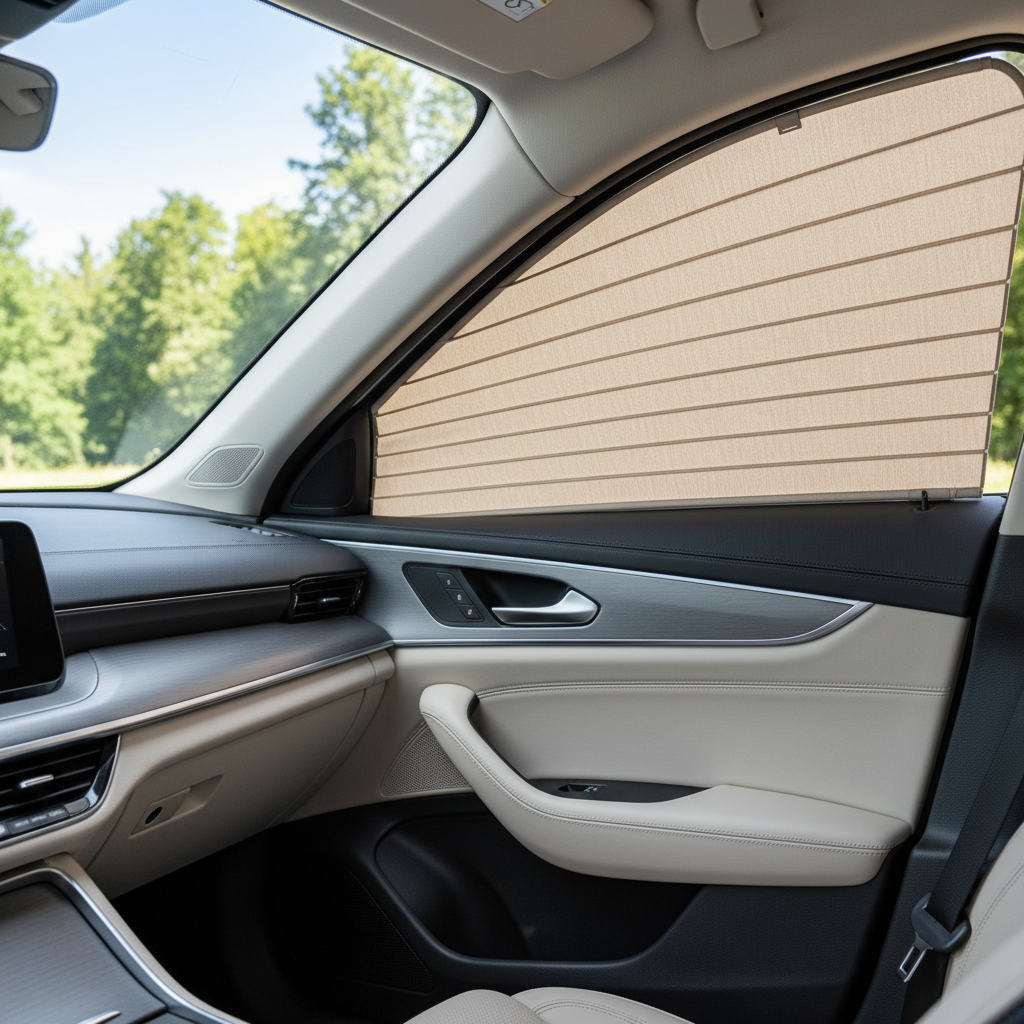
What “best” really means for front seat side window shades
For front-seat side windows, “best” is a balancing act between sun control and safe visibility. Rear-window shades can get away with heavier tint-like coverage, but the front row is different, you still need situational awareness and clear mirror sightlines.
- Heat reduction: Helps cut radiant heat on your skin and may reduce how hard your A/C works.
- Glare control: The right weave or film reduces harsh sunlight without turning the cabin too dark.
- Fit and stability: A shade that curls, slips, or gaps becomes useless fast.
- Window usability: Many people still want to crack the window a bit, some designs allow that.
- Legality and safety: Anything that blocks the driver’s view can be risky, and window-tint rules vary by state.
According to NHTSA, heatstroke can occur when a child is left in a vehicle, even when the outside temperature does not feel extreme. A sun shade is not a safety substitute for supervision, but it can be part of a broader heat-management routine for everyday trips.
Types of front seat side window sun shades (and who they fit)
Most “best car sun shade for front seat side window” searches end with buyers choosing between three practical options. Each has tradeoffs, so it helps to match the style to your car and how you drive.
1) Static cling film shades
These are thin sheets that adhere via static, not glue. They usually look clean and minimal, and they pack flat.
- Good for: people who want a tidy look and easy on/off.
- Watch outs: can peel in high heat or if the glass is dusty, and some versions leave annoying edges on curved windows.
2) Suction-cup mesh shades
Mesh fabric plus suction cups is common because it’s cheap and widely compatible. When it works, it’s fine. When it doesn’t, it’s a daily battle.
- Good for: occasional use, rentals, travel, switching between cars.
- Watch outs: suction cups fail on textured glass, in humidity, or if the cup hardens over time.
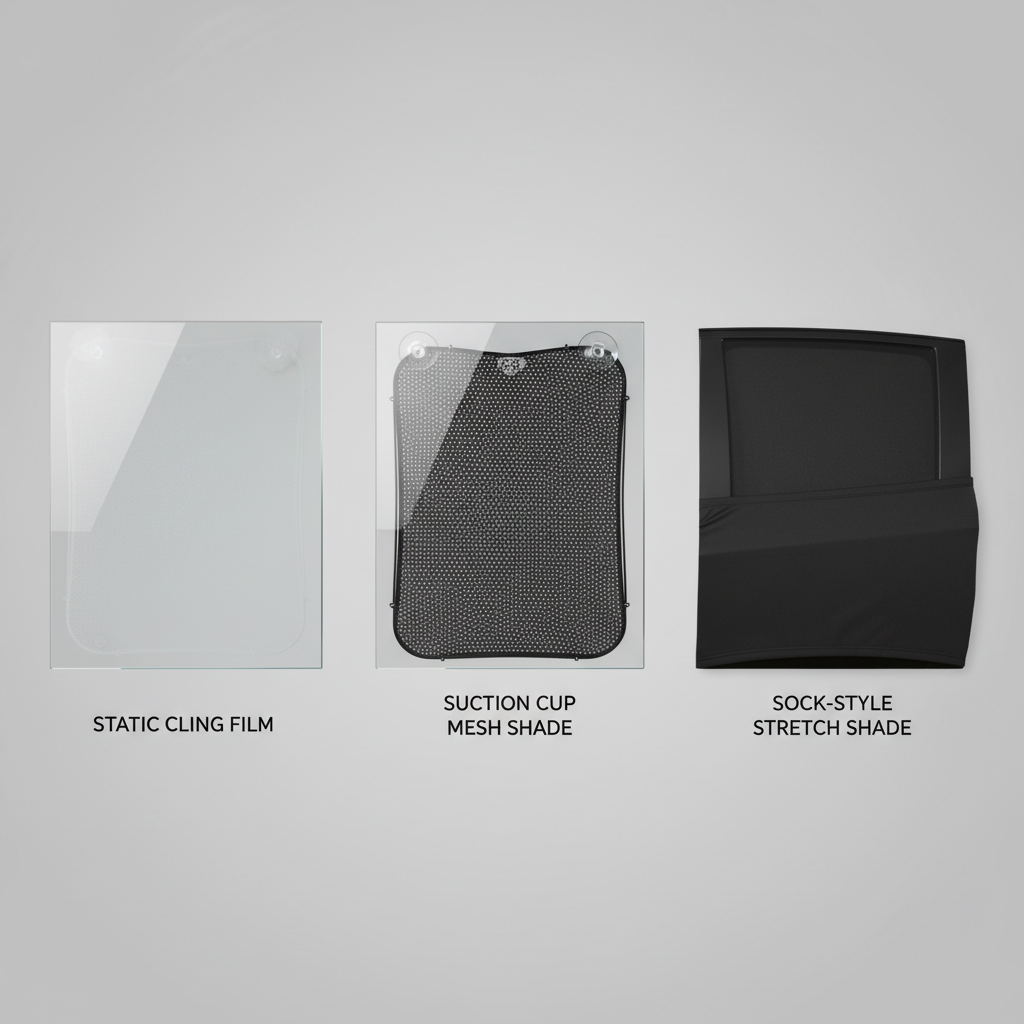
3) “Sock” or sleeve-style stretch shades
These slip over the top of the door frame like a fabric sleeve. They often cover more area and can allow you to lower the window a bit while still keeping coverage.
- Good for: strong sun exposure, kids/pets up front (when appropriate), parking in open lots.
- Watch outs: fit can be inconsistent on frameless windows, and some fabrics reduce clarity more than expected at night.
Quick comparison table: pick your best match
Use this as a practical shortcut. If you’re stuck between two types, prioritize visibility and fit over everything else.
| Shade type | Heat/UV feel | Visibility | Stability | Best use case |
|---|---|---|---|---|
| Static cling film | Medium | High to medium | Medium | Daily commuting, clean look |
| Suction-cup mesh | Medium | Medium | Low to medium | Occasional use, travel |
| Sock/sleeve stretch | High | Medium to low | High (if fit is right) | Strong sun, parking, window cracked |
A fast self-check before you buy
This is where most people save time. The “best” choice depends on your window design and how picky you are about visibility.
- Are you shading the driver side or passenger side? Driver side needs the strictest visibility standards, many drivers keep coverage lighter here.
- Do you have frameless windows? Common on some coupes and EVs, sleeve shades can be tricky.
- Do you need to open the window? If you crack it for airflow, sleeve styles usually handle that better.
- How curved is your glass? Heavy curvature can defeat flat cling films.
- Do you park outside daily? You may value higher coverage and stability more than quick removal.
- Night driving comfort: If you drive at night often, avoid overly dark mesh on the front row.
According to AAA, driver visibility and avoiding distractions are core safety priorities. If a shade makes you second-guess your mirror view, it’s not the right shade for the front seat, even if it blocks more sun.
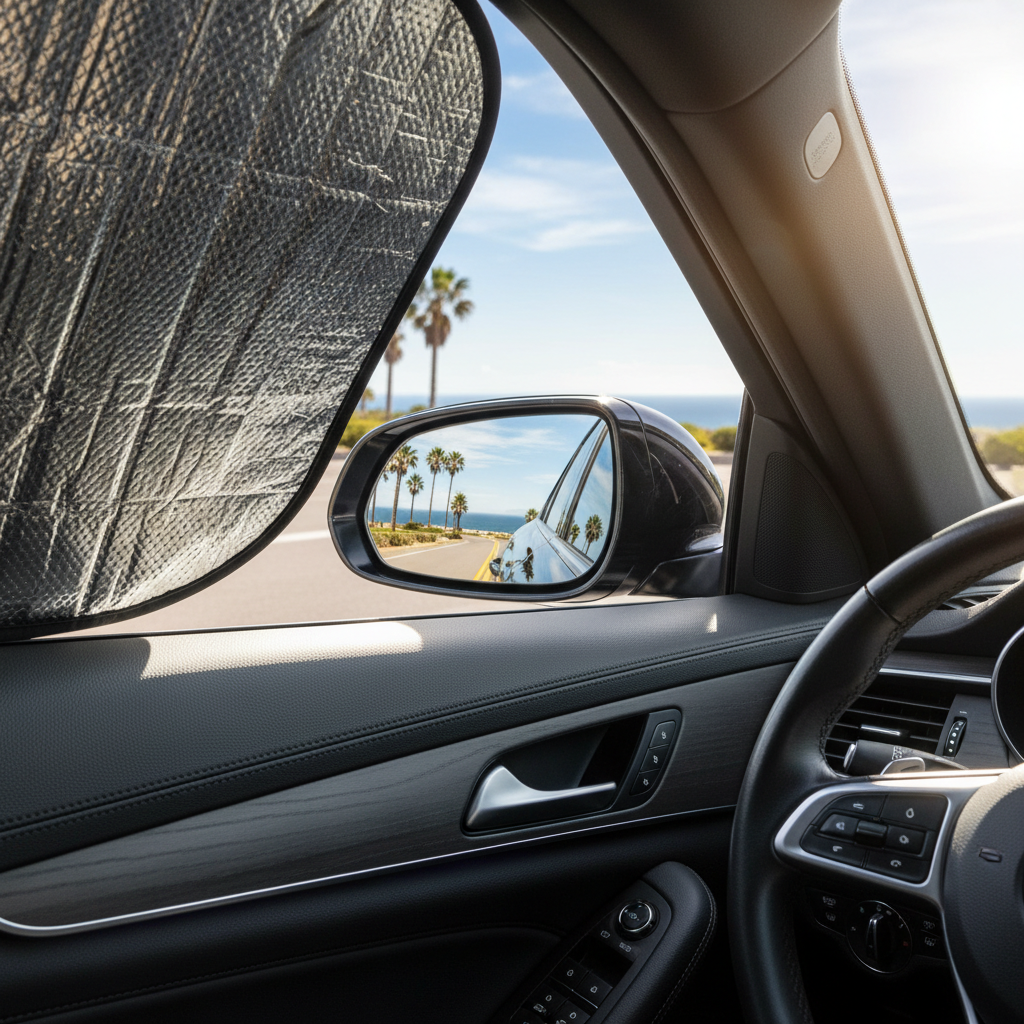
How to choose the best car sun shade for front seat side window
If you want one simple rule: choose the lightest coverage that solves your glare problem, then make sure it stays put. Overbuying coverage often backfires up front.
Prioritize these features
- True window coverage: Measure glass width/height at the widest points, don’t guess from “universal fit.”
- Edge finish: Reinforced edges resist curling and sagging, especially on mesh.
- Attachment method quality: Better suction cups, better stitching, better cling material, you feel it immediately.
- See-through rating (practical): If the product photos look like a blackout curtain, assume night visibility suffers.
- Heat tolerance: Interiors get extremely hot, cheap plastics warp and cups harden.
Match to the situation you actually have
- Daily commute, lots of sun from one side: static cling or a lighter mesh tends to feel less intrusive.
- Long parking sessions in open lots: sleeve shades often hold coverage better when the car bakes.
- Rideshare or frequent passengers: stability matters, people bumping the shade loose gets old fast.
Installation tips that prevent slipping, bubbles, and weird gaps
Most shade complaints come from install, not the product category. A few small habits make a big difference.
For static cling film
- Clean the glass well, then wipe with a microfiber cloth until it squeaks, dust kills adhesion.
- Lightly mist water on the window so you can reposition, then push out bubbles with a card wrapped in cloth.
- Trim only if the brand allows it, cutting too close creates peeling edges.
For suction cup mesh
- Warm the suction cups in your hands before pressing, cold cups fail more often.
- Press and hold each cup for a few seconds, then tug lightly to confirm it seated.
- If the window has dot-matrix shading near edges, avoid placing cups on that texture.
For sock/sleeve shades
- Check door seal pinch points, you want a snug sleeve without folding fabric into the latch path.
- Close the door gently the first time, listen for rubbing and adjust before you slam it shut.
- After install, confirm mirror view and window switch operation, don’t assume.
Common mistakes (especially on the front seat)
A front-seat shade has less margin for error than rear windows. These are the mistakes that pop up repeatedly.
- Over-darkening the driver side: Great shade, terrible confidence when merging or parking, many people remove it at dusk.
- Ignoring state tint rules: Some products resemble aftermarket tint. Rules vary, and enforcement can vary too, check local guidance if you’re unsure.
- Blocking airbags or pillars: Any accessory near the A-pillar or side-curtain airbag area deserves caution, placement matters.
- Buying “universal” without measuring: A 1-inch gap can funnel sun right into your eyes, which defeats the point.
- Leaving suction cups on permanently: They can harden or leave marks in heat, removing them occasionally helps.
When to get professional help or rethink the approach
If your goal is serious heat reduction for the whole cabin, a removable shade might not be enough. In that case, asking a reputable tint shop about legal, front-window-compliant options can be more effective, especially if you drive in intense sun states.
If you notice headaches, nausea, or symptoms that could relate to heat exposure, consider speaking with a medical professional. A window shade can reduce discomfort, but it cannot address every risk factor, especially for children, older adults, or anyone with health conditions.
Conclusion: a practical way to decide today
The best car sun shade for front seat side window is the one that reduces glare and heat without making you nervous about visibility. For many drivers, that means starting with a well-sized static cling or a lighter mesh on the front passenger side, then upgrading to a sleeve style if you need stronger coverage while parked or with the window cracked.
If you do one thing right away, measure your window glass and decide how much visibility you’re willing to trade. That single choice narrows the field fast, and it saves you from buying a “universal” shade that lives in the glove box.
FAQ
What is the best car sun shade for front seat side window for hot climates?
In very hot, high-sun areas, sleeve-style shades often feel more effective because they cover more consistently. If you drive at night a lot, consider a lighter weave so visibility stays comfortable.
Are front side window sun shades legal in the U.S.?
It depends on the state and how the shade affects visibility. Many places regulate tint and anything that materially blocks a driver’s view, so it’s smart to check your state’s rules and prioritize clear sightlines.
Do mesh side window shades block UV rays?
Many mesh shades reduce sunlight intensity, but UV blocking varies by material and weave. If UV protection is a priority, look for clear product claims and avoid assuming every mesh behaves the same.
Can I use a sock-style shade on a frameless window?
Sometimes, but fit is inconsistent. Frameless designs can leave less structure for the sleeve to grip, so check product notes and be ready to return if it slides.
Why do suction cups keep falling off my car window?
Common causes include dusty glass, textured dot-matrix areas, temperature swings, or aging cups that stiffen. Cleaning the glass thoroughly and repositioning cups away from textured zones helps, but some cars are simply unfriendly to suction cups.
Will a front seat side window shade interfere with airbags?
It can if it sits near side-curtain airbag deployment paths or pillars. Keep attachments on the glass area, avoid adding bulk near trim seams, and if you’re unsure, consult your vehicle manual or a professional installer.
Is it better to buy a custom-fit shade or universal?
Custom-fit usually reduces gaps and sliding, which matters more on the front seat. Universal can be fine for occasional use, but it’s more hit-or-miss unless your window is close to the “average” shape.
If you’re trying to cool a front seat passenger area fast, and you’d rather not gamble on fit, it can help to shortlist options by your exact make/model window shape and your must-have feature, like crack-the-window airflow or maximum glare reduction.