
Best car heater fan speed fix usually comes down to a small handful of causes: a failing blower motor resistor, a worn blower motor, a bad fan switch, or a wiring/connector issue that shows up when you change speeds.
If your fan only works on one speed, takes forever to ramp up, or suddenly goes full blast and won’t calm down, it’s more than an “annoying comfort” problem, in many cases it affects windshield defogging and winter visibility.
What I’ll do here is help you narrow the culprit fast, then walk through fixes that match real-world symptoms, with a few “don’t waste your time” notes that save people hours.

What “fan speed problems” typically look like (and what they suggest)
Before you touch tools, it helps to name the symptom precisely, because heater fan speed behavior often points to a specific part.
- Works only on high: commonly a blower motor resistor (or resistor module) is bad.
- Works only on certain speeds: resistor pack, switch contacts, or a connector with heat damage.
- No speeds work: fuse, relay, blower motor, wiring ground, or the HVAC control head.
- Fan surges up and down by itself: on newer cars this may be the blower control module, control head, or a sensor/control logic issue.
- Squeal, chirp, or rumble plus weak airflow: blower motor bearings, debris in the fan cage, or a clogged cabin air filter.
One more nuance: if airflow feels weak but the fan “sounds normal,” a packed cabin filter can mimic a speed-control problem. That’s why diagnosis beats guesswork here.
Quick self-check: 10-minute diagnosis you can do in your driveway
These checks don’t require special tools, and they help you decide whether the best car heater fan speed fix is electrical, mechanical, or just airflow restriction.
Step-by-step checks
- Try every speed position: note exactly which speeds work, and whether “high” behaves differently.
- Switch between vent and defrost: if mode doors change normally but airflow stays stuck, the issue is likely the blower circuit.
- Listen at the passenger footwell: many blowers live behind the glove box; grinding or chirping suggests motor wear or debris.
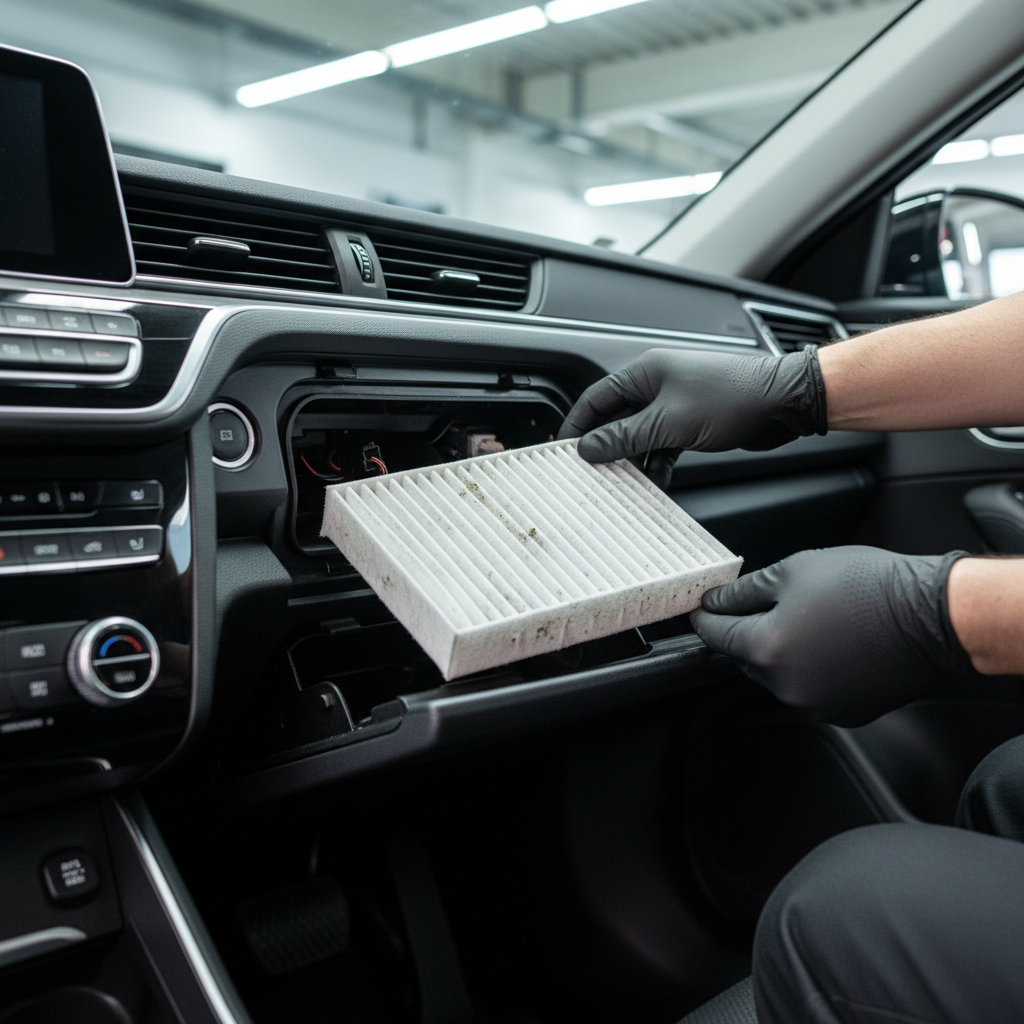
- Check cabin air filter: if it’s dark, warped, or packed, replace it before chasing electronics.
- Sniff for hot plastic smell: a melted resistor connector is common, especially when only certain speeds work.
- Check the fuse: your owner’s manual lists HVAC/blower fuses. If it blows again immediately, stop and inspect for shorts.
According to NHTSA, keeping windows clear is a basic safety concern; if your defroster airflow is unreliable, it’s smart to treat this as a priority repair rather than a “later” project.
Most common causes (ranked by how often they show up)
In many vehicles, the “usual suspects” repeat. The right fix depends on how your car controls blower speeds: older systems often use a resistor pack, many newer systems use a solid-state control module.
- Blower motor resistor / resistor pack: creates multiple speeds by dropping voltage. When it fails, you often lose low and medium speeds.
- Blower motor: worn brushes or bearings can reduce speed, cause intermittent operation, or draw too much current.
- Fan speed switch or HVAC control head: worn contacts can cause certain speeds to drop out.
- Melted connector / wiring damage: high current plus heat makes connectors brittle; resistance rises, speeds become erratic.
- Relay or fuse issues: less glamorous, but a weak relay can be intermittent.
- Cabin air filter or debris: not electrical, but it changes airflow enough that people think “fan speeds are wrong.”
According to SAE International, increased electrical resistance at connectors can lead to heat buildup and voltage drop; in blower circuits that can translate into lower fan speeds or intermittent operation.
Best fixes by symptom (practical, not theoretical)
This is the part most people want: match the behavior to a likely repair, then verify before buying parts.
If the blower works only on high
- Likely fix: replace the blower motor resistor (or resistor module) and inspect the connector.
- Why: high speed often bypasses the resistor network, so it survives when lower speeds disappear.
- What to check first: look for heat damage at the resistor plug; if it’s melted, replace the pigtail/connector too.
If one or two middle speeds are missing
- Likely fix: resistor pack or switch, sometimes both depending on design.
- Reality check: if the knob feels loose or “scratchy” and speeds cut in/out when you wiggle it, the switch/control head becomes more likely.
If the fan speed changes by itself
- Likely fix: on automatic climate control, suspect the blower control module, HVAC control head, or a feedback/sensor input.
- Try this: turn off AUTO mode and set a manual speed; if stability returns, the issue may be control logic or sensor behavior rather than the motor.
If all speeds are weak (but still selectable)
- Likely fix: cabin air filter, debris in blower cage, or a blower motor that’s tired and slow under load.
- Quick win: replace the cabin filter and check for leaves/pine needles near the blower intake.
A simple repair plan: DIY-friendly steps (with sensible boundaries)
If you want a best car heater fan speed fix that doesn’t turn into a weekend, do it in this order. It’s not about being “perfect,” it’s about avoiding rework.
1) Start with airflow basics
- Replace the cabin air filter if you can’t confirm it was done recently.
- Check vents for obstructions and confirm mode doors are switching.
2) Check fuses and relays
- Use the fuse map in the owner’s manual; verify blower/HVAC fuses.
- If a fuse is blown, replace once. If it blows again, stop and look for a short or a motor drawing too much current.
3) Inspect the resistor/module and connector
- Common access: behind glove box or passenger kick panel near the blower housing.
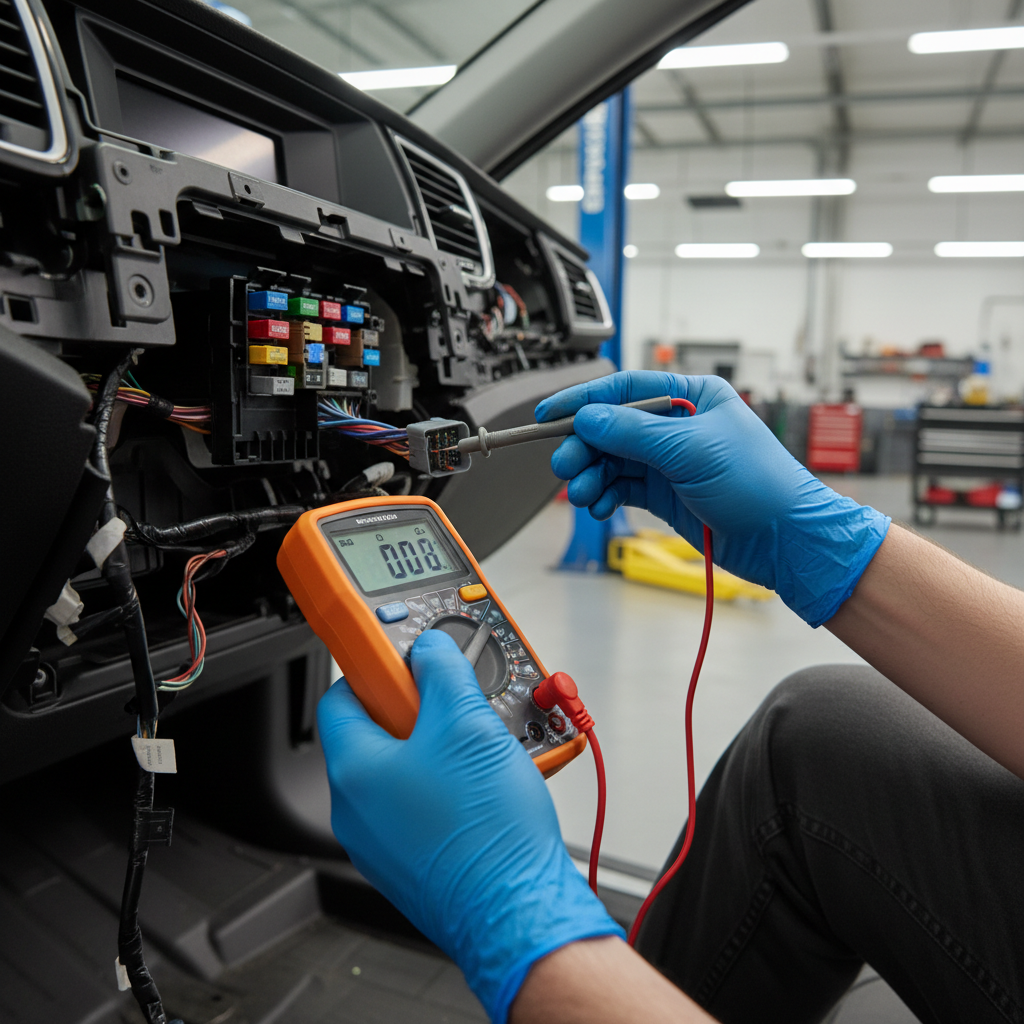
- Look for browned plastic, melted pins, or loose terminals.
- If you replace the resistor, replace a damaged connector at the same time, otherwise the new part can fail early.
4) Evaluate the blower motor (especially if it’s noisy)
- If the motor squeals, rattles, or starts only after a tap, it’s usually on borrowed time.
- When replacing the motor, clean out leaves and debris so the new fan doesn’t get imbalanced.
According to AAA, preventative checks and basic maintenance can reduce the chance of roadside trouble; while a blower issue might not strand you, it can create visibility problems in cold, wet conditions.
Troubleshooting table: symptom → likely cause → what to do next
If you like a fast “decision tree,” this table gets you close without pretending every model behaves the same.
| What you notice | Most likely cause | What to check next |
|---|---|---|
| Only high speed works | Resistor pack/module | Inspect resistor connector for heat damage, replace resistor and pigtail if needed |
| Some speeds work, others dead | Resistor or switch | Wiggle-test switch, inspect connector pins, verify ground |
| No fan at any speed | Fuse/relay, motor, wiring, control head | Check fuse first, then relay, then power/ground at motor if you can test safely |
| Fan intermittent over bumps | Loose connector or failing motor brushes | Reseat connectors, look for corrosion, consider motor replacement if tapping changes behavior |
| Airflow weak at all speeds | Cabin filter, debris, worn motor | Replace filter, inspect blower cage, confirm ducts aren’t blocked |
| Surging fan speed in AUTO | Control module or sensor/control input | Test in manual mode, scan for HVAC codes if your vehicle supports it |
Common mistakes that waste time (or make the problem worse)
Most heater fan speed fixes go sideways for predictable reasons, usually because people chase the wrong part, or ignore a cooked connector.
- Replacing the resistor but ignoring a melted plug: the new resistor can overheat again because the connection stays high-resistance.
- Assuming “no heat” equals “fan issue”: sometimes the blower works fine, but the engine never warms up due to a thermostat issue, different diagnosis entirely.
- Skipping the cabin filter check: it’s cheap, quick, and it changes everything when it’s clogged.
- Using oversize fuses: if a fuse keeps blowing, upsizing it can damage wiring and increase fire risk.
- Forcing brittle trim panels: cold plastic cracks easily; warm the cabin a bit before pulling panels.
If you’re unsure about electrical testing, it’s reasonable to stop at visual inspection and hand off to a shop. The time you save can outweigh the DIY pride.
When it’s smarter to get professional help
Some situations are still fixable at home, but the risk and effort jump fast.
- Repeated fuse blowing: suggests a short or a motor drawing excessive current, diagnosis may require circuit testing.
- Burning smell, smoke, or hot wiring: stop using the blower and get it inspected.
- Automatic climate control with erratic behavior: may require scan tool access to HVAC codes and live data.
- Airbag-adjacent work areas: some blower or control components sit near SRS wiring; if you don’t know the safe procedures, a technician is the safer choice.
According to NHTSA, following manufacturer repair procedures matters for safety systems; if your service manual warns about SRS components in the area, consider professional service.
Key takeaways and next actions
If you want a reliable best car heater fan speed fix, don’t start by shopping parts, start by matching the symptom to the circuit design, then confirm the easy stuff like the cabin filter and heat-damaged connectors.
- Only high speed often points to the resistor/module plus connector inspection.
- Weak airflow everywhere often starts with a cabin filter and debris check.
- Intermittent or noisy often nudges you toward a blower motor replacement.
Pick one next step: check the cabin filter today, then plan the resistor/module inspection when you have light and time. If the fuse blows again or you smell hot plastic, pause and call a pro.